
How to Make Low-Calorie Salad Dressings at Home
Creating low-calorie salad dressings at home is not only easy but also allows you to control ingredients and flavors. Many store-bought dressings contain chemical preservatives, excessive sugar, and unhealthy fats that counteract the benefits of a healthy salad. You can enjoy delightful flavors using simple ingredients from your kitchen. Combining ingredients like yogurt, vinegar, herbs, and spices can create tasty dressings without added calories. To kick off, gather your ingredients: Greek yogurt, fresh herbs, lemon juice, and spices. These options can significantly cut calories while adding flavor. Let’s explore various types of dressings, their unique flavors, and how to master making them. You’ll also learn how to store these dressings for extended use. The versatility of homemade dressings means you can adapt them to suit any salad or dish. Experiment with different herbs and spices until you find your perfect combination. Remember, portion control is important, so measure your dressings and ingredients carefully. Homemade dressings can be an excellent addition to wraps, grilled vegetables, or as dips. Get ready to elevate your salads with these nutritious dressings that fit within your healthy eating plan.
One classic low-calorie dressing is vinaigrette, which can be easily customized. A classic vinaigrette typically uses 3 parts oil to 1 part vinegar. To make it low-calorie, start by reducing the oil, using only one tablespoon. You can use flavorful vinegars like balsamic, red wine, or apple cider. Whisk together the vinegar with finely minced garlic, herbs like basil or oregano, salt, and pepper. Add a splash of mustard for additional flavor and emulsification. Consider adding a teaspoon of honey for sweetness without much calorie gain. If you prefer a creamy vinaigrette, consider using Greek yogurt. Blend it with vinegar, garlic, and seasonings for flavor, providing a thick consistency without adding too many calories. Store your vinaigrette in a mason jar for easy pouring. Just remember to shake it well before using. This dressing pairs flavorful greens beautifully, enhancing your salad options substantially. Experiment with different herbs to keep your flavors fresh and exciting. A dash of lemon juice adds brightness, enhancing contrast. Overall, vinaigrettes can be made in various ways to suit your preferences and become a staple dressing in your kitchen repertoire.
Yogurt-Based Dressings
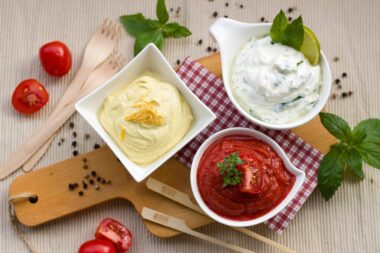
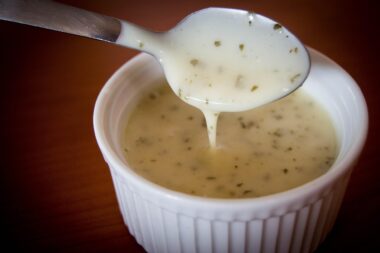
Yogurt-based dressings provide creamy textures, allowing you to indulge without guilt. Greek yogurt serves as an excellent base for various flavors. To make a simple yogurt dressing, combine plain Greek yogurt, lemon juice, and a pinch of salt and pepper in a bowl. You can add fresh herbs such as dill, parsley, or chives for extra flavor. These herbs not only elevate the taste but also add a burst of freshness to your dishes. This dressing can be used as a dip for vegetables or a topping on salads, giving a delightful taste without high calories. For a spicy twist, mix diced jalapeños or a spoonful of your favorite hot sauce into the yogurt mix. This versatility allows for endless possibilities in your healthy meals. Ensure to store leftovers covered in the fridge, and consume within one week for optimal freshness. Additionally, consider blending well for a smoother consistency if desired. With this yogurt-based dressing, you can enjoy crusty breads or drizzle it over grilled meats while maintaining a balanced diet. You can enjoy all the creamy flavor while staying within your calorie goals.
Another fantastic option is a citrus-based dressing, ideal for brightening up salads. Citrus fruits like oranges, lemons, or limes contain natural sweetness and acidity, perfect for vibrant dressings. To create a basic orange dressing, juice an orange, then mix it with a tablespoon of balsamic vinegar and a teaspoon of honey. Adding minced garlic and diced shallots adds depth and flavor for a gourmet touch. For variation, think about orange zest, which intensifies the citrus notes. This dressing complements mixed greens, berries, and nuts perfectly, creating a refreshing salad experience. It’s crucial to balance the sweetness, so adjust your honey according to your citrus choice. You can also swap orange for grapefruit for a different twist. Additionally, combining citrus salad dressings with grilled chicken or fish enhances the dish beautifully. Storing this dressing will be easy, as the citrus notes will still taste fresh even after a few days. This method helps highlight seasonal ingredients, ensuring your salad always feels like a treat. With minimal ingredients, you craft an impressive dressing that enlivens everyday meals.
Alternative Ingredients for Healthy Dressings
When exploring homemade dressings, considering alternative ingredients can simplify your health goals. Instead of traditional oils, consider using avocado as a creamy base. Avocado is nutrient-dense and provides healthy fats. To create a unique dressing, simply blend avocados with lime juice, cilantro, and seasoning of choice. This creates a smooth, creamy dressing ideal for summer salads and tacos alike. You essentially replace oil with a whole food packed with fiber and vitamins. Additionally, consider adding apple cider vinegar into the mix for a tangy flavor. This amalgamation allows for endless possibilities to customize flavor profiles based on preference. If avoiding fats altogether, fruit purées like mango or pear can also serve as a base, lending sweetness and flavor without adding calories. These purées can be mixed with vinegar and seasonings, creating exciting flavor combinations that enhance salad enjoyment. Remember to use less salt when adding naturally sweet elements to keep a healthy balance. These alternatives not only taste great but also add unique nutrients to your meals, reinventing the way you enjoy salads and allowing you to maintain a nutritious diet.
Making your low-calorie dressings can lead to exciting meal opportunities. You can use them as dipping sauces for fresh veggies or drizzle them over baked fish. Discovering new ways to incorporate dressings into your meals enhances the overall dining experience. Using fresh ingredients also makes a significant impact, so choose herbs and vegetables accordingly for maximum flavor. A little goes a long way; try to use minimal quantities for impactful results on salads and dishes. Note that the quality of the ingredients significantly affects the flavor, so it’s vital to select quality components. As you refine your skills, test out combinations on friends and family to gauge their reactions. Adjust sweetness and acidity until you build your dream dressing recipe. You’ll soon become an expert at crafting flavorful dressings. As a bonus, consider pairing different dressings with specific types of dishes, such as cooling yogurt dressings with spicy foods. Variations can keep meals fresh and exciting, so don’t be afraid to experiment based on what flavors you enjoy most. Make these low-calorie dressings not just nutritious, but memorable additions to your everyday meals. Enjoy your homemade dressing adventures!
Conclusion
In conclusion, creating low-calorie salad dressings at home is a rewarding experience that enhances your healthy eating habits. With numerous options at your disposal, you can easily develop your unique flavors tailored to suit your palate. Embrace the versatility of homemade dressings to bring excitement back into your salads, allowing them to remain vibrant and delicious. Additionally, remember to explore various ingredient choices while experimenting. The nutritional benefits elevate your diet while letting you enjoy flavorful options instead of tasteless alternatives. Getting creative with herbs, fruits, and base ingredients keeps your meals appealing without all the extra calories that often come with commercial dressings. Investing time exploring the variety of dressing styles keeps your meals interesting day by day. Remember that you can also switch ingredients based on seasons or availability, ensuring freshness and maximizing flavors. Enjoy the process of discovering new tastes, as it keeps healthy eating enjoyable and easy to maintain long-term. You’re setting a solid foundation for nutrition and flavor in your lifestyle. So, get into those kitchens, and start whipping up fresh, low-calorie dressings for all your delicious salads and meals!
In addition to boosting your salads, consider using these low-calorie dressings to dress cold pasta dishes, grain salads, or even as sauces for cooked proteins. Versatile dressings enhance your lunchtime or dinner menus, offering variety and cutting down calories. Apply some dressing over grilled vegetables for easy side dishes or toss into a stir-fry for flavor punch. With simple modifications, a dressing could be transformed for various applications, making your meals fun and exciting. Whenever possible, aim to prepare larger batches of your favorite dressings and store them in the refrigerator. They can be stored for several days, ready when you need a quick meal prep solution. Furthermore, homemade dressings are not only healthier; they’re more cost-effective than pre-packaged products in stores. Embracing healthy cooking empowers you to take charge of your meals. Sharing your dressing creations may inspire others around you to explore homemade healthy options, and you may find some new cooking partners along the way. Keep experimenting as you find what works best for you. Enjoy the journey of rich flavors and nutritional satisfaction through homemade dressings.