
Strengthening the Pelvic Floor with Postpartum Yoga
After childbirth, many new mothers experience various physical challenges, including weakened pelvic floor muscles. Engaging in postpartum yoga can serve as an effective method to regain strength and stability. The pelvic floor, comprising muscles that support the bladder, uterus, and rectum, is crucial for overall health. Many women disregard this area post-delivery, unaware of the profound impact it has on mobility and core stability. By incorporating specific yoga poses, such as the Bridge and Cat-Cow, women can activate and strengthen these essential muscles. These exercises not only encourage pelvic health but also enhance blood circulation. Moreover, practicing yoga can alleviate some common postpartum discomforts, such as lower back pain and urinary incontinence. It’s important, however, for new mothers to consult healthcare providers before beginning any fitness routine. They should ensure readiness for physical activity. This includes being cleared for exercises that target the pelvic region. Creating a routine that includes relaxation techniques alongside strength-building poses can significantly improve overall well-being in the postpartum phase, fostering both physical and mental recovery during a critical phase of motherhood.
Understanding the basics of postpartum yoga can be incredibly empowering for new mothers. Yoga helps focus on slow, deliberate movements that not only strengthen the pelvic floor but also contribute to rejuvenating the body after childbirth. Simple poses can be adapted to accommodate varying fitness levels; thus, yoga becomes accessible to everyone. Techniques like deep abdominal breathing and mindful stretching can balance the physical and emotional aspects of postnatal recovery. It is essential to create a safe environment while practicing to avoid any strain or injuries. Integration of props such as blocks or cushions can provide additional support. Furthermore, practicing yoga in a supportive community can help mothers combat isolation common after childbirth. Online platforms and local classes can provide an avenue for shared experiences and motivation. Joining a yoga class designed for postpartum women can facilitate social connections and bolster accountability. Maintaining consistency in practice strengthens resolve and enhances outcomes. Ultimately, postpartum yoga is not merely about physical activity; it serves as a holistic approach toward nurturing self-care and enhancing overall mental health during the transformative phase of motherhood.
The Importance of Pelvic Floor Health
Pelvic floor health is crucial for a woman’s overall well-being. Many new mothers may underestimate its significance, leading to common issues like incontinence or pelvic pain. By focusing on pelvic floor exercises within postpartum yoga, women can work towards rebuilding their pelvic muscles after childbirth. Specific techniques, such as Kegel exercises, can further assist in strengthening this area. Incorporating these exercises into yoga sessions can promote awareness and mindfulness of one’s body. Awareness can lead to relevant adjustments and gradual improvements over time. It’s important for mothers to recognize that the body goes through substantial changes postpartum, and these need to be supported with appropriate care. Using yoga’s restorative aspects can aid in recovery, helping to mitigate the stresses of new motherhood. New mothers often feel overwhelmed; thus, dedicating time to nurture oneself can have profound effects. The right yoga moves can not only strengthen the pelvic floor muscles but also lead to improved posture and core strength. Emphasizing breathing techniques during these yoga sessions can promote relaxation, helping mothers connect with their bodies while facilitating healing and recovery.
The practice of postpartum yoga can also enhance general well-being beyond just physical strength. Mental health is a pertinent aspect that many moms need to address during postpartum recovery. Mothers often experience stress, anxiety, and mood swings due to hormonal changes and the realities of childcare. Engaging in yoga brings mindfulness and promotes relaxation, allowing mothers to process their emotions effectively. Joining group classes enables bonding with other mothers facing similar challenges. This social interaction can significantly reduce feelings of isolation. Making time for yoga encourages self-compassion and refocuses energy towards personal self-care. Additionally, establishing a routine can offer structure in an otherwise hectic life. Scheduled sessions become dedicated periods of relaxation amidst caring for a newborn. Having that space helps clear the mind while encouraging physical fitness. Practicing yoga poses such as Downward Dog and Child’s Pose can relieve tension and fatigue. Therefore, it becomes essential for new mothers to prioritize their mental health alongside physicality during the postpartum timeline. Self-care through yoga cultivates a positive mindset, fostering resilience throughout motherhood and beyond.
Recommended Yoga Poses for Postpartum Recovery
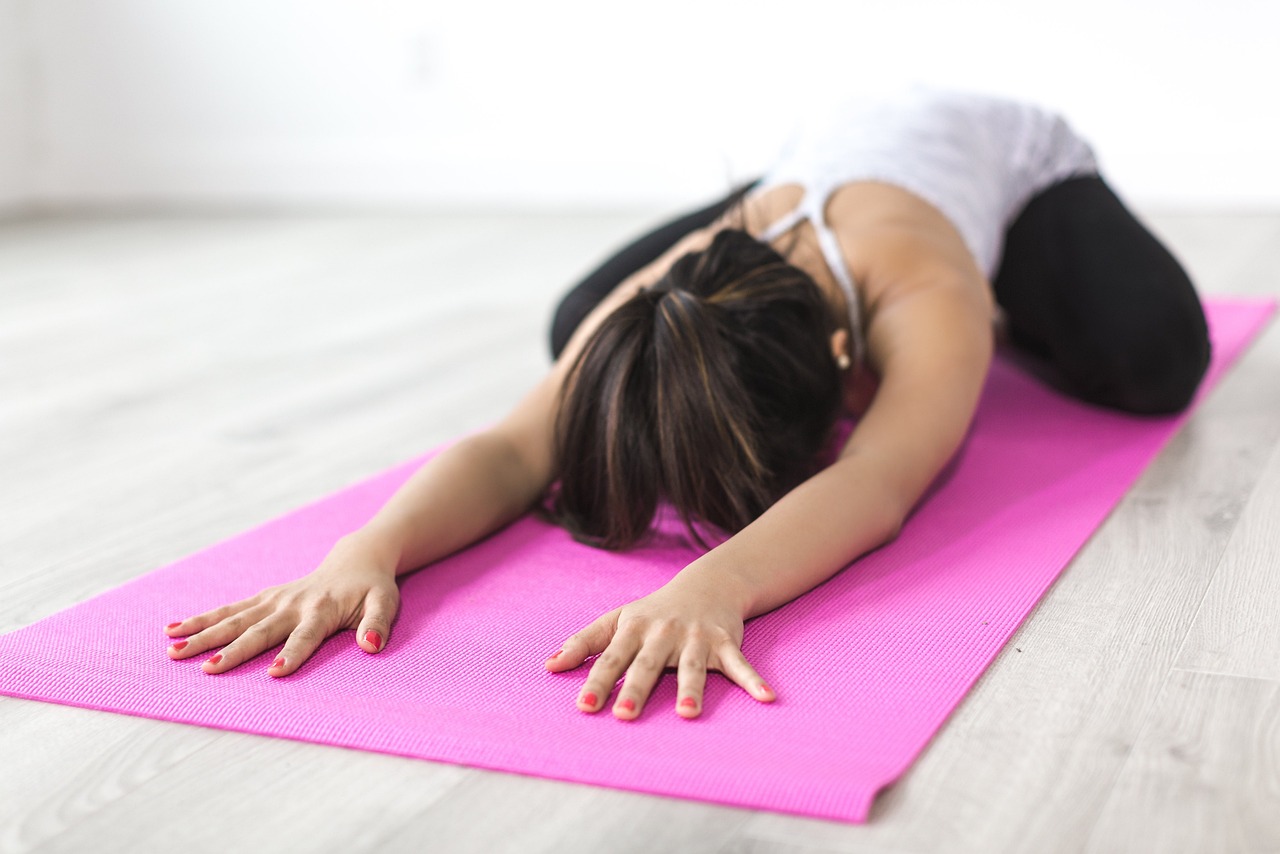
Several yoga poses can be especially beneficial for postpartum recovery, focusing primarily on the pelvic floor. They help strengthen abdominal muscles that support the lower back while enhancing flexibility and relaxation. Poses such as the Mountain Pose and Warrior II are fantastic for building strength and focus. The Child’s Pose is excellent for relaxation, offering a gentle stretch that releases tension in the lower back and hips. Additionally, the Bridge Pose effectively activates the pelvic floor muscles while stretching the spine. It is also beneficial in elevating the mood, helping mothers feel connected to their bodies. Performing these poses regularly can lead to enhanced strength and endurance over time. Alternatively, focusing on restorative poses allows mothers to engage with their body and emotions more gently. Always listen to the body’s response and adjust poses accordingly. Engaging with a knowledgeable instructor can help mothers learn proper techniques while avoiding injury. New mothers should fully embrace this essential practice to facilitate their journey toward recovery. Finding routines that work for them can dramatically enhance their confidence and performance during this transitional stage.
It’s essential for postpartum yoga practitioners to approach their sessions with patience and compassion. Every woman’s body undergoes changes, and recovery times may vary widely between individuals. Setting realistic goals is critical for preventing frustration. Gradually increasing the intensity of the workouts can yield significant progress without risking injury. Listening carefully to the body’s signals can enhance this experience, making recovery feel manageable. Incorporating deep breathing techniques aids in relaxation and can help reduce stress levels during the yoga practice. The deep connection between breath and movement is fundamental in yoga, helping mothers regain control over their physical and emotional states post-baby. Building a supportive yoga community or partnering with fellow mothers can further enrich this journey by providing essential encouragement. Celebrating even small achievements can foster motivation, creating a positive environment for growth. Additionally, maintaining a journal can help track progress while documenting experiences and thoughts throughout the postpartum period. Regular practice ensures that women stay active and engaged with both their mental and physical health. Emphasizing self-care through yoga ultimately empowers mothers to reclaim their strength, restoring their vitality through this rewarding practice.
Conclusion: Embracing Postpartum Wellness with Yoga
In conclusion, postpartum yoga serves as a vital tool for enhancing pelvic floor strength, overall fitness, and mental health during the recovery phase of motherhood. By focusing on specific poses designed to activate and strengthen critical muscle groups, mothers can significantly improve their physical well-being. The connection created through yoga not only helps restore balance to the body but also nurtures the mind, providing mental clarity and focus amid the chaos of new parenthood. Moreover, fostering relationships with other mothers can boost social support networks, bridging the feeling of isolation. Embracing this holistic approach can lead to a healthier and more fulfilling postpartum experience. Prioritizing yoga practice encourages self-care, allowing mothers to navigate their postpartum journey with resilience and grace. Establish a routine that feels supportive and enjoyable. Whether through classes or online resources, the key is to engage with this practice meaningfully. New mothers should be encouraged to explore the world of postpartum yoga as a path to self-discovery and recovery. Ultimately, it paves the way for enduring strength and wellness throughout the diverse experiences of motherhood.
Visualizing the journey of postpartum recovery through yoga can be uplifting. It’s important that new mothers realize it’s a gradual process, one laden with beautiful transformations. Adopting a mindset that prioritizes patience and understanding leads to enhanced well-being. Each yoga session becomes an opportunity to reconnect with oneself, celebrating the body’s abilities and the milestones achieved. Finding joy in the process fosters a positive outlook for the future of motherhood. Thus, postpartum yoga should be seen not only as a physical practice but as a lifestyle adjustment that embraces change and nurtures growth. By encouraging themselves to maintain these practices, women can cultivate resilience and grace that extends beyond the yoga mat. Consistently focusing on the pelvic floor and core will usher in benefits that ripple into everyday life and future pregnancies. As mothers build strength, they will walk the challenges of parenthood with newfound vigor. The key is to enjoy this wellness journey, integrating both physical activity and mindfulness. Through Pilates, breathwork, and yoga, the postpartum experience can become transformative and enriching. This ongoing process encourages holistic health, empowering mothers to embrace their roles with spirit and tenacity.