
Core Stability Exercises to Enhance Power Output in Athletes
Core stability is crucial for athletes looking to enhance their performance. The core muscles play a pivotal role in maintaining balance, improving posture, and generating power during athletic activities. These exercises promote better alignment and stability, effectively transferring energy from the lower body to the upper body while minimizing the risk of injury. With a focus on strengthening core stability, athletes can ensure they possess the necessary foundation for explosive movements, enabling them to achieve enhanced power output. Incorporating regular core stability exercises into one’s training regimen not only boosts athletic performance but also protects against common injuries that may arise due to lack of core strength. Common exercises include planks, dead bugs, and bridges, each emphasizing different core muscle groups. As the core stabilizes, it becomes easier to perform sports-specific movements with efficiency and precision. Therefore, athletes should prioritize these exercises to take their training to the next level, integrating them seamlessly into their routines for optimal results. Understanding the significance of a strong core can result in lasting improvements in both strength and agility, essential attributes for any high-performing athlete.
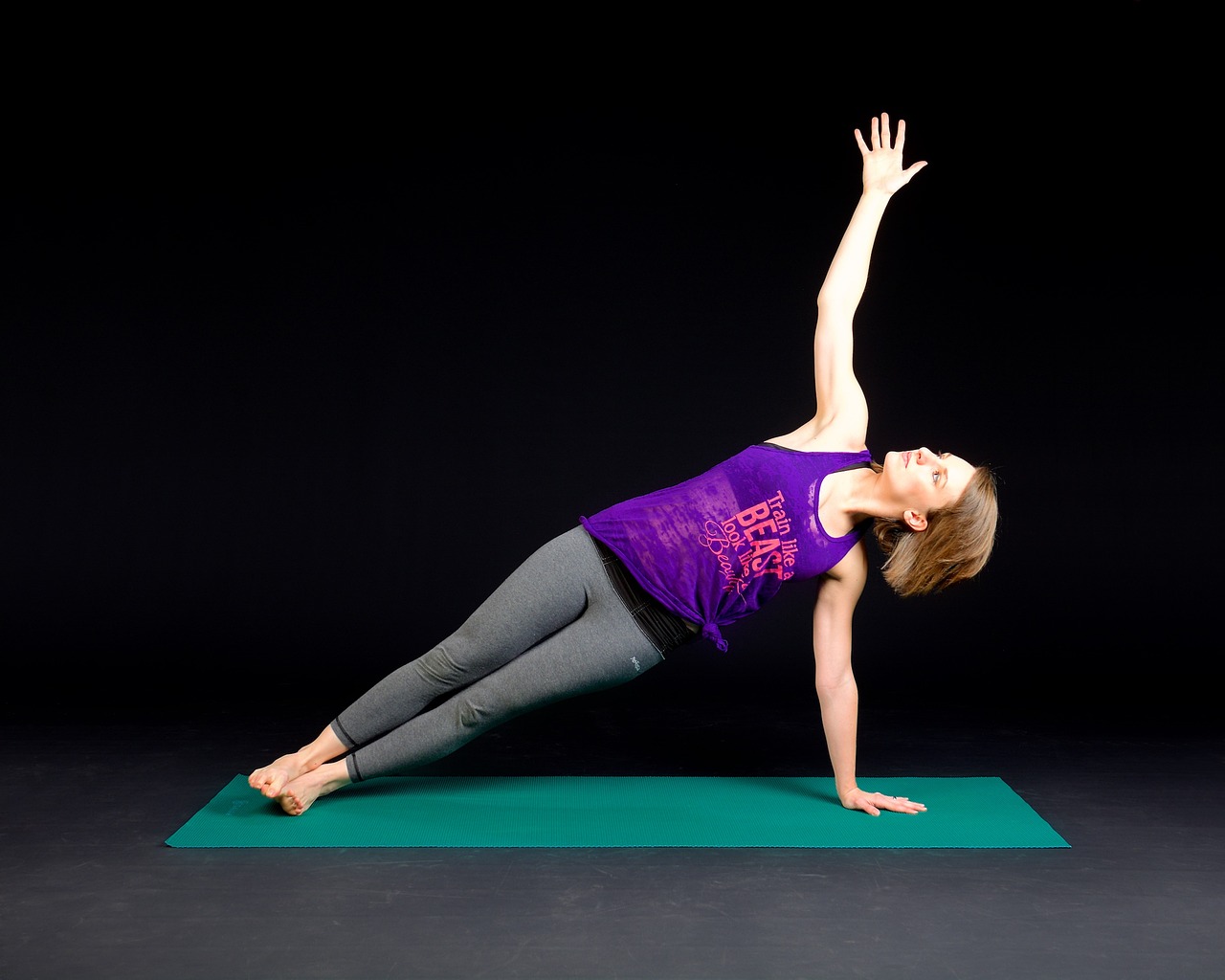
Among the various core stability exercises, the plank stands out as a fundamental move for athletes. The plank effectively engages the entire core, including the rectus abdominis, obliques, and transversus abdominis. By maintaining a straight line from shoulders to heels, practitioners not only challenge their stability but also enhance their endurance in the process. To perform a proper plank, one should position themselves face down, propped on forearms and toes, ensuring alignment throughout the body. Additionally, athletes can increase the difficulty with side planks and dynamic variations to target different muscle groups further. A strong plank holds benefits for athletes as it reinforces the body’s stability during various performance scenarios. With regular practice, athletes can witness improvements in their overall power output and athletic performance. It’s recommended that athletes incorporate plank variations at least two to three times a week, ensuring adequate core strengthening and stability development. This focus contributes significantly to a more resilient and powerful body tailor-made for their sport. Adopting this exercise into the routine can lead to better outcomes in training and competition alike, making it a staple in core training programs.
Another effective core stability exercise for athletes is the dead bug. This move engages the core in a way that promotes excellent coordination between the upper and lower body. To perform the dead bug, an athlete should lie on their back with arms extended toward the ceiling and knees bent at a ninety-degree angle. The movement involves lowering one arm and the opposite leg simultaneously, which challenges coordination and stability. It’s essential to maintain a neutral spine throughout the exercise to avoid unnecessary strain, highlighting the importance of controlled movements. The dead bug exercise teaches athletes to stabilize their cores while executing dynamic movements, which can translate directly to improved performance in their respective sports. Regular practice of the dead bug enhances not only core strength but also improves overall body awareness, leading to better athletic execution and efficiency. Including this exercise in core training is beneficial for athletes at any level as it effectively builds strength while reinforcing stability. As athletes continue to advance in their training, the dead bug can be modified with added resistance for progressive overload, pushing limits further while enhancing power output in their movements.
Incorporating Core Exercises into Training
The bridge exercise is another essential movement that targets core stability and lower body strength. This exercise engages the glutes, back, and core concurrently, making it an excellent choice for athletes who seek comprehensive strengthening. To perform the bridge, lie on your back with knees bent, feet flat on the floor, and lift your hips toward the ceiling, creating a straight line from shoulders to knees. This position highlights the importance of maintaining core engagement while performing a lower body movement, solidifying the connection between strength and stability. Bridges can be performed in various progressions, such as single-leg bridges which further challenge core strength and stability. Athletes should aim to incorporate bridges into their routine at least twice a week to bolster core stability and enhance power output in their performance. The benefits of a strong glute and core connection cannot be overstated, as they play an integral role in athletic function. As athletes strengthen their bridges, they may notice improved performance, especially in activities that demand explosive movements. Ultimately, bridges serve as a potent tool for any athlete looking to enhance their core performance.
Rotational exercises are crucial for athletes, given the demands of many sports that require core stability combined with powerful twisting motions. The Russian twist is an excellent option, targeting both the obliques and the overall core. To perform this exercise, sit on the floor with knees bent and lean back slightly while holding a weight or medicine ball. Rotate your torso side to side, engaging the core throughout the motion. This engaging exercise teaches athletes how to generate power from the core when turning or twisting during athletic performance. Regular practice of the Russian twist not only enhances strength but also improves coordination, vital for executing sport-specific skills efficiently. It’s advisable to start with bodyweight and progress to additional weight as strength improves. Incorporating Russian twists at least once a week will contribute to better rotational strength and overall athleticism. Given the interplay between core power and performance, emphasizing rotational exercises in core routines can drastically improve an athlete’s efficiency on the field or court. Therefore, athletes stand to gain significantly by integrating rotational movements into their training regimen.
To further enhance core strength, athletes can also benefit from implementing stability ball exercises. These unique movements require balance and core engagement to stabilize the body throughout the exercise. For instance, a stability ball rollout is an effective way to work the core while incorporating assistance from the legs. Kneel on the floor with a stability ball, slowly rolling the ball forward while keeping core tension until arms are fully extended, then return. This creates a challenge for the core, as it requires engagement to control both directions of movement. Stability ball exercises not only strengthen the core but also improve overall athletic coordination and agility, which are necessary for various sports. To ensure optimal results, it is recommended that athletes include stability ball workouts two to three times weekly. Furthermore, as strength increases, the athlete can experiment with more complex exercises using the stability ball, ensuring continued development. The versatility of stability ball work aids in creating effective training sessions that can seamlessly integrate into any athlete’s routine, yielding significant dividends in performance enhancement over time.
Conclusion: Importance of a Strong Core
In conclusion, core stability exercises are indispensable for athletes who strive to enhance their power output and overall performance. The importance of a stable core cannot be overlooked, given its role in executing sports-specific movements effectively and prevent injuries. Athletes must prioritize exercises like planks, dead bugs, bridges, Russian twists, and stability ball workouts to cultivate a strong and stable core. By consistently incorporating these exercises into their training routines, athletes will not only build strength but also enhance their coordination and agility. Additionally, they can gain a competitive edge in their respective sports, as power generated from a strong core translates directly to improved performance metrics. Therefore, it is essential to integrate core stability work as a foundational aspect of any training program. With dedication and commitment to these exercises, athletes can look forward to significant improvements in their overall power output, facilitating an upward trajectory in their performance levels. Ultimately, a strong core equips athletes with the necessary tools to perform at peak efficiency, allowing them to excel in their sports of choice and achieve their performance goals.
Lastly, tracking progress through a dedicated core stability routine is vital for gauging improvement. Athletes should consider using performance metrics and feedback to adjust their exercises for continued development. Setting specific, measurable goals related to core strength can keep athletes motivated and focused on their training outcomes. Over time, this commitment can lead to noticeable enhancements in both strength and performance. Collaboration with a coach or trainer can also provide valuable insights and techniques tailored to specific sports needs. Ultimately, the journey toward enhancing core stability should be viewed as a vital component of athletic training. By maintaining an unwavering focus on core strength, athletes set themselves up for success in their athletic pursuits. Establishing a strong core is more than just physical development—it’s a symbol of commitment to growth, resilience, and peak performance in competitive environments. Athletes must embrace this journey toward a stable core as fundamental to achieving their goals and excelling in their chosen sports.