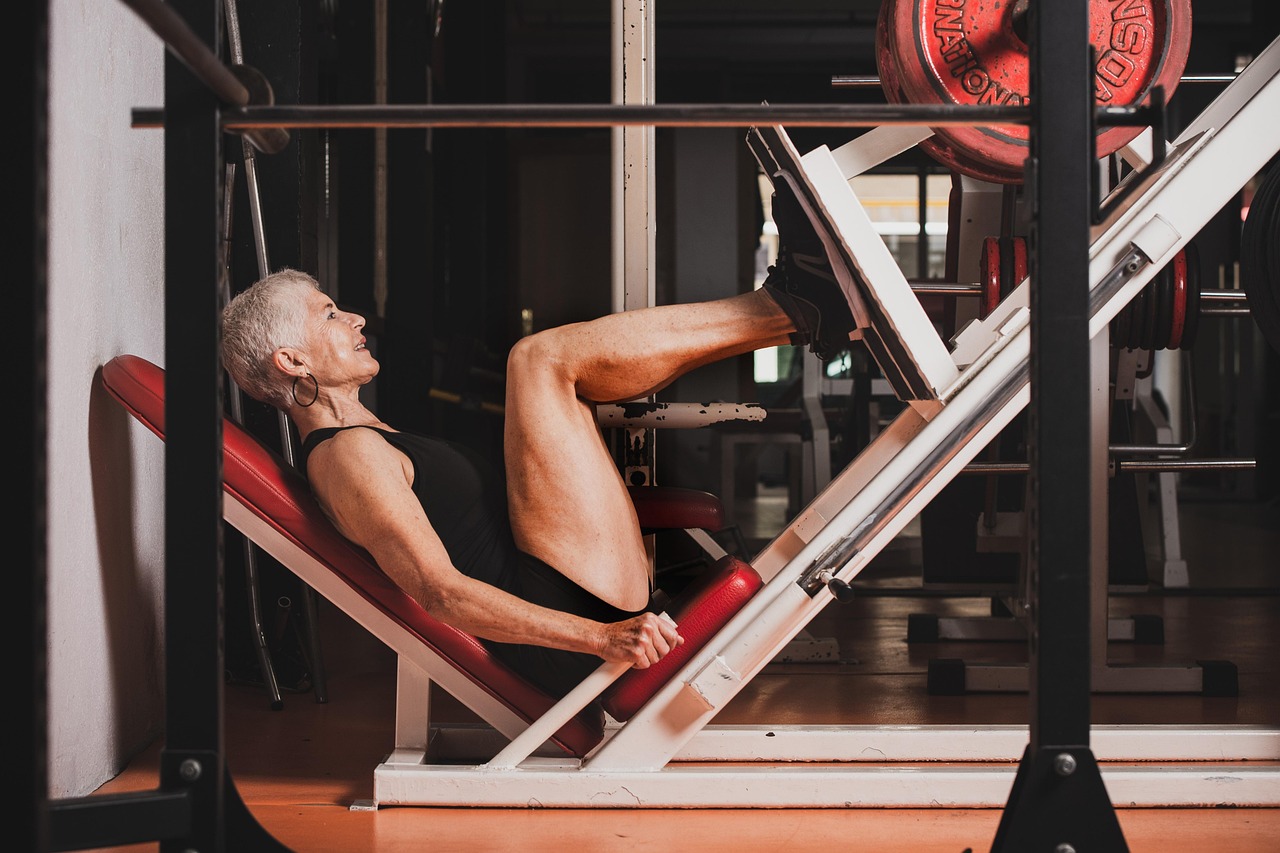

How to Incorporate Functional Fitness Equipment into Senior Workouts
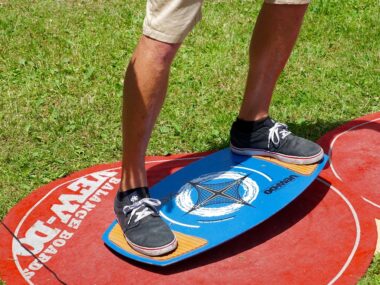
Functional fitness training has gained significance among seniors, promoting improved balance and coordination. Incorporating useful equipment can advance fitness levels while significantly reducing injury risks. This approach enables seniors to engage in movements used in daily life, improving both strength and endurance. Resistance bands are excellent for resistance training; they add an extra challenge without excessive stress on joints. This equipment is easily portable and adaptable to various exercises, making it a practical choice for home workouts. Additionally, incorporating weights into routines can help improve bone density, an important factor for seniors. Choose lighter weights, at least starting from one to five pounds, to ensure safety while building muscle strength. Stability balls also offer excellent benefits, enhancing core strength while balancing. Just ensure that the ball is fully inflated and appropriate for the user’s size to prevent accidents. Another option is a balance board which provides a fun yet effective way of enhancing stability. To optimize workouts, be sure to consult with a fitness expert for personalized guided practices suitable for individual health considerations.
Essential Equipment Suggestions
When selecting functional fitness equipment, consider multilevel mobility and customization to accommodate varying activity levels among seniors. Resistance bands, weights, stability balls, and balance boards may be incorporated selectively based on individual abilities. Stability training is crucial for seniors since it can prevent falls, a key concern in older populations. Bands allow easy stretching and can be anchored around stable objects to support various rehabilitation exercises. When utilizing weights, focus on lighter options to facilitate gradual strength building. Weighted vests can also promote endurance while offering the additional advantage of versatility in routine. These items can be worn during daily activities, enhancing cardiovascular fitness through increased workload. Workout mats provide cushioning on hard surfaces, offering comfort and safety during floor exercises. Encourage more movement through items like step platforms, which can enhance leg strength and overall cardiovascular conditioning. While incorporating these elements, remember that gradual progression is key. Allow ample time for adaptation to new routines, as excessive rapid changes can lead to discomfort. Finally, encourage incorporating fun elements into workouts, ultimately creating engaging and sustainable fitness habits for seniors.
Upcoming trends in senior fitness incorporate aspects of technology alongside functional equipment. Wearables can track vital signs, calorie burn, and distance walked in seniors, enhancing their connection to fitness. These devices promote motivation and offer immediate feedback on workouts, empowering individuals to stay committed to their fitness goals. Apps tailored for seniors are available, providing guidance, free workout plans, and video demonstrations of exercises. Technology enhances collaboration by enabling seniors to share their workouts with friends or family members. This social connection can remarkably encourage increased participation in physical activities. Furthermore, online training sessions with fitness experts are gaining popularity, allowing seniors to train in their comfort zones while seeking professional guidance. Access to virtual classes increases workout variety and encourages trying new fitness trends. Pairing technology with functional equipment can streamline exercises efficiently. Ensure technical tools are user-friendly, as simplicity helps enhance seniors’ confidence in utilizing contemporary fitness tools. Lastly, remember to promote consistency in fitness regimens to achieve desired long-term health benefits such as increased strength, balance, and overall health. This combination creates an accessible, enjoyable fitness pathway for seniors.
Safety First in Senior Fitness
Prioritizing safety within functional fitness is paramount, especially for seniors whose wellness can be more fragile. As seniors incorporate new equipment, they must listen to their bodies and identify personal limitations. Always start with a warm-up phase to ensure that muscles are ready for movement and current activities are performed at a suitable pace. It is advisable to opt for low-impact exercises that reduce strain on joints while increasing stability. Exercise in familiar surroundings can help boost confidence and minimize distractions. Additionally, it is crucial to have necessary support available during workouts, such as an instructor or family member. In specific instances, modifications to routines may be necessary; consulting with healthcare workers may provide valuable insights into limitations or modifications based on medical history. Always ensure that chosen equipment is the right size and form to prevent accidents during workouts. Regular maintenance of functional equipment contributes to preventing potential hazards. Lastly, always have a first aid kit handy and know emergency contacts, as being prepared can enhance confidence in workout sessions, emphasizing security and ensuring enjoyment during active fitness routines.
Incorporating social engagement during fitness routines enhances motivation and accountability. Joining classes specifically designed for seniors fosters community, creating opportunities for friendship and support. Research indicates that socially involved individuals experience better health outcomes, from improved mood to reduced feelings of loneliness. An encouraging environment presents positive experiences around fitness and increases adherence to exercise regimens over time. Pairing workouts with social interactions can ignite enjoyment, creating strong adherence to functional fitness practices. Classes can range from low-impact aerobics to balance training. Group workouts promote a sense of belonging, while diverse personalities enhance the experience. Moreover, communicating through technology allows seniors to collaborate digitally, sharing their activities and setting mutual fitness goals. Regularly scheduled group chats can encourage continued interest in workouts while discovering new activities built around functional fitness equipment. Furthermore, family involvement nurtures mutual well-being and makes physical activity a part of daily life. When individuals work together to establish exercise habits, accountability shifts from being a burden into a fun activity. Whether through classes or family involvement, adding social elements to fitness brings joy and motivation as well as promoting long-term adherence.
Setting Realistic Goals
Goal setting is critical when incorporating functional fitness equipment in senior workouts, as it focuses energy and motivation toward achievable outcomes. Creating short-term goals helps build confidence and set a sustainable path for longer-term aspirations. Each goal should align with individual interests, medical conditions, and fitness levels. Break larger objectives into manageable steps to enhance the likelihood of achieving significant milestones. For example, a goal might be to increase endurance through regular step-ups with a balance board. Longer-term aims might include participating in community fitness events or improving overall mobility, promoting intrinsic motivations for maintaining active lifestyles. Another important factor is tracking progress consistently, whether through fitness apps or simply keeping a workout journal. Documenting accomplishments fosters a sense of accomplishment while also assisting in identifying areas for improvement as well as adjustments needed to maintain momentum. Make sure to celebrate small victories, as they contribute to overall motivation. Lastly, adjust goals periodically, ensuring that they remain relevant to current health conditions and aspirations. Respect individual limits while pursuing fitness goals as the desire to improve and maintain health is essential throughout one’s senior years.
In conclusion, functional fitness equipment can significantly enhance senior workouts through improved performance in daily tasks, reduced injury risks, and increased independence. A carefully selected combination of tools encourages individuals to focus on abilities rather than limitations while fostering consistency in exercise regimens. Always prioritize safety recommendations and allow ample recovery time while staying aware of individual capabilities. Combining technology and social elements greatly promotes engagement and enjoyment, making fitness less of a chore and more of a fulfilling part of life. Setting realistic, attainable goals encourages individuals to strive for greater achievements comfortably, progressing toward enhanced physical health and overall well-being. Continuous evaluations help refine goals and keep seniors motivated to stay on track. Overall, integrating functional fitness equipment into senior workouts can revitalize interest in physical activities, enhancing their quality of life. Encourage discussions on the benefits of these practices among seniors and their families, as cultivating healthy habits requires communication, support, and shared experiences. Ultimately, fostering a community among seniors while introducing functional fitness can transform lives into healthier, happier, and more active stages of life, allowing them to embrace the present, one workout at a time.