
Mediterranean Diet Recipes Tailored for Intermittent Fasting
Intermittent fasting has gained immense popularity, particularly due to its health benefits and impact on weight management. A Mediterranean Diet, rich in fruits, vegetables, whole grains, and healthy fats, can pair beautifully with intermittent fasting. For a successful fasting schedule, it’s critical to plan meals carefully so they fit within your eating window. Opt for nutrient-dense foods that provide energy while keeping you satisfied. The versatility in Mediterranean recipes allows for numerous delicious options that resonate with the principles of intermittent fasting. Creating meals that are both fulfilling and tasty can transform your fasting experience. Consider the diverse array of ingredients that the Mediterranean diet offers and mix these with seasonal produce to keep your meals exciting. Emphasizing healthy fats from sources such as olive oil and nuts can not only enhance the flavor of your dishes but also support overall health. Experiment with various herbs and spices to elevate the taste profile of your recipes further. Keep your meals balanced by incorporating proteins, fibers, and complex carbohydrates, which are essential for a well-rounded fasting regimen.
When preparing meals suitable for intermittent fasting, breakfast can be a pivotal meal to start the day off strong. While following a Mediterranean diet, consider options like a savory shakshuka packed with tomatoes and bell peppers, topped with poached eggs for added protein. You can balance flavors by adding spices such as cumin and paprika—ideal for flavor without extra calories. Alternatively, a refreshing Greek yogurt bowl with sliced fruits, nuts, and a drizzle of honey can provide a quick, nutrient-rich breakfast. If you’re craving something hearty, try a Mediterranean breakfast wrap filled with whole grain, veggies, and a smear of hummus. Remember, creativity is vital in the kitchen; never hesitate to mix methodologies from different culinary backgrounds. If you’re pressed for time, meal-prepping will streamline your mornings. Opt for a design that allows for quick reheating or grab-and-go containers to accommodate your fasting lifestyle. As you try these recipes, take notes on what works best for your body and your taste. This practice can encourage consistent meal choices tailored to your specific fasting schedule.
Simple Lunch Ideas
Lunch is another opportunity to incorporate scrumptious Mediterranean recipes into your intermittent fasting regimen. Salads can be filling options—particularly those featuring ingredients like chickpeas, feta cheese, and assorted vegetables. Create a salad that meets your flavor preferences while providing sufficient protein and fiber to keep you full until dinner. Consider adding grilled chicken or quinoa for an extra protein kick. Wraps are also a fun way to experiment; use large lettuce leaves or whole-grain wraps to hold a delicious mix of turkey, roasted red peppers, olives, and a smear of tzatziki sauce. This variation will offer a unique spin on a classic sandwich without heavy carbs. For those who love comfort food, opt for Mediterranean-style bowls filled with grains like couscous, topped with seasonal roasted veggies and a sprinkle of feta. The beauty of these meals is their versatility—they can be prepared in bulk and stored for easier access during the week as you follow your intermittent fasting schedule. It’s about making your meals reflect nourishment that aligns with your fasting goals.
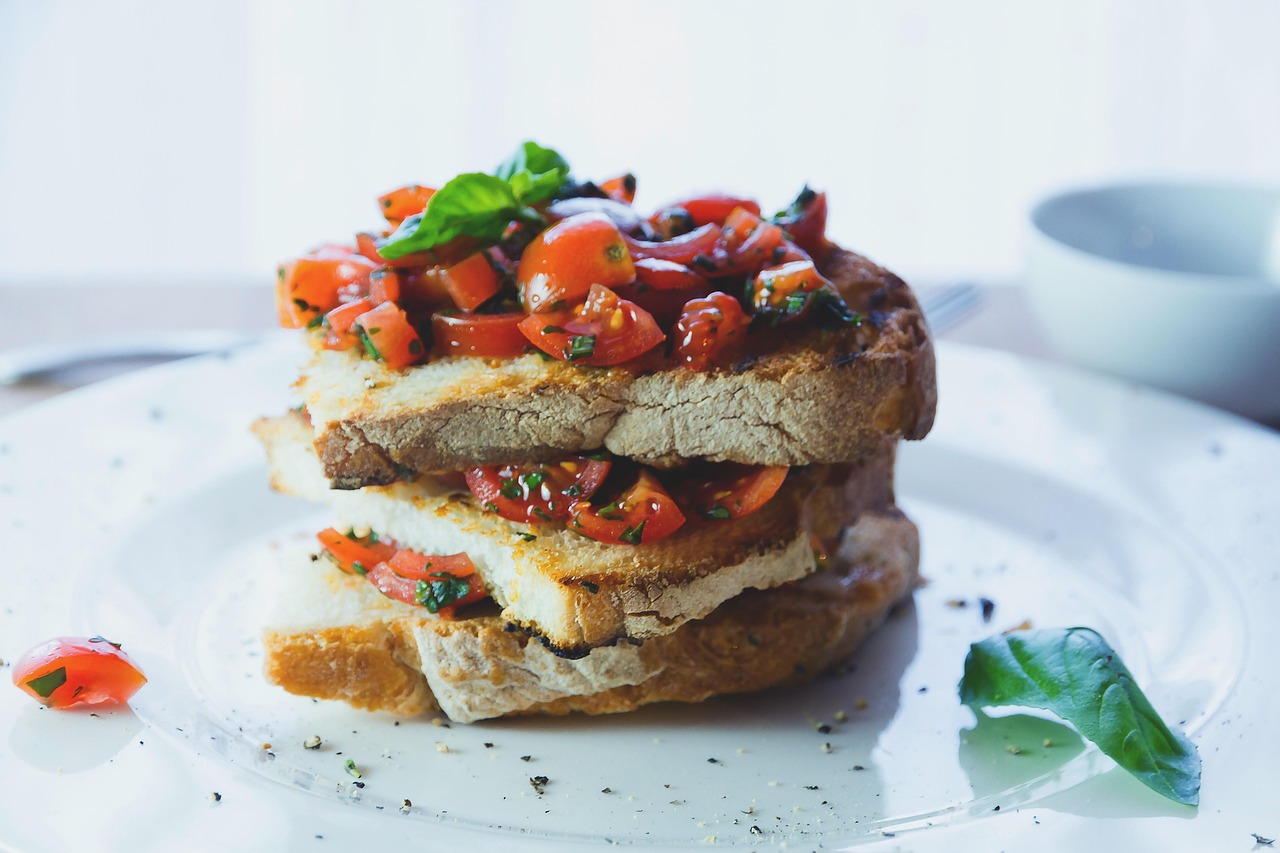
Dinners in a Mediterranean style are another chance to indulge in flavors while adhering to your intermittent fasting plan. Grilled fish marinated in lemon and herbs, served alongside roasted asparagus or Mediterranean couscous, can create a light yet satisfying meal option. Think about dishes that are easy to digest but still provide the right nutrients to fuel your next day. Lean proteins, such as chicken, can be prepared with different seasonings, allowing for a versatility that can prevent boredom. You could try vibrant, veggie-infused pastas, like whole grain spaghetti with zucchini and cherry tomatoes, drizzled with a quality olive oil dressing. Meat or veggie kebabs can also make for a fun meal, perfectly paired with a side of tabbouleh or a simple green salad. If you’d like to keep meals low-calorie, consider hearty soups packed with beans and seasonal veggies that satisfy hunger without weighing you down. As dinner is often the last meal of your fasting schedule, focus on substantial but healthy options that offer both fullness and enjoyment.
Snack and Dessert Alternatives
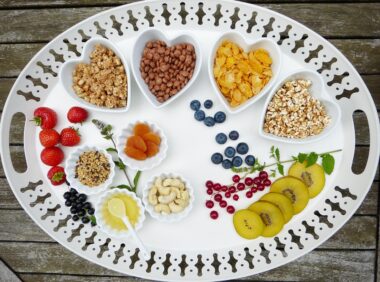
Snacking can be tricky during intermittent fasting; however, Mediterranean snacks such as olives, nuts, and fresh fruits can act as beneficial additions to your diet. Olives are not only packed with flavor but also contain healthy fats that promote satiety. Choose a variety of nuts that allow for various flavors and textures; almonds, walnuts, or pistachios are all good options. For a sweet snack, consider Greek yogurt topped with a sprinkle of cinnamon or a handful of berries. This provides a protein boost while satisfying your sweet tooth. Additionally, if you want to indulge, create tiny portions of dark chocolate-covered nuts or fruits to balance health with occasional treats. Prepared hummus paired with cut veggies can also serve as an ideal snack. Keeping your snacking low in carbohydrates can help maintain your energy levels during the fasting period. As you experiment with different healthy snacks, track how they impact your fasting experience. Adjusting portion sizes and meal timing can enhance your enjoyment while aligning with the goals of intermittent fasting.
Desserts might feel out of place while following a fast; however, incorporating Mediterranean-inspired sweets can elevate your day. Natural options such as fresh fruit salad drizzled with a bit of honey can be a delightful conclusion to a meal. Alternatively, a slice of whole grain baklava can provide a sweet finish without unnecessary additives. Substituting traditional ingredients with healthier alternatives can maintain taste while adhering to your dietary goals. Explore recipes for yogurt parfaits layered with fruits and granola, offering both the sweetness you crave and nutrition. For those craving chocolate, consider a simple avocado mousse made with cocoa powder, sweetened with a natural sweetener, providing rich flavor and healthy fats. If you enjoy baking, calorie-conscious options such as flourless chocolate cake, can still be an indulgence without excessive calories. Desserts should serve as fun experiences closely tied to culture while also supporting your intermittent fasting schedule. Listen to your body and experiment with flavors to see what desserts fit within your cravings and lifestyle.
Practices for Meal Planning
Meal planning plays a significant role in succeeding with intermittent fasting. To make your Mediterranean diet successful, start by outlining your week’s meals and snacks. This structured approach allows you to minimize decision fatigue during eating times. Always shop for seasonal produce, as this will help your dishes thrive in both flavor and nutrition. Consider batch cooking items like grains, lean proteins, and roasted vegetables in advance. Package these components in single servings to make it easy to assemble your meals during the week. Additionally, be sure to keep a stock of pantry staples such as legumes, spices, and healthy fats so that your options remain flexible. Documenting your meals in a journal can help you stay accountable and notice the combinations that work best for your body. When planning, allow yourself to experiment with new flavors and variations throughout the week, keeping your meals fresh and exciting. With consistent planning and preparation, you will find it easier to maintain your dietary goals and stay motivated through your intermittent fasting journey.
Combining a Mediterranean diet with intermittent fasting offers numerous benefits, from improved energy levels to better metabolic health. By embracing a variety of delicious, nutrient-rich foods, you can look forward to beautifully satisfying meals that nourish both body and mind. In summary, creating suitable recipes for intermittent fasting involves incorporating Mediterranean elements into your meal plans effectively. By focusing on fresh, wholesome ingredients and maintaining balance within your meals, you’ll ensure all necessary nutrients while enjoying every bite. It’s essential to find dishes that resonate with your personal tastes and preferences, encouraging adherence to your fasting schedule. Continuously adapting your meal choices allows for creativity and exploration in the kitchen. This culinary adventure can enhance your fasting experience as you revel in flavors from various cultures. Prioritizing health while enjoying what you eat can lead to significant lifestyle changes and long-term success with intermittent fasting. Embrace this opportunity to discover new recipes, flavors, and ingredients while maintaining control of your health. As you journey through intermittent fasting, remember to savor the delightful meals you create and the changes they inspire in your overall well-being.