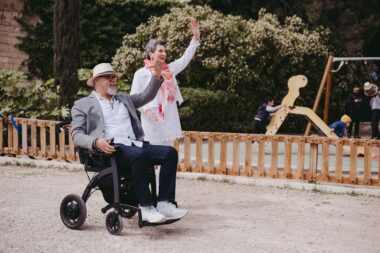

Assessing Balance and Coordination: Tools and Techniques
Balance and coordination are integral components of physical rehabilitation, especially for individuals recovering from injuries or surgeries. Many rehabilitation specialists use a variety of methods to assess these skills effectively. Understanding the patient’s ability to maintain balance and coordinate movements can provide insights into their functional capabilities. Common tools used in these evaluations include balance boards, stability balls, and specialized gait analysis software. Additionally, professionals often incorporate physical tests such as the Berg Balance Scale and the Timed Up and Go Test. These tests help pinpoint deficiencies and identify areas requiring targeted interventions. Rehabilitation specialists must also engage with their patients, ensuring they understand the rehabilitation process and feel supported. Techniques for enhancing balance and coordination extend beyond simple testing; they include tailored exercises designed to improve these critical skills over time. Moreover, maintaining patient motivation through progress tracking is essential. Encouraging patients to set achievable goals can create a sense of accomplishment and engagement within their rehabilitation journey, ultimately leading to improved outcomes and a better quality of life.
Common Assessment Tools
One widely used assessment tool is the Berg Balance Scale (BBS), which evaluates a person’s balance through a series of tasks. The BBS consists of 14 items, each designed to challenge different aspects of balance. Scoring is based on the patient’s performance, with higher scores indicating better balance. The Timed Up and Go Test (TUG) is another effective method, measuring the time it takes for a person to stand up, walk three meters, turn, return, and sit down. This simple yet effective test provides valuable insight into the individual’s mobility and stability. Furthermore, the Functional Reach Test, which assesses how far a patient can reach forward while maintaining their balance, is also frequently utilized. These tools help identify balance deficiencies, contributing to creating tailored rehabilitation plans. These assessments also have the added benefit of being easy to implement in various clinical settings. Overall, utilizing a combination of these tools allows rehabilitation specialists to gain a comprehensive understanding of a patient’s balance and coordination capabilities, leading to precisely tailored interventions that optimize recovery.
Alongside specific tests, qualitative observations remain a vital component of assessing balance and coordination. Rehabilitation specialists often observe body alignment, posture, and movement patterns while patients perform functional tasks. This observational data can reveal compensatory strategies or atypical movements that may not be captured through standardized tests. Additionally, interviews with the patient about their experiences related to balance challenges can provide context for the assessment results. Engaging patients in conversation about their daily activities helps to determine real-world impacts of their balance issues. Another aspect involves considering the patient’s environment, as this can greatly influence balance dynamics. Tasks performed in a controlled therapy setting may differ drastically from those in a home environment. Including input from caregivers and family members creates a more comprehensive picture of the patient’s capabilities and challenges. Coupling quantitative assessment results with qualitative observations paints a holistic view of the patient’s condition. This blended approach enhances the rehabilitation process, ensuring that the interventions are relevant and effective in addressing the unique needs of each patient, ultimately supporting better rehabilitation outcomes.
Visual and Vestibular Components
Understanding the role of visual and vestibular systems is essential in assessing balance and coordination. These systems significantly influence an individual’s ability to maintain equilibrium while performing various tasks. The visual system provides necessary feedback regarding body position and surroundings, while the vestibular system helps regulate balance through spatial orientation. Rehabilitation specialists often incorporate specific assessments that challenge these systems, such as standing with eyes closed or performing head movements while maintaining balance. Such tests help evaluate how well the patient integrates sensory information. Furthermore, specialized exercises targeting these sensory modalities can significantly enhance a patient’s balance. Balance training that incorporates visual distractions or rapid head movements can simulate real-life situations, which may be beneficial in rehabilitating functional balance. Evaluating both the visual and vestibular contributions to balance allows for targeted interventions that address specific deficits. This thorough analysis not only aids in recovery but also helps educate patients about the importance of these systems in daily life. Understanding how visual and vestibular components interact empowers patients to engage more fully in their rehabilitation journey.
The impact of strength training on balance and coordination is another crucial aspect of rehabilitation. Muscle strength is foundational for maintaining stability during movement, especially in lower extremities. Rehabilitation specialists often implement resistance training programs tailored to individuals’ needs and abilities. These programs may include exercises targeting core, leg, and hip strength to promote overall stability. As patients progress, higher-intensity training can be introduced to challenge their balance further. Functional strength exercises like squats, lunges, and step-ups are often incorporated into rehabilitation plans. Ultimately, a well-rounded program that combines strength, flexibility, and endurance promotes not just balance and coordination improvements but also enhances general physical health. Additionally, patients must be educated on the importance of regular exercise in maintaining these benefits beyond rehabilitation. This education can help instill lifelong habits that promote mobility and quality of life. Overall, strategic integration of strength training within rehabilitation can effectively restore balance and coordination, allowing patients to regain independence and participate fully in their preferred activities during the recovery process.
Motivation and Patient Engagement
Patient motivation plays a critical role in the success of rehabilitation programs that focus on balance and coordination. Engaging patients in their rehabilitation can increase adherence to prescribed exercises and improve outcomes. Open communication between rehabilitation specialists and patients allows for understanding individual goals and aspirations, making the process more personal. Setting realistic short-term goals can empower patients by allowing them to achieve small milestones, resulting in a sense of accomplishment. Incorporating enjoyable activities within the rehabilitation program can also enhance motivation. Activities like dance classes or team sports may improve both balance and coordination while keeping patients engaged. Regularly assessing progress and celebrating achievements fosters a positive mindset, encouraging patients to remain committed to their rehabilitation journey. Additionally, involving family members or support systems can create a more encouraging environment, providing necessary emotional support. Ultimately, understanding the psychological components of rehabilitation is essential for specialists. By fostering a motivated and engaged mindset, rehabilitation specialists can maximize patient outcomes, ensuring lasting improvements in balance and coordination. This integrated approach not only enhances physical abilities but also contributes to the overall well-being of individuals.
Having established the importance of balance and coordination in rehabilitation, it is crucial to continuously monitor and adjust rehabilitation plans based on patient progress. Regular follow-ups and functional assessments can provide insight into whether the current strategies are effective or need modification. Feedback from patients serves as a valuable component of this evaluative process; their experiences can help refine approaches and interventions. Rehabilitation specialists should be prepared to make necessary adjustments to better suit individual patient needs. Additionally, integrating technology such as wearable balance monitors may offer objective data reflecting a patient’s progress. Such technology can track key metrics, providing real-time feedback that can influence rehabilitation strategies. Moreover, embracing new methods and tools ensures rehabilitation remains evidence-based and up to date. Sharing findings from recent studies with patients can also help create an informed environment where patients feel confident in the rehabilitation journey. Ultimately, an adaptable and collaborative approach emphasizes the need for ongoing evaluation and improvement in balance and coordination rehabilitation, maximizing each patient’s potential to regain independence and improve their quality of life.
Conclusion
In conclusion, assessing balance and coordination is an essential part of physical rehabilitation. The tools and techniques mentioned above play a vital role in understanding patients’ capabilities and limitations. By implementing various assessment methods, including standardized tests and observational techniques, specialists can outline tailored rehabilitation plans that foster optimal recovery. A deep understanding of the visual and vestibular systems, alongside the integration of strength training, enhances the effectiveness of these interventions. Moreover, motivating patients and enhancing their engagement drastically improves adherence rates, leading to better rehabilitation outcomes. Continuous monitoring and the willingness to adapt plans according to patient feedback ensures that treatments remain relevant and effective. By prioritizing the assessment of balance and coordination, rehabilitation specialists ultimately foster independence and improved quality of life for their patients. The impact of individualized rehabilitation extends beyond mere physical recovery; it has the potential to uplift the overall mental and emotional well-being of individuals. Thus, this comprehensive approach is critical in the journey toward enhanced mobility, confidence, and increased participation in everyday activities.