
Breathing Techniques to Calm Your Mind and Body
Breathing exercises are essential tools for managing stress. They help in bringing awareness to your breathing pattern, allowing you to calm the mind and ease bodily tension. Engaging in these techniques regularly can greatly benefit your overall well-being. When you learn to control your breath, you gain control over your reactions to stress. This may lead to better productivity and improved mental clarity. Relaxation and focus can also become more attainable. As you breathe consciously, you reduce your anxiety levels and create a sense of tranquility. You can practice deep breathing anywhere, making it a convenient option during stressful moments. Moreover, focusing on your breath can serve as a form of meditation, promoting mindfulness. By dedicating a few minutes a day to these exercises, you cultivate a sense of peace that carries through your daily activities. Notably, there are various breathing techniques you can explore. Some common methods include diaphragmatic breathing, box breathing, and 4-7-8 breathing. Each technique offers unique benefits that can aid in stress relief and mental clarity.
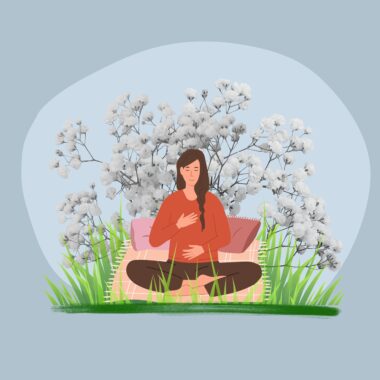
Among the various techniques for stress relief, diaphragmatic breathing is particularly beneficial. This technique involves engaging your diaphragm fully while inhaling, allowing your lungs to fill with air. To practice, sit or lie comfortably. Place one hand on your chest and the other on your abdomen, feeling the movement as you breathe. Inhale deeply through your nose, allowing your abdomen to expand, while keeping your chest still. Then, find your own cadence by exhaling slowly through your mouth. This method induces a calming response in your body, decreasing heart rate and blood pressure. Regular practice can help reinforce this natural state of relaxation. Incorporating diaphragmatic breathing into your daily routine can be highly effective for reducing anxiety and stress levels. It is particularly useful during moments of high tension. Over time, you may find that you become more attuned to when you need to engage in these practices. Many people experience heightened mindfulness from regularly practicing this technique, which can carry over to other situations, enhancing overall emotional regulation and stress management.
Box Breathing for Focus
Box breathing, a technique often used by athletes and military personnel, is another effective way to alleviate stress. The method consists of inhaling, holding the breath, exhaling, and pausing, each for a count of four. This creates a ‘box’ effect, thus the name. To practice, find a comfortable position and inhale deeply through your nose for a count of four. Hold this breath for the same duration. Next, exhale slowly through your mouth for a count of four before pausing for another count of four. Repeat this cycle several times, focusing on the rhythm of your breath. This structured approach helps to emphasize control, promoting relaxation and focus. Many practitioners appreciate box breathing for its straightforward process and immediate effects. It can be especially useful during overwhelming situations or panic attacks, providing a sense of control. By utilizing this technique, you may enhance your attention and clarity. Moreover, practicing box breathing regularly may result in long-term stress management benefits, ensuring that you build resilience against future stressors. It’s a readily applicable strategy suitable for various contexts.
The 4-7-8 breathing technique is particularly popular for enhancing relaxation and promoting sleep. Developed by Dr. Andrew Weil, this method is simple yet powerful. It involves a cycle where you inhale for a count of four, hold your breath for seven counts, and then exhale for eight counts. To practice, find a calm environment and adopt a comfortable position. Inhale deeply through your nose for four seconds, hold that breath while counting to seven, and then gently exhale through your mouth for eight seconds. This not only provides an effective way to reduce anxiety but also assists in resetting your nervous system. Many users report feeling more relaxed after just a few cycles. Regular practice of 4-7-8 breathing may improve both your overall mental health and sleep quality too. As you become accustomed to this technique, you might incorporate it into your nightly wind-down routine. Its simplicity makes it accessible to everyone, as it requires no special training or equipment. It’s an ideal addition to your stress management toolkit, particularly useful at the end of a long day.
Creating Your Breathing Practice
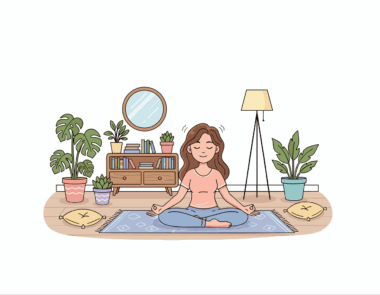
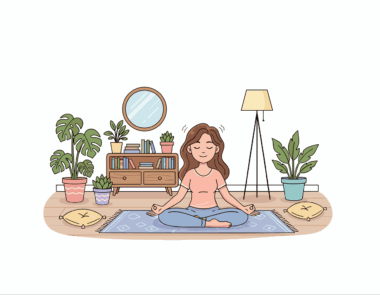
Establishing a consistent breathing practice can be transformative for your mental well-being. Start by dedicating five to ten minutes daily to engage in any of the techniques mentioned. Try to choose a time that fits your schedule, such as in the morning, during lunch breaks, or just before bed. By gradually increasing the duration and frequency of your practice, you encourage long-term benefits. The key is to remain consistent and patient with yourself. Not every session will feel perfect, and that’s okay. Be flexible in your approach, allowing for spontaneous moments of self-care throughout the day. You may find it helpful to set reminders on your phone to practice during high-stress times. Additionally, consider creating a designated space for your breathing exercises to foster a calming atmosphere. Incorporate elements that inspire peace, like calming scents or soft lighting, as these can enhance your focus. Remember, establishing a mindfulness practice is a gradual process that requires time. As you incorporate breathing exercises into your routine, you may notice positive shifts in how you handle stress and anxiety.
As you progress with these breathing techniques, it may be beneficial to combine them with other stress management strategies. Incorporating physical activity, balanced nutrition, and adequate sleep can amplify the benefits of your breathing practices. Engaging in regular exercise, even a simple daily walk, helps release endorphins, which elevate your mood. These positive habits create a synergistic effect that contributes significantly to emotional resilience and reduces stress levels. Similarly, ensuring a nutritious diet rich in essential vitamins and minerals supports mental health. Aim to limit caffeine and sugar intake, as they can exacerbate anxiety. Additionally, establishing consistent sleep routines allows your body to recover and will greatly improve your mood and outlook. When your body and mind feel supported, you will find it easier to implement your breathing techniques effectively. Consider journaling your experiences as you develop your practice. Reflecting on your progress can provide insights into what works best for you. Ultimately, adopting a holistic approach to stress management enhances your overall well-being.
Conclusion: Your Stress Management Journey
Embarking on the journey of stress management through breathing techniques can be remarkably fulfilling. With a commitment to incorporating these practices into your daily life, you can cultivate a more peaceful state of mind. Each method brings unique benefits, and exploring various techniques allows you to discover what resonates with you. Remember that consistency is essential for lasting results. Don’t be discouraged by initial challenges; allow yourself to adjust and adapt. Over time, your capacity for managing stress will grow, providing unprecedented levels of mental clarity and emotional balance. Additionally, consider seeking support through community groups or online resources focused on stress management to share experiences with like-minded individuals. Learning from others can enhance your journey and inspire new ideas. The aim is to develop a personalized routine that fits your lifestyle, enabling you to face everyday pressures with confidence. Breathing exercises serve as a foundation for lasting well-being. Embrace this opportunity to prioritize your mental and emotional health, and enjoy the benefits that a calm mind and body can bring to your life.
At the end of this journey, you’ll not only feel more empowered, but also equipped with profound techniques to combat stress and anxiety. Approach this journey with an open heart and mind, as every small step can lead to greater progress over time. Stay dedicated, continually explore, and refine your mindfulness practices.