
Why Regular Cardiovascular Exercise Boosts Your Metabolism
Engaging in regular cardiovascular exercise offers numerous benefits, particularly regarding metabolism enhancement. Metabolism refers to the body’s ability to convert food into energy. When individuals participate in cardiovascular activities like running, cycling, or swimming, their heart rate increases, resulting in higher energy expenditure. This increase in energy demands encourages the body to burn more calories, even during rest. Consequently, higher metabolic rates can lead to weight loss or maintenance, as caloric intake can be balanced with the energy expended. Moreover, studies show that incorporating cardio into routine workouts helps maintain lean muscle mass, further contributing to metabolism efficiency. Increased muscle improves basal metabolic rate, meaning more calories are burned at rest. Additionally, cardiovascular exercise also has favorable effects on various hormones that regulate metabolism, such as epinephrine and norepinephrine. By participating in cardiovascular training regularly, individuals can enjoy ongoing metabolic benefits that support overall health. Transitioning to a more active lifestyle can seem daunting, but starting slowly and gradually increasing intensity can make this transition enjoyable and sustainable. From stamina build-up to significant health benefits, it is worth prioritizing cardiovascular health.
When undertaking cardiovascular exercises, different types can significantly influence metabolism. For instance, high-intensity interval training (HIIT) is popular among fitness enthusiasts for its impactful effects. HIIT alternates periods of intense effort with recovery, resulting in greater calorie burn during workouts and a prolonged metabolic boost afterward due to the afterburn effect. This afterburn effect, known scientifically as excess post-exercise oxygen consumption (EPOC), elevates metabolic rate post-exercise, which keeps the body burning calories long after the workout has ended. One high-energy HIIT session can ignite more calorie burn than traditional steady-state cardio sessions, making it an efficient method for those short on time. Alternatively, steady-state cardiovascular exercises, such as jogging or brisk walking, have their unique advantages. These activities are more accessible for beginners and can be performed for extended durations, maintaining a steady burn of calories. By diversifying workouts and including both HIIT and steady-state cardio, individuals can maximize metabolic benefits and stay engaged in their fitness journey. Therefore, implementing a balanced approach to cardiovascular exercise can lead to more effective weight management and overall health preservation.
Cardiovascular Health and Metabolism
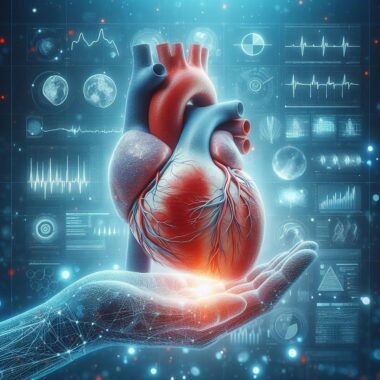
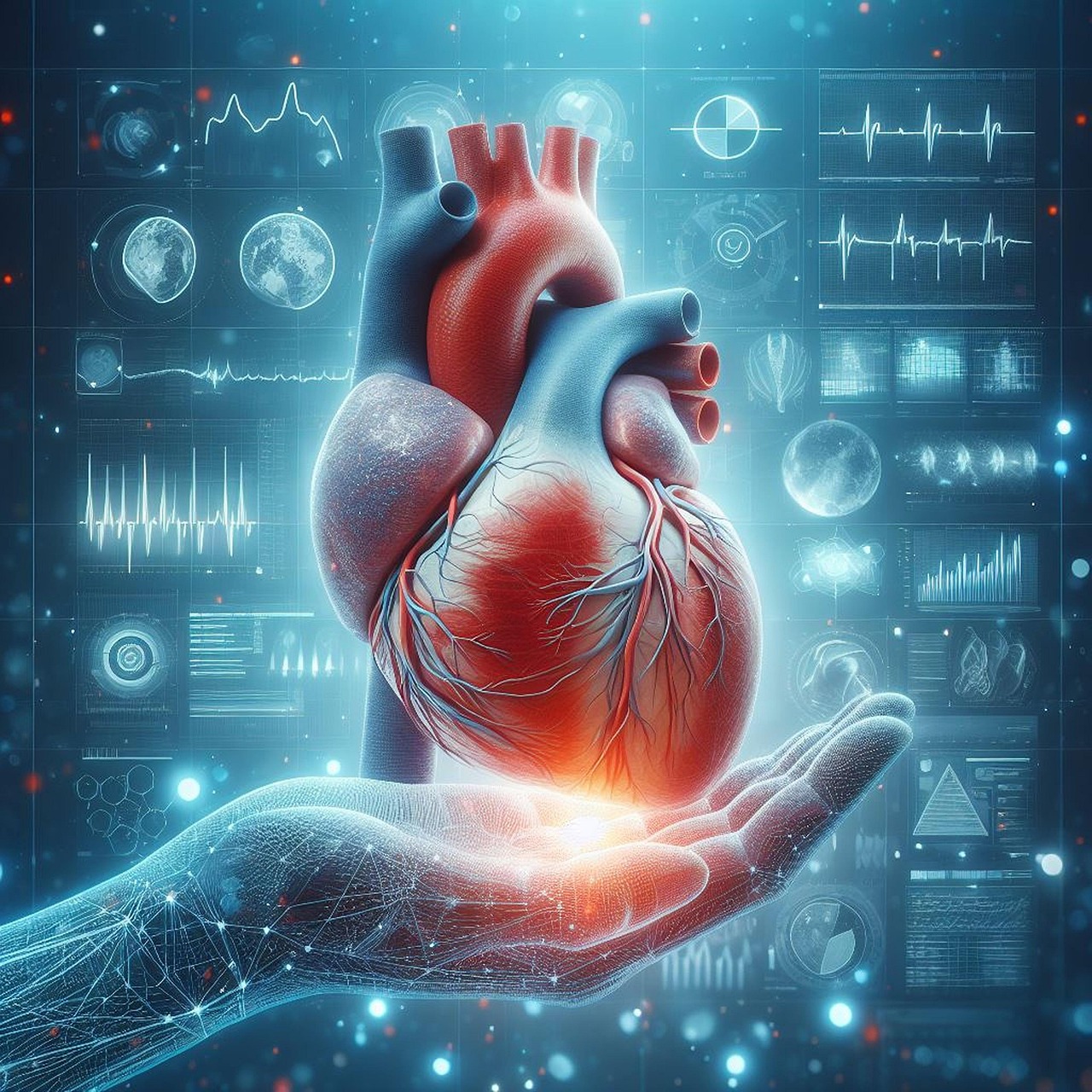
The relationship between cardiovascular health and metabolism is crucial for physical well-being. Improved heart health directly influences metabolic rate and efficiency in energy production. When the heart functions properly, it effectively pumps oxygen-rich blood to the muscles, which is necessary for energy creation during exercise. An efficient cardiovascular system also ensures that the body can sustain longer exercise durations, thereby contributing to higher calorie expenditure. As metabolic processes become more efficient through regular cardiovascular exercise, individuals may discover improvements not only in weight management but also in stamina and overall physical performance. Enhanced digestion is also a remarkable benefit that arises from regular cardio workouts, as aerobic exercises help to regulate the digestive system. This regulation leads to better nutrient absorption and energy utilization, which can further increase the metabolism. The incorporation of cardiovascular training into daily routines strengthens the heart muscle, lowers blood pressure, and reduces resting heart rate, contributing to better overall cardiovascular health and function. These factors combined create a favorable environment for a robust metabolic system, illustrating why cardiovascular exercise is considered essential for long-term health.
Incorporating cardiovascular training into a daily routine needs to be practical and enjoyable for sustainability. Finding activities you love is vital to maintaining regularity and consistency over the long term. For some, outdoor activities like hiking, cycling, or jogging smoothen the pathway to cardiovascular fitness, while others may find solace in group classes or sports. Regardless of individual preference, combining various routines can alleviate monotony and enhance motivation. Engaging in diverse cardiorespiratory exercises—those that elevate heart rate—ensures that no single muscle group becomes fatigued or overworked. The key lies in creating a balanced schedule filled with enjoyable and diverse activities, which meet both fitness and personal enjoyment needs. Many online platforms and fitness apps now offer tailored cardio programs to assist individuals in their journey toward better health. Additionally, seeking accountability through workout partners or personal trainers can enhance motivation and adherence. There are numerous ways to support one’s engagement in cardiovascular training while making it an enjoyable aspect of life. Fostering a positive relationship with physical activity reinforces the likelihood of maintaining consistency, ultimately contributing to enhanced metabolism and health.
Nutrition’s Role in Cardiovascular Exercise
While cardiovascular exercise is vital for boosting metabolism, the role of nutrition cannot be neglected. Proper nutrition plays a critical part in supporting energy levels and recovery after exercising. It is essential to consume adequate nutrients to fuel workouts effectively, as insufficient intake may hinder performance and potential benefits. Prioritizing whole foods, including vegetables, lean proteins, healthy fats, and whole grains, significantly contributes to overall health and energy support during cardiovascular training. Macros, such as carbohydrates, are pivotal before workouts, as they provide the body with top-tier energy. Additionally, post-exercise nutrition should focus on replenishing nutrients lost during workouts, helping the body recover and prepare for future sessions. Hydration also supports endurance and performance levels during cardiovascular activity, which can substantially impact metabolic rates. Scheduling balanced meals around workout times ensures individuals can maximize their workouts and the subsequent caloric burn. Emphasizing nutrition enhances the cardiovascular training benefits exponentially, heightening metabolism and overall health. Fueling the body properly with macronutrients greatly supports metabolism and energy levels, crucial for optimizing cardiovascular exercise outcomes.
Moreover, it is essential to listen to one’s body throughout the process of cardiovascular training and make adjustments accordingly. Each person’s needs may vary based on individual fitness levels, energy requirements, and lifestyle factors. An approach tailored to personal preferences and limitations can lead to better results and sustainable habits. Additionally, setting realistic goals can facilitate motivation and encourage consistent participation in cardiovascular activities. Many experts recommend setting both long-term and short-term goals. These goals can help maintain focus and drive. Measuring progress can boost morale and promote accountability within one’s fitness journey. Accountability can come from various sources, including fitness trackers, workout partners, and fitness communities. This support network fosters motivation, adds a fun aspect to workouts, and encourages consistency. Always remember that the key to achieving positive results from cardiovascular training lies in maintaining a balanced approach involving exercise, nutrition, and self-awareness. It’s about creating a lifestyle that prioritizes health and wellness, ensuring that both physical fitness and mental well-being are appropriately addressed, making the process of enhancing metabolism through cardiovascular exercise an enjoyable and sustainable journey.
The Influence of Age on Metabolism
Age plays a significant role in determining an individual’s metabolic rate. Many people notice a decline in their metabolism as they get older, often due to muscle mass loss and hormonal changes. Adopting regular cardiovascular exercise can help counteract these age-related changes by promoting muscle retention and increasing metabolic efficiency. During middle age and later, it becomes increasingly important to integrate consistent cardio training into daily routines. Regular cardiovascular activities can combat the decline in resting metabolic rates often seen with aging. Moreover, starting cardiovascular training at any age offers benefits, which include improved cardiovascular health and increased lifespan. It’s never too late to begin incorporating health-focused activities. At younger ages, building a robust cardiovascular foundation can lead to lifelong enthusiasm toward physical fitness, ensuring long-term health benefits. Furthermore, customizable exercise options provide flexibility for individuals of all fitness levels, ensuring that everyone can find something that suits their needs. Overall, ignoring age-related metabolic changes is not ideal; instead, embracing cardiovascular exercise can foster longevity and contribute to a healthier, more active life.
In selecting cardiovascular exercises, it’s important to consider longevity and enjoyment. Many individuals tend to focus solely on calorie burn; however, it is crucial to find activities that will endure over time to foster a sustainable exercise regimen. Many find joy in group workouts, outdoor activities, or sports, which often encourage consistency as they cultivate social connections. Finding the right activity can minimize the risk of burnout. Varieties of cardiovascular training can prevent hitting plateau phases, where progress may stall as the body adapts to stressors. Mixing forms of cardio prevents this stagnation and enhances overall fitness levels. With each successful workout, individuals contribute to better overall health and elevated metabolic rates. Experimentation with different methods, such as dance classes, swimming, or cycling may lead to discovering unexpected passions. Diminishing routine leads to enthusiasm about an active lifestyle. As consistency is paramount to achieving ongoing benefits, finding enjoyable methods is essential. Overall, success in cardiovascular training relies heavily on how well everything aligns with personal preferences and creates delightful experiences, promoting longevity in cardiovascular health and metabolism optimization.