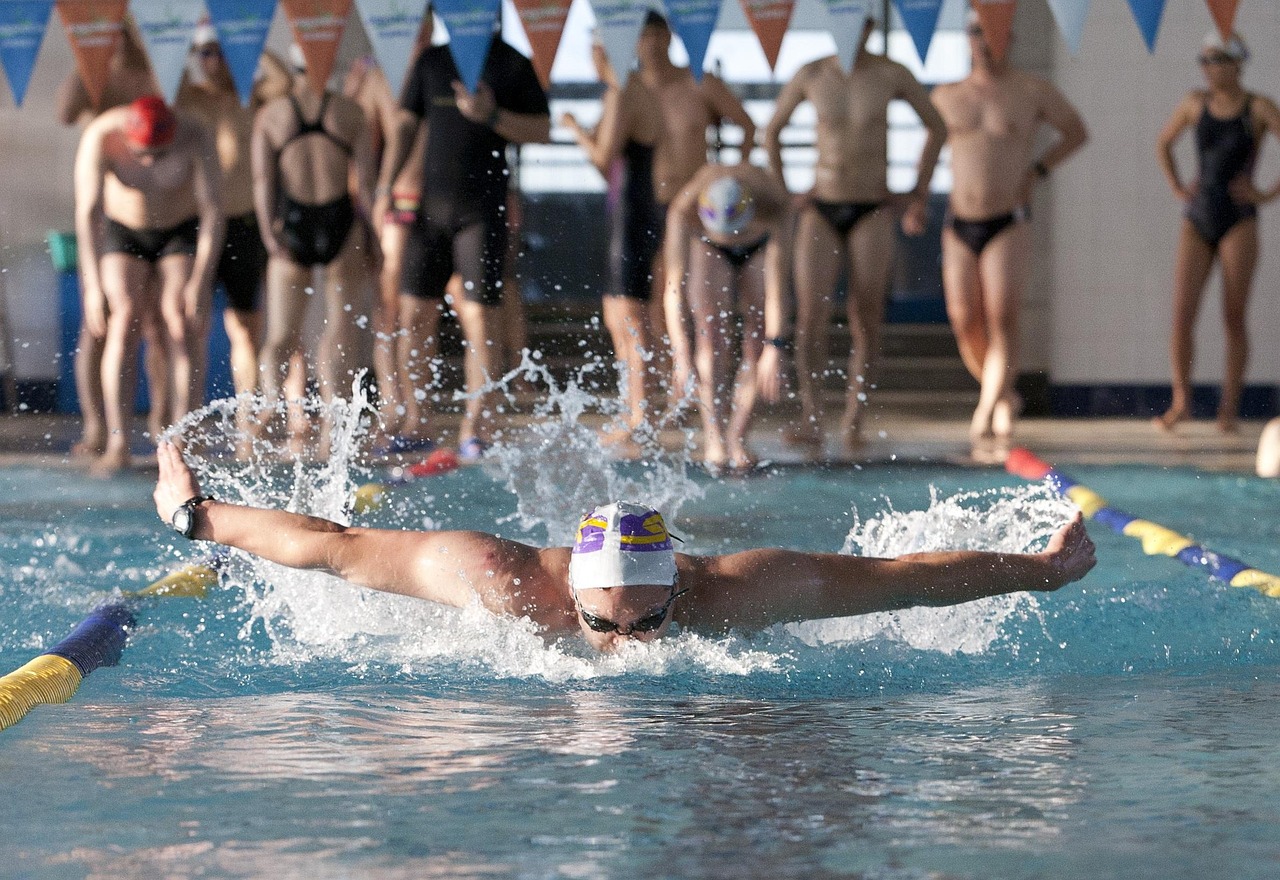

Swimming Glossary: Definitions of Stroke Efficiency and Hydrodynamics
Understanding swimming requires insight into specific terms related to stroke efficiency and hydrodynamics. Stroke efficiency signifies how effectively a swimmer uses energy to move through water. It’s crucial to understand that improved efficiency means less energy expenditure, ultimately enhancing performance. To achieve stroke efficiency, factors such as body position, arm movement, and kick rhythm must be optimized. For instance, a streamlined body position minimizes drag, allowing smoother forward motion. Each stroke technique contributes to varying levels of efficiency and power output, which correlate directly to competitive times. Measures like stroke rate and distance per stroke are vital components in calculating overall efficiency. Swimmers should aim to balance speed and endurance for optimal performance. Hydrodynamics also plays an essential role in swimming. This concept includes how water moves around a swimmer’s body and how forces like drag and lift impact speed. Understanding hydrodynamic principles can help athletes adjust their techniques for maximum efficiency. Moreover, practicing drills focusing on these aspects can lead to substantial improvements. Overall, a swimmer’s time in the water can be significantly reduced through focused understanding and application of these crucial concepts.
During training, swimmers often delve deeper into key terms that define stroke performance and optimize their swimming techniques. One important term is the “catch”, which refers to the moment a swimmer’s hand enters the water to begin the pull phase. This is critical for translating energy into forward momentum. A good catch utilizes a high elbow position to create a greater surface area for propulsion. Swimmers also learn about “pull buoy”, an essential training aid that helps emphasize upper body strength by keeping the legs afloat. This tool encourages swimmers to focus on their arm technique without the distraction of kicking. Another vital aspect is “drag”, which concerns the resistance felt against the swimmer’s body as they navigate through water. Minimizing drag is essential for efficient swimming; techniques like body roll and reducing unnecessary resistance are fundamental. Additionally, swimmers track their “tempo”, which refers to the rhythm of their strokes adapted for speed and endurance. By understanding these terminology and employing them into practice, swimmers can significantly enhance their overall performance and accomplish personal bests more consistently.
Advanced Concepts in Swimming Efficiency
As swimmers evolve, they often explore more advanced concepts like “body roll” and “breathing patterns” while honing their stroke efficiency. Body roll refers to the rotational movement of a swimmer’s torso while executing strokes, enabling better reach and stroke length. Correct body roll can reduce drag and increase propulsion, facilitating more streamlined movements through water. When employed effectively, it allows swimmers to conserve energy over long distances, enhancing endurance. Breathing patterns significantly impact stroke technique as well. Efficient breathing involves timing inhalations to minimize disruptions to forward momentum. For example, exhaling underwater while preparing for a breath keeps the body elongated, fostering a smooth stroke. Another concept is the “kick” — particularly regarding technique, timing, and strength. The kick offers propulsion, stabilizes the body, and helps in maintaining proper body position while swimming. A well-timed kick synchronizes beautifully with the arm pull, enhancing overall efficiency. This forms a rhythm that carries through strokes, crucial in races. Swimmers should regularly incorporate drills focusing on these advanced concepts to refine their technique and maximize performance gains.
In addition to the primary techniques, one should consider the importance of “streamlining” as a critical concept within swimming efficiency practices. Streamlining encapsulates the idea of reducing drag by positioning the swimmer’s body in optimal formations. This is particularly vital during starts and turns, where minimizing resistance is paramount. Techniques like the “push-off” from the wall significantly contribute to a swimmer’s speed due to a powerful streamlined position. Swimmers often rehearse the transition from a dive or flip turn into a streamlined glide, ensuring they sustain speed as long as possible. The water’s surface tension and resistance mechanics dictate how crucial it is to establish velocity rapidly upon entering the water. Furthermore, swimmers can enhance their understanding of their efficiency metrics through technological aids like stroke count analytics and underwater filming. Real-time, digital feedback helps athletes review and adjust their techniques effectively. Regularly evaluating these metrics allows swimmers to identify strengths and weaknesses in their performance levels, prompting necessary adjustments and contributing to ongoing learning. Engaging in formations with coaches helps solidify concepts regarding how each element ties back to overall efficiency.
The Role of Technology in Stroke Efficiency
Advancements in technology play a pivotal role in enhancing swimming’s competitive landscape, especially pertaining to stroke efficiency. Through comprehensive analysis tools, swimmers can meticulously track performance metrics over time, making it easier to identify specific areas for improvement. Wearable devices, like swim watches and performance trackers, provide real-time data on stroke count, distance, and lap times, facilitating personalized training regimens. Coupled with underwater camera footage, athletes can visualize their technique, enhancing self-awareness and leading to informed adjustments. Moreover, smartphone applications equipped with analytics capabilities allow swimmers instant access to their performance feedback, tracking progress more effectively. Data on stroke rate and distances per stroke can reveal patterns that indicate where a swimmer may maximize energy efficiency. Sensors that offer insights into body positioning relative to hydrodynamics allow for targeted training focused on technique improvement. Embracing technology creates a comprehensive and adaptive training atmosphere. Coaches increasingly employ video analysis to demonstrate necessary corrections, fostering direct communication between athlete and trainer. Overall, engaging with technology serves to amplify practice efficiency and improve competitive readiness.
Nutrition and recovery also intertwine with the overarching theme of swim stroke efficiency. Swimmers should focus on a nutrition plan that sustains their energy levels throughout rigorous training sessions. Macronutrients, especially complex carbohydrates, provide the fuel needed for high-intensity intervals. Additionally, proteins are integral for muscle recovery post-training. Hydration plays an equally vital role in performance; maintaining proper fluid balance prevents fatigue and maximizes strength. Swimmers should prioritize hydration before, during, and after their workouts to avoid deterioration in performance levels. Furthermore, active recovery techniques such as rest days, stretching, and foam rolling improve muscle flexibility and reduce injury risks. Balancing training with appropriate rehabilitation routines accelerates adaptation rates. Sleep also remains an essential element of recovery, as it allows for physical repair and cognitive function restoration. Swimmers should aim for multiple hours of quality sleep to enhance efficiency gains. Implementing an all-encompassing approach that centers on nutrition, recovery protocols, and technique refinement yields holistic progress in stroke performance. Focusing on these elements leads to overall improvements and better competition results.
Conclusion: Bridging Terms with Practical Application
In conclusion, establishing a solid grasp of swimming terminology related to stroke efficiency and hydrodynamics is imperative for any swimmer dedicated to improving their performance. As outlined, critical terms such as catch, pull buoy, body roll, drag, and streamlining encapsulate essential characteristics that define optimal swimming techniques. The integration of technology further enhances the swimmer’s understanding of these principles while providing tangible feedback that allows for targeted training interventions. To succeed, swimmers need to actively merge these theoretical concepts with practical applications in their training regimens. Whether focusing on refining stroke techniques or exploring nutrition and recovery facets, each component contributes to better efficiency. Thoughtful consideration and consistent practice of these concepts will bridge understanding and application, promoting sustained improvement over time. Thus, as one cultivates knowledge in hydrodynamic principles and techniques, positive changes in performance metrics are inevitable. Swimmers are encouraged to engage with coaches, utilize available technology, and foster a holistic approach to refining their skills, ensuring they continuously progress and excel in their swimming journey.
With dedicated practice and an unyielding commitment to mastering swimming concepts, swimmers can achieve remarkable improvements. Each element discussed contributes significantly to overall stroke efficiency and competitive excellence. Continuous learning about techniques and terms encourages personal growth, making swimmers more attuned to their bodies and the physics of movement through water. As understanding deepens, equipping oneself with knowledge of training strategies and nutrition will support long-term objectives. Swimmers should embrace and apply the concepts explored throughout this glossary to build a solid foundation for their aquatic endeavors. By focusing on reducing drag, maximizing propulsion, and emphasizing stroke mechanics, swimmers will undoubtedly enhance their speed and endurance over time. Through this knowledge, they will navigate their swimming journeys with improved confidence and efficacy.