
The Role of Walking in Managing Senior Chronic Conditions
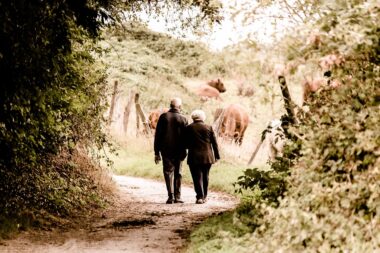
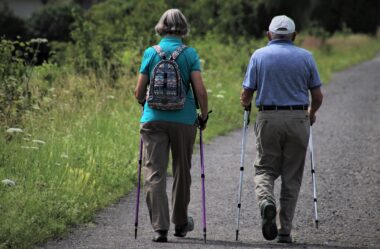
Walking is a fundamental activity that provides numerous benefits for seniors, especially those managing chronic conditions. Engaging in regular walking routines enhances cardiovascular health, which is essential for those dealing with heart-related concerns. Additionally, walking aids in weight management, making it easier for seniors to maintain a healthy body mass index. It can also enhance balance and coordination, which reduce the risk of falls, a concern often faced by aging adults. Studies have shown that walking improves circulation and strengthens the muscles of the legs and abdomen. This, in turn, has a positive effect on overall mobility, a critical factor for seniors wanting to live independently. Moreover, walking boosts mental health, offering stress relief while promoting better sleep patterns. Senior walking programs can create social connections, helping participants combat feelings of isolation. Many communities offer club walking activities that further enhance these benefits. Research also indicates that those who maintain a walking regimen have lower levels of anxiety and depression. As such, incorporating walking into each senior’s life is vital and should be encouraged through community health initiatives and education.
Benefits of Regular Walking
For seniors, regular walking provides an effective way to combat numerous chronic conditions prevalent in this age group. Such conditions include diabetes, hypertension, and arthritis. Scientific evidence strongly suggests that individuals who engage in regular walking experiences improved glycemic control. Walking exercises also assist in managing hypertension, significantly reducing blood pressure levels when performed consistently. Additionally, seniors can alleviate joint pain from arthritis, as low-impact walking strengthens surrounding muscles without exerting excessive pressure on the joints. This is particularly beneficial when the walking program is backed with proper footwear and routes that are even and safe. Furthermore, walking stimulates the production of endorphins, leading to enhanced moods and feelings of well-being, which is crucial for mental health. By walking, seniors can connect with neighbors and friends, promoting social interaction that is essential for emotional support. Communities can facilitate more accessible walking paths and programs, thus encouraging seniors to partake in this beneficial exercise. Moreover, benefits realized through walking can lead to increased confidence in their physical abilities and greater independence in daily activities.
Implementing walking as a prescribed activity can be a transformative approach toward managing chronic conditions among seniors. Health professionals often recommend at least 150 minutes of moderate aerobic activity weekly for seniors. This can easily be divided into short sessions that are easier to manage. For many, walking a dog, taking strolls in the park, or engaging in supervised walking groups are practical ideas. When starting a walking program, individuals should aim for gradual increases in intensity and duration. This method prevents injuries while encouraging consistent participation. Furthermore, the buddy system is impactful, where seniors walk with friends or family members for added motivation. Tracking progress through step counters can also play a significant role in maintaining engagement. Proof of meeting daily goals enhances satisfaction and encourages continued participation in the program. As excitement grows, involving a local community center can organize events that inspire greater participation and awareness. Ultimately, creating an inviting atmosphere ensures sustained interest. Regular walks provide physical and mental benefits conducive to better overall health management among seniors living with chronic conditions.
Challenges and Solutions
Despite the acknowledged benefits of walking for seniors, several challenges may hinder adherence to walking programs. Physical limitations can restrict mobility, making it difficult for some to walk even short distances. Weather conditions can further pose barriers, as harsh climates may deter outdoor activities. Additionally, lack of motivation often arises from social isolation or previous experiences leading to injuries. To overcome these obstacles, it is crucial to customize walking programs according to individuals’ abilities and preferences, ensuring every senior feels comfortable participating. Alternate indoor walking locations, such as shopping malls or community centers, provide safe environments when the weather is unfavorable. Incorporating resources like personal trainers or physical therapists familiar with senior needs can also enhance safety and effectiveness. Furthermore, establishing community walking events encourages social interaction among participants, which can help combat isolation. By promoting a supportive environment where seniors feel encouraged and less pressured, they may find walking more enjoyable. Enhancing accessibility through public awareness campaigns about mobility aids also accommodates those needing assistance and engages a larger segment of the senior population.
The impact of walking on chronic conditions goes beyond physical health benefits; it greatly influences emotional well-being in seniors. Many older adults who feel isolated may face depression or anxiety, leading to reduced motivation for physical activity. Social walking programs can help bridge this gap. Participating in group walks leads to shared experiences, ultimately fostering friendships. Engaging conversations during walks can significantly improve mental wellness and create a sense of belonging. Local communities can play a pivotal role by organizing walking events promoting health while breaking down barriers of isolation. Studies show that daily walking increases levels of serotonin and endorphins in the brain. Consequently, seniors benefit from improved mood and reduced feelings of depression. Regular physical activities such as walking can stimulate cognitive functions, potentially lowering the risk of dementia and related conditions. Incorporating walking into existing social activities can contribute significantly to emotional health. Organizing themed walks, such as nature walks or historical tours, can captivate interest and encourage participation. This not only bolsters their mental state but also enhances overall quality of life for seniors living in communities.
Best Practices for Walking Programs
Creating effective walking programs necessitates just a few best practices to ensure maximum benefit for seniors with chronic conditions. First, evaluating individual health status is crucial before initiating any walking program. This allows for tailored recommendations that suit each participant’s specific condition and limitations. Next, emphasis on the importance of proper footwear can prevent injuries, ensuring comfort while walking. Utilizing good shoes with appropriate support reduces the risk of falls and enhances performance. Incorporating flexibility exercises before and after walking sessions is also beneficial, easing any potential discomfort experienced during the activity. Moreover, collaborating with healthcare providers to establish clear guidelines can ensure seniors follow safe distances and maintain an adequate pace. Engaging in consistent reviews of progress allows for adjustments based on each participant’s improvements or challenges. Additionally, encouraging a mixed approach to walking, including varied terrains and environments, keeps the program exciting. Community members feel more invested in their walking program when they create accountability partnerships. As they see their progress, inspiring peer support fosters a positive environment conducive to long-term adherence.
In conclusion, walking plays a critical role in managing chronic conditions among seniors, offering extensive benefits that enhance physical and mental health. Regularly engaging in walking activities fosters better weight management, improved cardiovascular fitness, and greater overall mobility. Seniors who participate in walking programs experience strengthens social connections, thus reducing feelings of isolation. Community support and educational programs can motivate seniors to be active participants in their health journey. Generating awareness about the mental health benefits of walking encourages adherence to these programs. There’s also merit in fostering partnerships with healthcare providers to establish effective walking strategies. The commitment to walking not only offers physical benefits but is also instrumental in enhancing emotional stability and healthy living. Incorporating walking into daily routines paves the way for better overall wellness among seniors, fostering independence and improved quality of life. Therefore, local organizations and communities must prioritize the establishment of accessible walking programs tailored to the needs of seniors. This initiative can alleviate chronic conditions, promoting a healthier lifestyle that empowers seniors to enjoy their golden years with vitality and joy.
The Future of Senior Walking Programs
As the aging population continues to grow, the future of senior walking programs looks promising and necessary for healthy living. Adapting these programs to meet the evolving needs of seniors will enhance their effectiveness and engagement. Integrating technology, such as mobile health apps, can assist seniors in tracking their walking progress and connecting them with their peers. These digital platforms can provide personalized feedback and motivational support to encourage consistent activity. Moreover, community initiatives should invest in developing more accessible walking paths, enhancing safety features and connectivity, ensuring all seniors have access regardless of where they live. Encouraging fitness professionals to engage more with seniors will also improve overall participation rates in walking programs, ensuring that everyone feels supported while exercising. Furthermore, collaboration with local health systems can result in preventive health strategies, helping to identify those at risk and promote walking as a solution. By promoting a culture of walking as integral to senior health management, communities can positively shape future generations. Encouragement of innovative strategies will ensure that seniors can enjoy an active and engaged lifestyle, all while effectively managing their chronic conditions.