
Understanding Vitamin D Deficiency in Vegetarians
Vitamin D is vital for maintaining bone health and supporting immune function. However, many vegetarians may experience a deficiency due to limited dietary sources. The main sources of vitamin D include fatty fish, fortified milk, and egg yolks, which are not part of a vegetarian diet. This can lead to potential health issues, such as osteoporosis and weakened immunity. It’s crucial for vegetarians to understand the importance of vitamin D and explore alternative methods for ensuring adequate intake. Although sunlight is a natural source, relying solely on UV exposure may not be sufficient, particularly during winter months or for individuals living in northern latitudes. Furthermore, certain factors such as skin tone, age, and sunblock usage can affect vitamin D synthesis from sunlight. Therefore, vegetarians should consider dietary supplements specifically formulated to boost vitamin D levels. Eating fortified foods and using supplements can help. Always consult a healthcare professional before starting any new supplement regimen. Understanding where to get sufficient vitamin D while adhering to a vegetarian lifestyle is essential for good health. Taking proactive measures will safeguard against deficiency and its associated risks.
Vitamin D exists in two primary forms: vitamin D2 (ergocalciferol) and vitamin D3 (cholecalciferol).
Vitamin D2 is commonly found in fortified foods and certain fungi, while D3 is produced by the skin when exposed to sunlight. The body can convert both forms into the active hormone calcitriol, which plays a crucial role in calcium absorption. However, many vegetarians may not consume adequate amounts of D2 and might struggle to synthesize enough D3 due to lifestyle factors. For this reason, it becomes vital to monitor your intake and consider options like UV-exposed mushrooms, which are a natural vegetarian source of vitamin D2. Additionally, numerous supplements now offer plant-based sources of vitamin D, making it easy for vegetarians to find supplements that suit their needs. Furthermore, understanding recommended dietary allowances for vitamin D is essential for maintaining health. Most individuals require at least 600 to 800 IU depending on age, while some may need higher amounts. Regular blood tests can help monitor vitamin D levels and enable timely interventions if a deficiency is detected, ensuring optimal health for vegetarian individuals.
Symptoms of vitamin D deficiency can be subtle and may manifest in various ways. Common indicators include chronic fatigue, muscle weakness, and frequent illnesses.
Furthermore, mood disturbances such as depression and anxiety may also be linked to low vitamin D levels. Some individuals may not even exhibit visible symptoms until significant deficiency occurs, making awareness and proactivity essential. Recognizing these symptoms can empower vegetarians to seek help early and incorporate dietary changes or supplements. Healthcare providers may recommend blood tests to assess vitamin D levels, especially for those experiencing symptoms. Maintaining adequate amounts of this vitamin supports not only bone health but also cellular functions and immune response. To combat vitamin D deficiency, incorporating fortified foods and supplements into the diet can provide an effective solution. Labels on products can guide choosing the right items. Additionally, educating themselves on the importance of nutrients play helps vegetarians make informed dietary decisions. Suggestions include spending time outdoors while following sun safety guidelines and considering supplements during seasons with less sunlight. This comprehensive approach can help maintain vibrant health and overall wellbeing.
Food Sources for Vegetarians
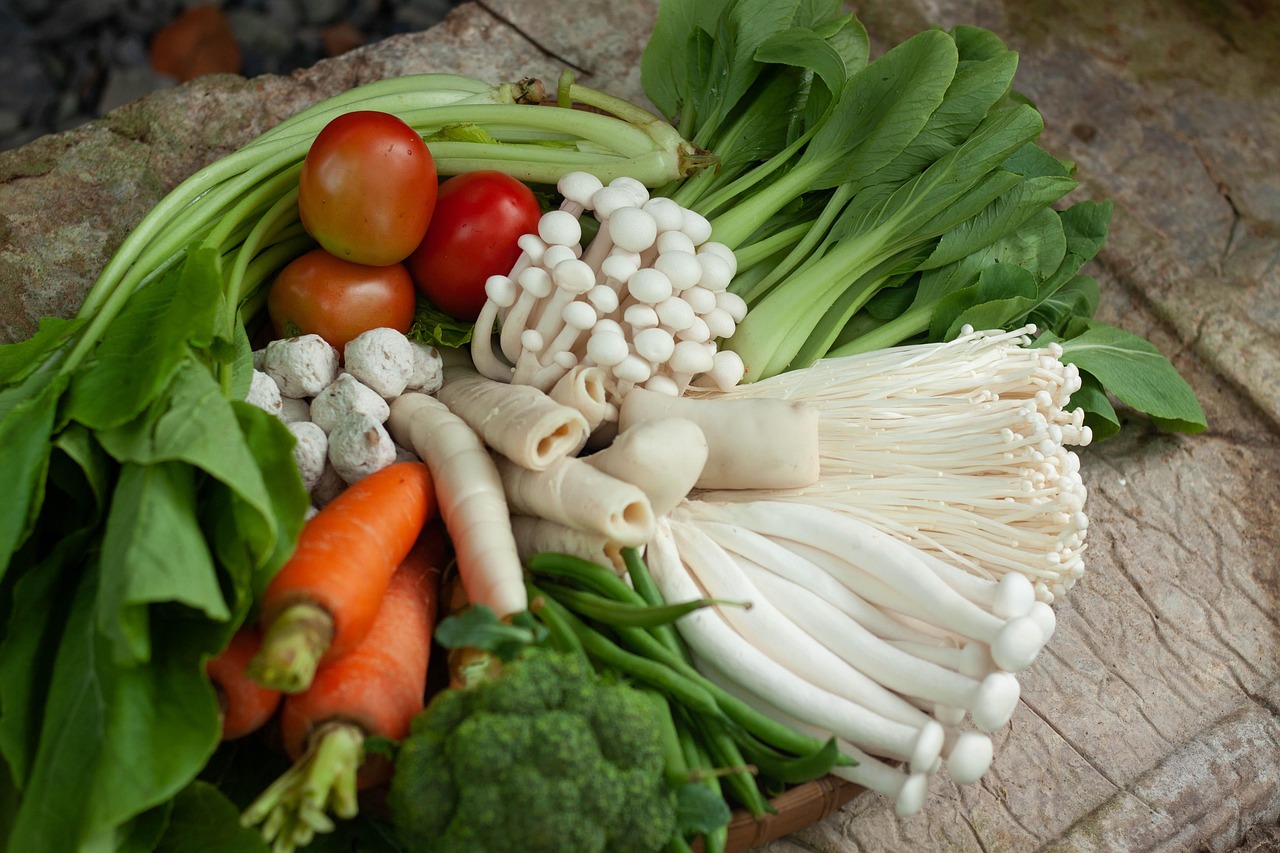
For vegetarians, it is essential to identify food sources that can contribute to healthy vitamin D intake. There are several vegetarian-friendly options available. Fortified foods often provide a convenient way to obtain essential nutrients. Be sure to read food labels to identify products with added vitamin D. Common options include fortified plant-based milk, soy milk, almond milk, and orange juice. Some breakfast cereals also fortify vitamin D and may help meet dietary recommendations. Additionally, some fungi, particularly certain types of mushrooms, are natural sources of vitamin D when exposed to ultraviolet (UV) light, providing a relevant embodiment of this nutrient for those on a vegetarian diet. Regularly incorporating these foods into daily meals can effectively support adequate vitamin D levels. Furthermore, cooking with fortified oils can enhance nutrient intake. It’s essential for vegetarians to educate themselves about their food choices and experiment in the kitchen to create balanced meals that include these sources. Contacting a nutritionist can also provide tailored advice and guidance for achieving optimal nutrition in a vegetarian diet.
When trying to manage vitamin D levels as a vegetarian, supplements provide an effective backup plan.
They come in various forms, including tablets, soft gels, and gummies, catering to different preferences. Before choosing supplements, vegetarians are encouraged to look for vitamin D3 derived from lichen. This ensures that the supplement aligns with vegetarian principles while effectively aiding vitamin D levels. It is also crucial to consult with a healthcare professional regarding the appropriate dosage and frequency of supplementation. Some individuals may benefit from higher doses, especially during winter months when sunlight is scarce. Monitoring vitamin D levels through blood tests can further help tailor supplement intake based on individual needs. Additionally, some brands undergo rigorous testing to ensure quality and efficacy. Vegetarian-friendly vitamins can be sourced from health food stores or online retailers, providing a range of options for budget-conscious individuals. Choosing supplements that fit personal lifestyles and preferences ensures consistent intake. Therefore, it is essential for vegetarians to prioritize their health interests while ensuring they successfully manage vitamin D levels.
The Importance of Regular Health Check-Ups
Regular health check-ups can be beneficial for vegetarians, particularly for monitoring vitamin D levels. These assessments enable early detection of potential deficiencies, allowing for timely interventions. Comprehensive blood tests can determine vitamin D levels and provide valuable insights into overall health. By having a clear understanding of their vitamin status, vegetarians can make informed dietary changes or supplement adjustments as needed. Considering that symptoms of deficiency can often be mistaken for other ailments, being proactive in health management is crucial. Healthcare providers may recommend follow-up tests to ensure that any adjustments made are effective. Additionally, discussing dietary habits and lifestyle factors with a healthcare professional can provide tailored recommendations specifically suited for vegetarians. Regular check-ups foster a holistic view of health, encouraging not only vitamin and mineral considerations but also overall wellness. Establishing a rapport with healthcare providers promotes better communication regarding nutritional and dietary needs. This knowledge can empower vegetarians to make healthier choices, guiding them in their journey towards maintaining optimal vitamin D levels and preventing deficiencies.
In conclusion, vitamin D is essential for all, especially vegetarians.
Understanding its role and ensuring adequate intake is crucial for maintaining optimal health. By actively seeking out dietary sources, utilizing supplements, and opting for regular health check-ups, vegetarians can safeguard against potential deficiencies. Healthcare providers can assist in devising personalized nutrition plans, ensuring that individual dietary requirements are met effectively. Ultimately, awareness and proactive approaches to managing vitamin D levels can lead to enhanced wellbeing. Regularly reassessing dietary intake and its impacts can further ensure optimal nutrition. Through education and involvement, vegetarians have the power to take charge of their health. Being informed about food choices, nutrition labels, and the importance of supplementation opens a broader discussion towards dietary improvements. Additionally, developing healthy habits and fostering supportive healthcare relationships provide a framework for long-term health strategies. This commitment to health empowers individuals to thrive in their vegetarian lifestyle while enjoying the myriad of benefits provided by having sufficient vitamin D. Keeping health at the forefront encourages a balanced approach to nutrition and wellbeing.