
Foam Rolling: A Key Recovery Tool for Marathon Runners
Marathon training demands rigorous physical effort, and effective recovery methods are essential for optimal results. One method gaining popularity among runners is foam rolling, which targets muscle soreness and aids in recovery. Foam rolling is a form of self-myofascial release that enhances blood flow and reduces tension in the muscles. Incorporating this practice into your routine can significantly increase flexibility, which helps prevent injuries. Through proper foam rolling techniques, you can recover faster from runs and maintain a consistent training schedule. Various foam rollers are available on the market, differing in density, texture, and size. Selecting the right foam roller can impact your recovery experience. While beginners may prefer softer rollers, seasoned runners often benefit from denser ones that penetrate deeper into the muscle tissue. When executing the foam rolling technique, remember to proceed slowly, allowing your muscles to adjust and relax. Areas like the calves, quadriceps, hamstrings, and IT bands are commonly targeted. Each region should be rolled for at least 30 seconds to effectively release tightness and enhance overall performance. Learning to incorporate foam rolling can create lasting benefits for marathon runners.
The benefits of foam rolling extend beyond simple relaxation; this technique significantly aids in injury prevention. Marathon runners often suffer from tight muscle groups, which can lead to injuries such as plantar fasciitis or IT band syndrome. By implementing foam rolling into your recovery routine, you can identify and address tight spots before they develop into more serious conditions. Regularly rolling out specific muscle groups like the calves and glutes helps maintain optimal range of motion. This ensures that runners can achieve their peak performance levels during training and races. The self-massage effect of foam rolling promotes a quicker recovery from intense workouts by breaking down knots and adhesions. Additionally, this method encourages better circulation, which floods the muscles with necessary nutrients and oxygen. Improved blood flow also enhances tissue repair, making you less susceptible to fatigue during training. Many find that foam rolling contributes not only to physical benefits but also positively impacts mental well-being. Incorporating this recovery tool into your training can create a holistic approach to marathon preparation, allowing for both physical and psychological resilience during races.
How to Properly Foam Roll
Mastering foam rolling techniques is essential for effective recovery. Start by finding a comfortable surface and positioning the foam roller on the ground. Begin with the areas that feel tightest, applying pressure gradually. For instance, when rolling your calves, place one leg over the roller and gently move your leg back and forth, targeting sore muscle fibers. It is crucial to roll slowly, taking approximately 30 seconds on each area. As you progress, you may find particularly tight spots that may require additional attention. Pause on these knots, allowing your body to relax into the pressure for effective release. Techniques vary based on the muscle group being targeted, but the principles remain the same: control your movements, breathe deeply, and keep the pressure manageable. Avoid rolling over joints and bones to prevent discomfort and injury. Emphasizing quality over quantity during your foam rolling sessions can lead to better recovery outcomes. Incorporating these practices regularly will enhance your performance and help build a strong foundation for marathon training.
In addition to physical preparation, utilizing foam rolling can have positive psychological effects for marathon runners. The practice can be meditative, as it provides a time to focus on bonding with your body post-training. This mindfulness aspect allows runners to connect with their physical sensations and acknowledge areas needing attention. Regular foam rolling can lead to reduced anxiety and stress, which is especially beneficial during rigorous training periods. Athletes often report greater mental clarity after sessions, improving concentration during runs. By fostering a positive mindset, foam rolling encourages runners to approach their training with determination and confidence. Engaging in this self-care routine promotes a sense of accomplishment that can align with race-day goals. Establishing a dedicated foam rolling routine before and after workouts creates a sense of ritual, solidifying its value within your marathon training regimen. As you become more familiar with the practice, you may notice an overall enhancement in your running enjoyment and satisfaction. Ultimately, prioritizing foam rolling is a commitment to both physical wellness and mental clarity on your journey as a marathon runner.
Foam Rolling Tools and Techniques
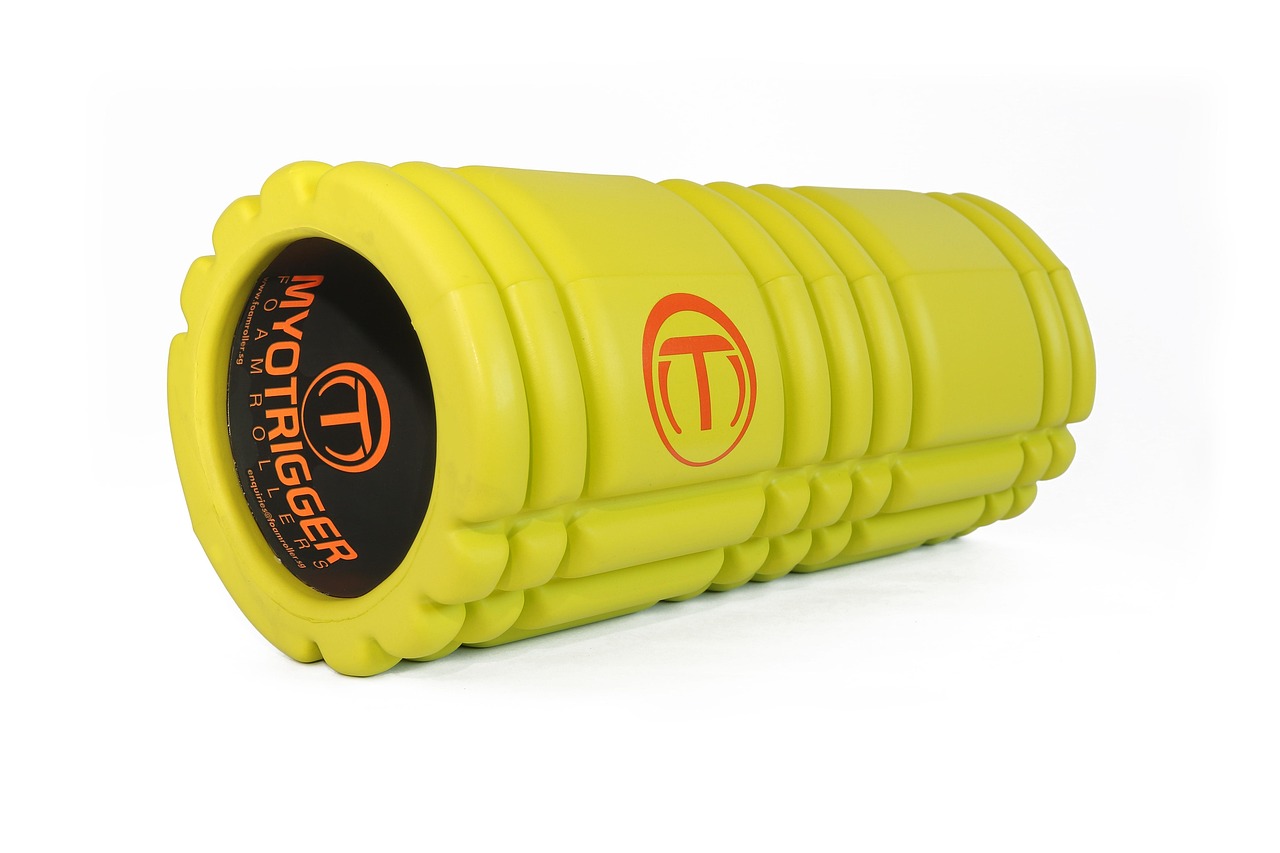
The market offers a wide range of foam rolling tools designed to cater to different needs. Options include various sizes and textures of foam rollers—including firm and soft varieties—each serving distinct purposes. For instance, a smooth foam roller provides a gentler experience, perfect for beginners or sensitive muscles. On the other hand, a textured roller features ridges that enhance the pressure on specific muscle areas, deeply penetrating tissues. Additionally, there are smaller tools such as massage balls and roller sticks that allow for more targeted pressure on hard-to-reach areas. It’s essential to familiarize yourself with the types available to select the best option suited for your body. Regardless of the tool chosen, consistency is key for reaping the full benefits from foam rolling. Allocate sufficient time after your runs to ensure that all muscle groups experience the benefits. Don’t hesitate to explore videos or guides online that demonstrate foam rolling techniques and provide additional insights. Regularly investing time into using these tools will lead to improved performance and reduced risk of injury as you train for your next marathon.
In the context of overall training and recovery, foam rolling should not be viewed as a standalone method. Instead, consider it a complementary practice combined with other recovery strategies. A holistic approach involves maintaining proper hydration, consuming a balanced diet, and allowing enough time for rest and sleep. Integrating yoga or stretching into your routine can enhance flexibility, reducing tightness in the muscles. Listening to your body’s signals is crucial for preventing injuries during training. If you feel discomfort, prioritize recovery sessions that include foam rolling, stretching, and light activity. Engaging in active recovery will keep your muscles engaged without causing further strain. Additionally, seeking guidance from a physical therapist can provide professional insight into specific areas requiring focus. They can help develop tailored foam rolling routines suited to your individual needs, ensuring optimal training and recovery. While foam rolling is a powerful tool, diversifying your recovery tactics will build a well-rounded program, helping you stay on track for your marathon goals. Embrace various practices that work harmoniously, optimizing your performance on race day.
Conclusion: Embrace Foam Rolling Practice
Incorporating foam rolling into your marathon training routine can revolutionize how you recover and prepare for races. This simple yet effective practice promotes muscle recovery, reduces the risk of injury, and even fosters mental well-being. As you become more familiar with your body’s needs, the benefits of foam rolling will become increasingly evident. Establish a dedicated foam rolling schedule, integrating it seamlessly with your training regimen. Over time, consider experimenting with various foam rolling tools, modifying techniques to discover what works best for you. Remember, this practice should be enjoyable and approached with a spirit of self-care. Acknowledge the importance of longevity in your running journey, allowing foam rolling to play a significant role in maintaining health and performance. By prioritizing this recovery method, marathon runners can optimize their training experience and create lasting positive effects. Ultimately, consistent foam rolling will enhance not only physical performance but also amplify the joy of running. As you put in the miles, stay committed to this practice, ensuring you cross the finish line feeling strong and accomplished.
Marathon training is a demanding journey, and effective recovery is crucial for success.