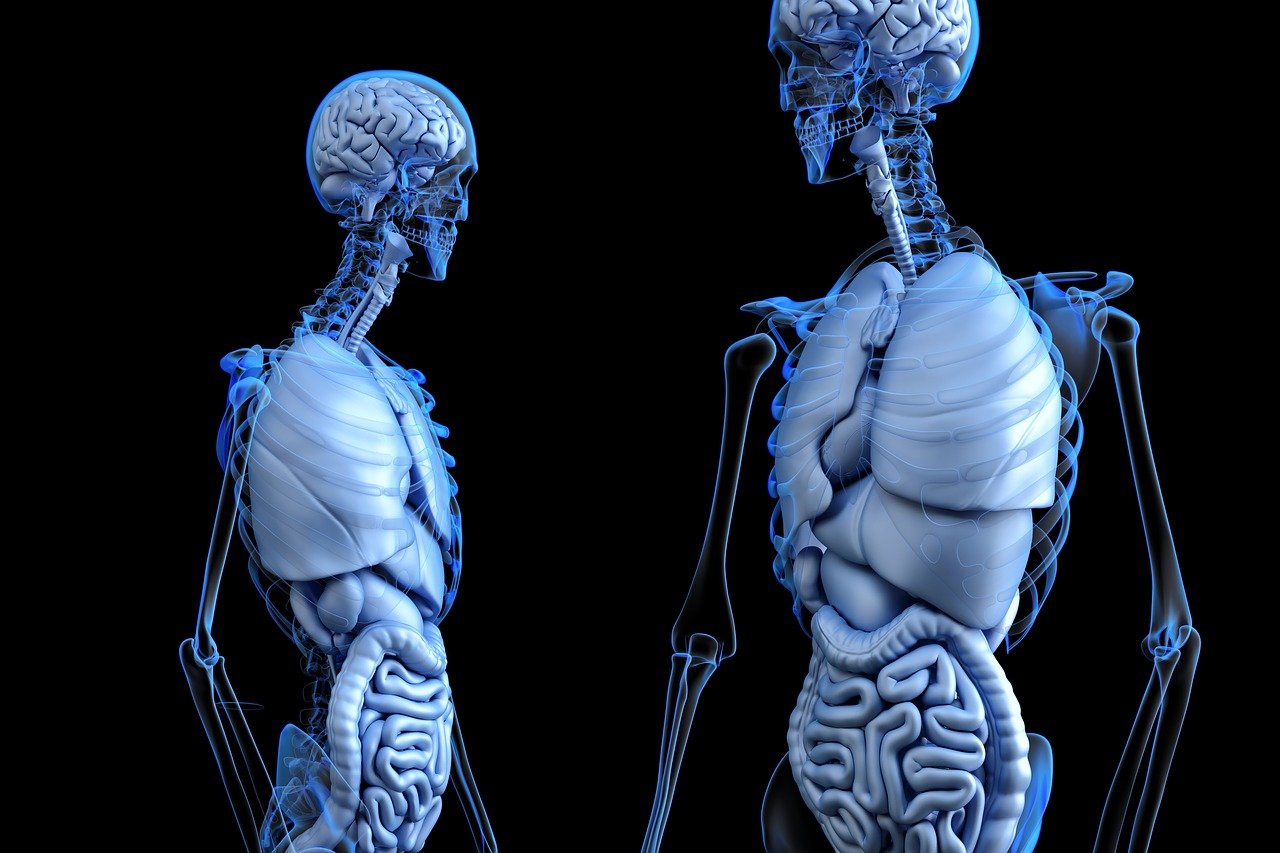

The Gut-Brain Axis: Neuroscience of Mental Health and Digestion
The relationship between the gut and the brain has garnered significant attention in recent years. The gut-brain axis refers to the bidirectional communication network between these two vital systems. Research shows that gut health can influence mental health, demonstrating the importance of a balanced diet for emotional stability. Neurotransmitters, which are often associated with mental health, originate in the gut. For example, about 90% of serotonin, a key neurotransmitter influencing mood, is produced in the intestines. Additionally, gut microbiota play a critical role in this process. The diverse community of bacteria in our intestines can affect the function of neurotransmitters and hormones affecting mood. Therefore, nurturing gut health may help mitigate various mental health issues such as anxiety and depression. To support this connection, one should consider incorporating gut-friendly foods. Fermented foods, like yogurt and sauerkraut, promote the growth of beneficial bacteria. In contrast, processed foods may disrupt gut microbiota and thereby negatively impact mental states. Hence, focusing on nutrition is fundamental for overall well-being, underlining the importance of the gut-brain relationship in neuroscience today.
In addition to dietary factors, lifestyle choices significantly affect the gut-brain axis. Physical activity, stress management, and sleep quality are crucial components in maintaining overall mental health. Exercise is particularly important; studies show that it releases endorphins and promotes a balanced gut microbiome. Engaging in regular physical activities, even moderate exercise, supports mental health by alleviating symptoms of anxiety and depression. Furthermore, stress management practices, such as mindfulness and meditation, can improve gut health. Managing stress leads to lower levels of cortisol, which can otherwise disrupt gut function and composition. Good sleep quality, on the other hand, is essential for both mental health and digestion. Adequate sleep is intertwined with cognitive processes, emotional regulation, and even gut microbiota diversity. Therefore, ensuring daily routines incorporate sufficient physical activity, effective stress management, and quality sleep is paramount. This holistic approach fosters a more resilient gut-brain axis, thus promoting mental well-being. Emphasizing these elements can create a positive cycle, enhancing emotional health and, in turn, supporting digestive health. Improving these aspects leads to a healthier lifestyle and stronger connections between the gut and the brain.
Role of Gut Microbiota in Mental Health
The gut microbiota plays a substantial role in regulating immune functions and, consequently, influencing mental health outcomes. Various studies reveal complex interactions between the gut microbiome and the central nervous system, indicating that the composition of gut bacteria can alter brain function. For instance, certain bacterial strains produce metabolites, which can ultimately impact neurotransmitter synthesis. These metabolites can influence various aspects of mental health, from anxiety levels to mood stability. Probiotic-rich foods can help cultivate beneficial gut flora, leading to healthier communication with the brain. Additionally, some studies show reduced symptoms in anxiety and depression by enhancing the presence of beneficial bacteria in the gut. Regular consumption of foods rich in fiber supports the growth of these beneficial bacteria, contributing to improved mental health. On the flip side, a diet high in sugars and unhealthy fats can promote dysbiosis, an imbalance in gut bacteria. Dysbiosis is associated with various mental health disorders, making it crucial to focus on nurturing microbiome diversity. Understanding the link between gut microbiota and mental health opens up new avenues for preventive care and treatment options that focus on nutrition to promote emotional wellness.
Neuroscience has begun to unravel the intricate connections within the gut-brain axis, emphasizing the relevance of the vagus nerve as the primary communication pathway. This nerve connects the brain to the gastrointestinal tract, facilitating direct signaling between the two systems. The vagus nerve is responsible for transmitting information regarding the state of the gut to the brain. Research shows that vagal stimulation can significantly influence both physiological and psychological states. By promoting calmness and a sense of well-being, stimulating this nerve has therapeutic applications. Furthermore, individuals with poor gut health often experience heightened levels of vagal tone, leading to negative implications for mental health. Learning how to stimulate the vagus nerve through practices like deep breathing and yoga can boost overall mental well-being. Moreover, studies indicate that some lifestyle interventions can enhance vagal function, leading to better gut health and emotional resilience. The deep integration of gut functions with emotional stability highlights the necessity for individuals to engage in practices that support vagal tone. Therefore, understanding this relationship provides valuable insights into future treatments of mental health disorders.
Implications for Treatment Strategies
Understanding the gut-brain axis opens up new avenues for innovative treatment strategies in mental health care. Traditional approaches, while effective, often do not consider the extensive influence of the gut on brain functioning. By incorporating gut health into treatment plans, healthcare providers can provide comprehensive care for their patients. Dietary modifications focused on promoting gut health can be combined with conventional therapies for effective treatment outcomes. For example, a diet rich in omega-3 fatty acids, antioxidants, and fibers can work synergistically with medications for anxiety or depression. Furthermore, prescribing probiotics has shown promise in clinical settings. These supplements help restore healthy gut bacteria, providing a supportive environment for mental health recovery. By understanding the correlations between gastrointestinal health and mental well-being, practitioners can develop holistic treatment frameworks. Integrating psychological, nutritional, and lifestyle changes may provide a multifaceted approach to mental health care. Psychotherapy combined with nutritional guidance can promote sustainable change for long-term benefits. Therefore, understanding the gut-brain connection is not only a scientific breakthrough but also highlights a necessary shift toward more effective treatment modalities.
There is a growing body of evidence suggesting that the community of bacteria residing in the gut profoundly impacts stress responses and emotional regulation. Individuals with higher stress levels often exhibit unfavorable changes in gut composition. These changes could weaken the gut-brain connection, fostering a cycle of worsening mental health. Gut permeability, commonly referred to as ‘leaky gut,’ can further exacerbate these issues. Increased gut permeability allows harmful substances to enter the bloodstream, leading to inflammation and eventually affecting brain health. Consequently, maintaining a balanced diet rich in prebiotics and probiotics becomes essential. These substances nurture beneficial gut flora and maintain gut integrity. Additionally, learning effective coping mechanisms for stress is crucial in mitigating its impact on gut health. Mindfulness practices, physical activity, and social support are positive strategies that reinforce the mind-gut connection. As research continues, addressing the psychological aspects of gut health becomes imperative for reducing anxiety and improving mood. These insights reflect a forward-thinking approach to mental health, focusing on the interplay between psychological well-being and gut health for a more comprehensive understanding of emotional resilience.
Future Directions in Research
As research deepens, the exploration of the gut-brain axis will likely unveil more intricate details about how gut health influences mental well-being. Future studies may explore specific bacterial strains that confer the most significant benefits for mental health, leading to targeted probiotic therapies. Understanding genetic susceptibilities and their interactions with microbiota could provide personalized approaches for mental health management. Additionally, investigating how lifestyle factors like sleep, diet, and exercise interplay with gut health will aid in developing comprehensive wellness strategies. Furthermore, exploring the impacts of environmental factors, such as exposure to pollutants or dietary chemicals, on the gut-brain connection could provide valuable insights into the prevention of mental health disorders. Expanding the focus on underrepresented populations in studies will ensure broader applicability of findings. As breakthroughs continue, integrating neuroscience and nutrition will foster enhanced treatment options, paving the way for holistic approaches to mental health care. The growing acknowledgment of gut health symbolizes a transformation in mental health paradigms, indicating promising horizons for scientific discovery and therapeutic interventions.
In conclusion, the gut-brain axis is a fundamental concept linking physiological and psychological health. The interplay between the two systems reveals that nourishing the gut significantly impacts emotional stability and overall mental well-being. Practicing a balanced diet, engaging in regular physical activity, and implementing effective stress management techniques are vital strategies for nurturing a healthy gut. By recognizing the role of gut microbiota in mental health, individuals can make informed lifestyle choices that foster emotional resilience. Moreover, as research continues to discover more about this complex relationship, the potential for innovative treatment options increases. Healthcare providers have the opportunity to leverage the knowledge of the gut-brain connection in crafting personalized care plans for patients. By integrating nutritional support and modern therapies, treatments can become more comprehensive, addressing the root causes of mental health issues. Ultimately, emphasizing gut health reinforces the significance of holistic approaches to mental well-being. Encouraging awareness of this connection empowers individuals to take charge of their mental health, promoting healthier lifestyles. A focus on the gut-brain axis stands to transform the landscape of mental health treatment, heralding a new era of understanding and care for emotional health.