
Preparing Meals to Combat Post-Workout Fatigue
Preparing nutritious meals for post-workout recovery is essential in combating fatigue. After a rigorous workout, the body requires protein, carbohydrates, and fats to replenish energy stores and repair muscle tissues. Make sure to start your meal prep with a focused plan. Incorporate a variety of ingredients to make meal preparation not only satisfying but also effective. Consider foods rich in protein such as chicken, turkey, tofu, or legumes, which help rebuild muscles. Carbohydrates like brown rice, quinoa, or sweet potatoes are ideal for energy replenishment. Don’t forget healthy fats found in avocados, nut butters, and olive oil that assist in cellular repair. Pre-meal prep can save you time post-gym and provide nutrients your body craves. Use containers for easy storage and quick access. Aim to prepare meals in bulk, allowing options throughout the week. Finally, employing spices and herbs can enhance flavors while providing extra health benefits. Remember, planning your post-workout meals can significantly influence how effectively you recover and perform in subsequent workouts.
Selecting the Right Ingredients
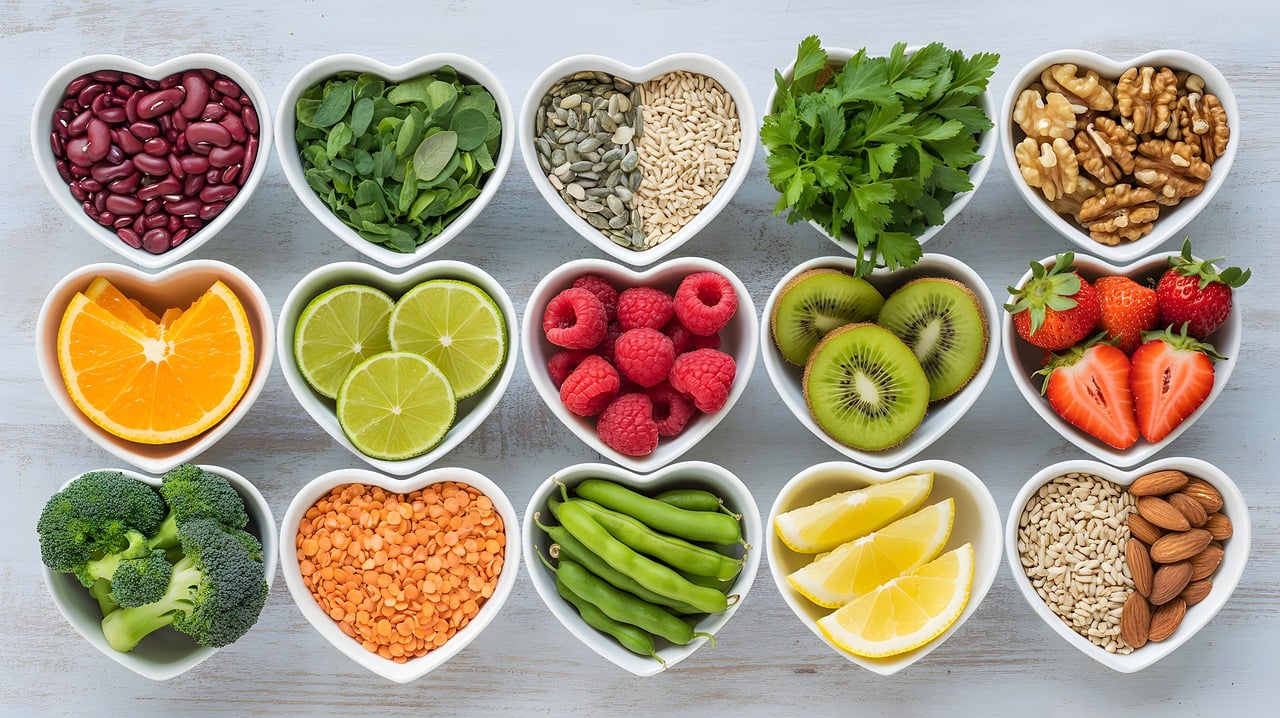
When planning post-workout meals, it is crucial to select the right ingredients to support recovery. Focus on incorporating nutrient-dense foods that deliver vitamins and minerals. Fresh vegetables, such as spinach, kale, and bell peppers, provide essential greens that contribute to overall recovery. Also, consider fruits like bananas, berries, or oranges which can supply antioxidants, fostering the healing process. As protein sources, opt for lean meats or plant-based options to ensure your body has ample amino acids. Grains should be whole grain instead of refined, promoting sustained energy release, which is vital after exercise. When preparing snacks, protein bars or smoothies can quickly refuel your body on the go. Including a variety of foods not only prevents boredom but ensures you gain diverse nutrients throughout the week. This approach supports muscle recovery, balances energy levels, and keeps your immune system strong. Ensure you plan meals that meet your caloric needs while aligning with personal dietary preferences. Meal prepping with these ingredients allows for on-the-go options suited for busy lifestyles, making recovery simpler.
Another effective strategy for combating post-workout fatigue is to ensure proper hydration. Hydration plays a critical role in overall recovery and performance, especially during and after workouts. Be sure to include water or electrolyte-enriched beverages in your post-workout diet. In addition, consider incorporating coconut water or homemade sports drinks, which help replenish lost electrolytes during intense physical activity. Consuming fluids post-exercise aids metabolic functions and promotes faster recovery. Always assess your hydration levels after your workout; thirst is usually a sign that you need to hydrate. Also, be mindful of electrolyte balance, particularly sodium and potassium, which can be lost through sweat. For those engaged in prolonged or high-intensity training, a focus on electrolyte levels becomes even more crucial. Planning meals around hydration, by infusing fruits into your water or choosing soups and smoothies, can increase your fluid intake while enjoying your meals. As you write your meal plan, include hydration strategies to ensure you recover effectively and avoid fatigue throughout the week.
Meal Prep Techniques for Success
Adopting effective meal prep techniques can streamline your cooking process, making it easier to combat post-workout fatigue. Start by organizing your kitchen space for comprehensive meal prep. Set aside a specific day each week when you can dedicate time to cooking and preparing meals. Batch cooking on weekends, for example, can help you prepare multiple meals efficiently. Use large pots and pans to prepare items like grains or legumes in bulk, then portion them out for future meals. Also, consider freezing portions to maintain freshness; this way, you always have a meal ready to go. Investing in quality containers can aid in easy storage while keeping your meals organized. Labeling containers with meal types and dates ensures you use food when it is fresher. Incorporating quick recipes that take less than 30 minutes to execute can be beneficial, especially for post-workout meals when time is of the essence. Utilize shortcuts like pre-chopped vegetables or pre-cooked grains to save time without sacrificing nutritional value during meal prep.
Staying committed to a post-workout meal plan requires motivation and variety in food choices. Incorporating different cuisines can help keep meals exciting while ensuring they are nutritious. Explore different types of cuisines that align with your dietary goals. For instance, consider making a hearty chili packed with beans for protein or a Mediterranean bowl with quinoa, chickpeas, and fresh vegetables. Having a repertoire of diverse recipes can help you stay engaged with your meal prep routine. Additionally, experimenting with global flavors can introduce new nutrients to your diet that may not be present in your usual meals. Don’t hesitate to tweak traditional recipes to enhance their health benefits or suit your dietary needs. Being mindful about seasoning can significantly enhance the taste of your dishes without adding extra calories. Always ensure the meals you’re preparing remain balanced, providing the necessary macronutrients your body needs to recover. Making such adjustments means you will stay enthusiastic about your meal prep while effectively fighting off post-workout fatigue.
Balancing Macro and Micronutrients
Understanding the balance of macro and micronutrients in your post-workout meals plays a vital role in recovery. After exercising, your body needs a sourced combination of proteins, carbohydrates, and fats to aid muscle recovery and energy restoration. Generally, aim for a protein source of approximately 20 to 30 grams post-workout, depending on your exercise intensity. Carbohydrates should also accompany your meal since they replenish glycogen stores. However, don’t neglect healthy fats; including small amounts can deliver essential fatty acids needed for recovery processes. Additionally, micronutrients can help with faster healing and recovery. Consider foods that are high in magnesium, zinc, and vitamins such as C and E. These micronutrients can enhance muscle repair while reducing inflammation, allowing you to get back to workouts more quickly. Integrate a variety of whole foods within your meals to maximize both macro and micronutrient intake. Keeping a food diary can help you track meals and determine if you are achieving a balanced diet that promotes optimal post-exercise recovery, setting you up for success in future workouts.
Lastly, personalizing your meal prep routine can enhance your recovery post-exercise. Everyone’s needs are different; it’s essential to consider factors such as body type, fitness goals, and personal preferences when creating your plan. Some may require more carbohydrates for endurance sports, while others may need more protein for muscle gain. Tailoring your meal prep ensures you address your unique nutritional requirements. Ensure you’re keeping track of what works for you, noting energy levels and feelings of fatigue post-exercise. Regularly adjusting your meal composition can lead to optimal health outcomes. Joining communities or forums interested in fitness and post-workout nutrition can provide inspiration and ideas. These spaces can also offer accountability and motivation through shared experiences. Lastly, don’t shy away from seeking the advice of a registered dietitian to help optimize your post-workout meal prepping. A professional can assist you in navigating dietary needs more effectively, ensuring your post-workout meals contribute effectively towards combating fatigue and enhancing your overall wellness.
By implementing these post-workout meal prep tips, you can effectively support your recovery journey. Paying attention to nutrient intake and meal balance will allow you to feel revitalized and ready for your next workout. Consistency is key, and having a solid plan in place will ensure optimal performance while minimizing post-exercise fatigue. To be successful, always remember to explore and adjust your meal prep as you learn what best serves your body. As you discover effective recipes, remain open to experimentation and adjustments in meal components and preparation techniques. Participating in online discussions can provide valuable insights into what others find helpful, adding further variety to your meals. The more you invest in understanding your nutritional needs post-workout, the quicker you will adapt and thrive in your fitness journey. Remember that knowledge gained from experience can be invaluable in perfecting your meal prep strategy over time. Stay committed to your health, and enjoy the journey to recovery as you battle post-workout fatigue with delicious, nutrient-packed meals.