
Mental Health and Motivation in Postpartum Fitness Journeys
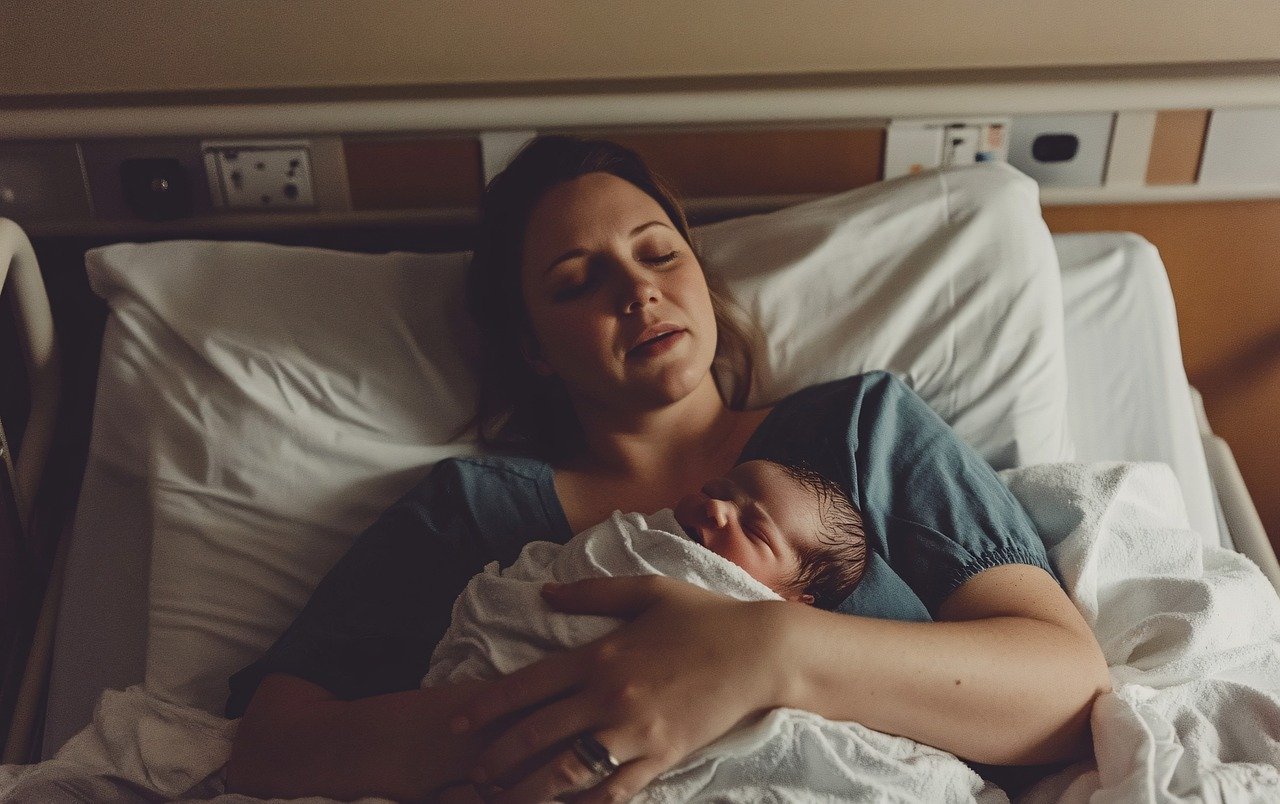
The postpartum period presents unique challenges that can significantly impact a mother’s mental health and motivation levels. During this phase, the body undergoes considerable physical changes, and new mothers might struggle with body image issues, fatigue, and hormonal fluctuations. These factors can lead to feelings of inadequacy, affecting motivation to pursue postpartum fitness goals. Moreover, the emotional burden of parenting can amplify stress, making it even more challenging to engage in self-care routines. Emphasizing psychological wellness is crucial during this time. Seeking support from friends, family, or health professionals can help navigate these challenges effectively. Women should not hesitate to communicate openly about their feelings and struggles. Additionally, establishing a balanced routine that integrates fitness seamlessly into daily life can promote both mental clarity and physical health. Regular exercise has been shown to alleviate symptoms of postpartum depression and anxiety significantly. Setting realistic fitness goals, engaging in enjoyable activities, and celebrating small victories can foster positive reinforcement, ultimately enhancing motivation. Therefore, mental health plays a pivotal role in achieving postpartum fitness ambitions.
Developing a balanced approach is essential for postpartum fitness success. New mothers must prioritize their mental wellbeing while pursuing health goals. Mental health struggles can vary widely after childbirth, leading to potential feelings of isolation. Understanding these dynamics can empower mothers to seek the necessary help. Creating connections with other new mothers can build a support network promoting emotional and physical wellness. Participating in group fitness classes can encourage social interaction and a sense of belonging. Additionally, celebrating each step of progress, no matter how small, can enhance emotional resilience and motivation. A healthy mindset facilitates the process of reaching fitness targets. Embracing the positive outcomes of physical activity, such as increased energy and improved mood, can help counterbalance the inherent challenges that arise. Furthermore, mothers should remain aware that perfection is not the goal; the journey is worth recognizing. Establishing a routine does not need to be overwhelming—or all-consuming. Incorporating recreational activities that promote joy and relaxation into daily life can foster both mental and physical health. With time, patience, and support, new mothers can overcome postpartum fitness challenges. Finding balance is crucial to creating lasting change.
Adapting Fitness Goals for Mental Wellness
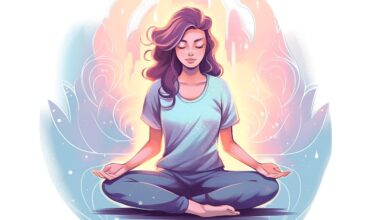
Adjusting fitness goals after childbirth often leads to enhanced motivation levels among postpartum women. Recognizing that fitness is a journey rather than a competitive race is vital. New mothers should embrace their individual paths and tailor their goals accordingly. The importance of focusing on self-care cannot be overstated. Constructing realistic and achievable fitness objectives can substantially promote confidence, reducing feelings of overwhelm. For example, starting with short and manageable workouts may foster a sense of accomplishment. Additionally, finding activities that bring joy can play a significant role in sustaining motivation. When mothers enjoy their chosen activities, they are more likely to stick with them over time. Engaging in these routines not only supports physical health but also nurtures emotional wellbeing in the process. The social component of exercise can further enrich the experience. Collaborating with friends or joining fitness groups can encourage accountability while building connections with others who share similar experiences. Restorative practices such as yoga and mindfulness can be particularly effective in maintaining mental well-being. These methods promote relaxation while integrating physical fitness into daily life seamlessly.
The emotional challenges associated with postpartum fitness must be addressed proactively. Women often face a range of conflicting emotions, including joy, fear, and disappointment. It is important to validate these feelings and understand that they are part of the journey to overcoming postpartum fitness challenges. Mental resilience plays a significant role in promoting consistency. Mothers can work on self-compassion as they learn to navigate these emotional waters while seeking growth in their fitness journeys. Another crucial factor involves educating oneself about postpartum health and fitness. This understanding can empower women to make informed decisions regarding their exercise routines. Numerous resources are available, including books, online programs, and fitness classes specifically tailored for new mothers. Moreover, celebrating successes, both big and small, is fundamental in fostering a positive mindset. Tracking progress through journaling or app usage can provide motivation while offering valuable insights into personal development. As mothers begin to reclaim their physical fitness, they may also experience an uplift in self-esteem. This positive reinforcement is essential for maintaining a commitment to long-term wellness, highlighting the interconnected nature of mental health and fitness during the postpartum period.
Creating a Supportive Environment
A supportive environment can greatly influence mothers’ mental health and fitness motivation postpartum. A healthy space can be nurtured through strong relationships with friends, family, and health professionals who understand these challenges. Open communication fosters a supportive environment in which mothers feel empowered to share their experiences and emotions without judgment. In addition, it is crucial to actively seek resources that can help in establishing a nurturing atmosphere. Involving partners in the fitness journey can promote teamwork and alleviate the burdens associated with solo efforts. Family and friends who encourage physical activity can serve as motivation for new mothers to adhere to their fitness plans. The incorporation of fitness easily into daily routines can also promote a more encouraging environment, leading to success. For instance, taking walks with a baby stroller or joining community fitness classes can bring a sense of belonging. Additionally, online communities can provide valuable support, sharing experiences helpful tips. This combination of emotional and practical support creates the foundation for managing postpartum fitness challenges while improving mental health.
The role of self-compassion in postpartum fitness journeys is particularly significant. Embracing a kinder, gentler approach when facing hurdles can foster long-term success and resilience. Many mothers tend to be overly critical of themselves, especially regarding body image and fitness accomplishments. Replacing self-criticism with nurturing mindsets enables a more productive approach to fitness. Acknowledging that setbacks are to be expected creates space for grace and understanding in difficult situations. Through mindfulness practices, mothers can connect with their thoughts and feelings on a deeper level. Journaling, meditation, or engaging in supportive group discussions provide means of reflecting and processing experiences. This reflection can lead to improved mental clarity and enhance motivation surrounding fitness goals. Redefining personal success standards fosters a healthier relationship with fitness and mental wellbeing. Setting aside time for personal development and self-care strengthens this bond. By prioritizing mental health, mothers can ultimately support their emotional resilience. These internal shifts can create lasting changes, allowing fitness goals to evolve into more than physical accomplishments. More importantly, they transform into vital components of a holistic, healthy lifestyle.
Final Thoughts on Postpartum Fitness
In conclusion, mental health, motivation, and postpartum fitness journeys are intertwined in complex but manageable ways. Understanding the nuances of these relationships can empower new mothers to thrive in their fitness pursuits. It is essential to address challenges associated with mental health proactively and create strategies supporting emotional and physical wellness. Doing so not only facilitates the journey towards fitness goals but also enhances overall quality of life. Engaging in enjoyable activities, creating a supportive network, and practicing self-compassion are key components in forging successful pathways. New mothers should embrace the understanding that fitness is a journey that demands time, patience, and flexibility. Prioritizing mental health alongside physical health fosters a healthier relationship with fitness as mothers navigate this period of growth and transformation in their lives. Through these intentional efforts, postpartum fitness becomes a celebration of strength and resilience. Ultimately, the outcomes of emotional wellness and fitness achievements extend beyond individual experiences, contributing to family dynamics and community well-being. This synergy allows new mothers to embrace their postpartum journeys as opportunities for holistic healing and overall personal development.
The postpartum journey is unique for each mother, filled with challenges and triumphs alike. Understanding the complexities of mental health and motivation within this context can lead to true empowerment and success.