
Advanced Gym Etiquette: Tips for Keeping Your Workout Area Organized
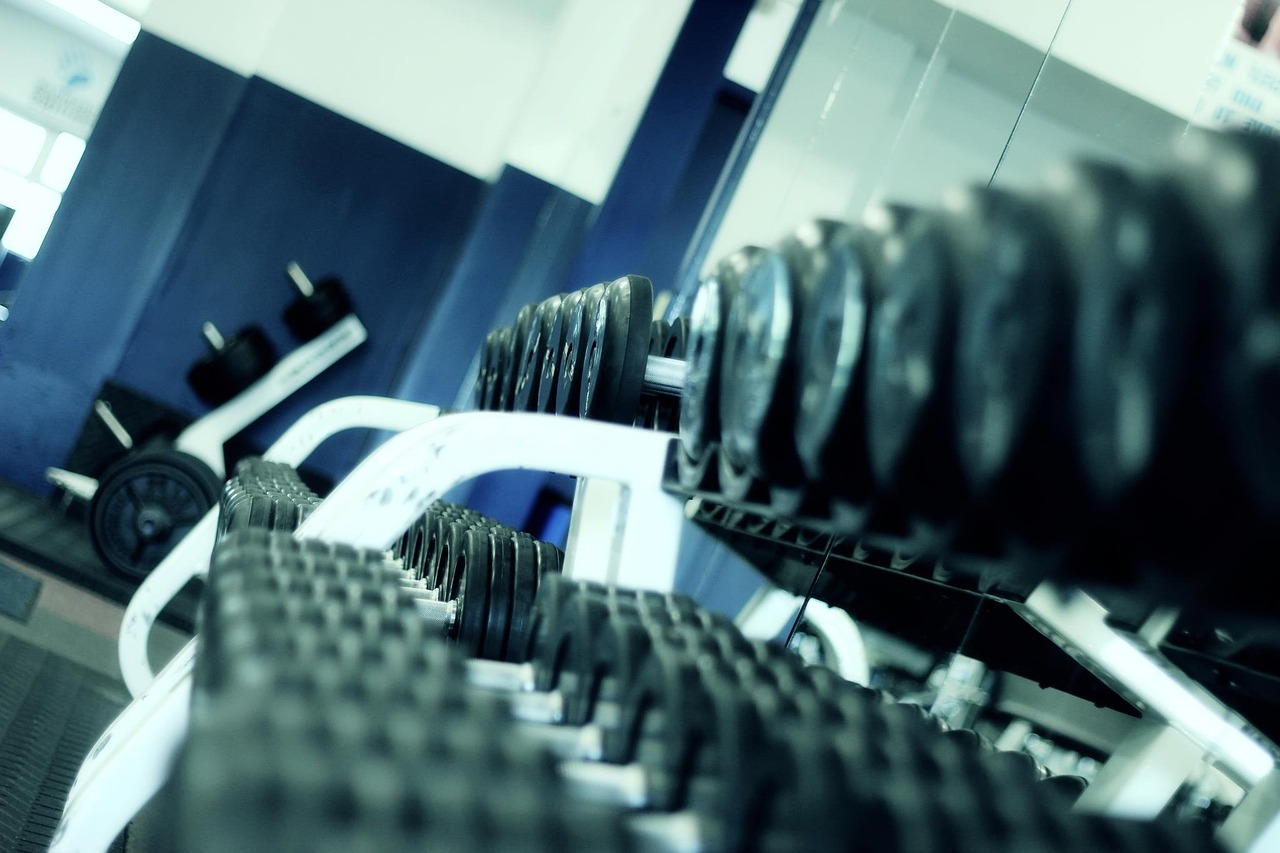
When at the gym, one of the most important aspects of etiquette revolves around keeping your workout area organized. After using equipment or weights, always return them to their designated spots. Not only does this show respect for fellow gym-goers, but it also helps maintain a safer environment, reducing trip hazards. If you move items around during exercises, make sure to return them. Additionally, be aware of your surroundings. If you’re using heavier weights or larger machines, ensure that there’s ample space for others. This prevents uncomfortable situations where people might be waiting to use a machine or area. If you’re in a crowded gym, anticipate potential interruptions and adjust your exercises accordingly. Another great tip is to utilize towels or mats, as they not only assist with personal hygiene but also mark your workout area. By leaving a small clean space around your station, others are less likely to encroach on your area while still allowing them to access other equipment. Treating shared spaces with consideration greatly benefits everyone’s experience.
After considering spatial awareness, it’s also crucial to maintain cleanliness in your workout area. Sweating is a natural part of exercising, but it can lead to unpleasant conditions if left unattended. Always carry a towel with you and use it to wipe down equipment after each use. This keeps surfaces clean for the next user. Most gyms provide sanitizing wipes or sprays that can be utilized in addition to your towel. If not, consider bringing your own disinfectant to promote hygiene. Additionally, be mindful of personal items. If you have water bottles or gym bags, keep them stored in appropriate places so they don’t crowd walking paths or impede other gym-goers. Gym lockers are great options for stowing away personal belongings. Efficient organizational habits can prevent accidents and promote a more enjoyable workout atmosphere. Standing on personal equipment stowed beside your setup helps visualize how much space you need while also setting a precedent for others. Think about training etiquette as teamwork. By establishing and contributing to a clean, organized environment, you’ll help foster a positive atmosphere conducive to everyone’s fitness goals.
Respecting Time and Equipment
Another essential component of advanced gym etiquette is respecting both time and equipment. Every member’s time is valuable; therefore, try to minimize your time on machines if other people are waiting. If you take longer than usual during peak hours, it may lead to frustration for others wanting to complete their workouts efficiently. Consider alternating sets with other gym-goers on popular machines, allowing for a more communal exercise experience. Alongside time management, being considerate of gym equipment also plays a crucial role. When utilizing weights or machines, avoid hogging them for extended periods. This helps maintain an uninterrupted flow in the gym. Additionally, ensure you’re using equipment properly and safely. Misuse can not only damage the equipment but may lead to injuries as well. Regularly inspect machines and notify staff of malfunctions since working equipment benefits everyone. If you see someone struggling with a piece of equipment, offer assistance without being intrusive. Lending a hand can forge connections, enhance community spirit, and create a more supportive gym environment conducive to positive experiences for everyone involved.
In terms of personal barriers, appropriate attire contributes significantly to the gym’s respectful ambiance. When selecting workout clothing, aim for outfits that are fitting yet comfortable. Avoid overly revealing clothing that may draw unnecessary attention or distract others. Wearing appropriate, breathable fabrics can boost your workout performance while also creating a professional gym atmosphere. Footwear is equally as critical. Low-profile trainers are recommended for mechanical support and comfort during workouts. Before class-oriented sessions like yoga or spin, check the prerequisite attire. This ensures you feel confident while setting a good example for others attending as well. Furthermore, headphones can indicate whether someone is open to conversation or prefers to focus on their workouts. If you find that someone approaches you while wearing headphones, be conscious and respectful of their signal. Being aware of non-verbal cues reduces disturbances and allows others to complete their sessions without interruption. Ultimately, dressing appropriately enhances your own workout experience while also contributing to a respectful gym culture that everyone can enjoy.
Communicating Effectively
Effective communication is vital in a gym setting to foster a sense of community while maintaining respect for individual space. When sharing equipment, use clear verbal cues to coordinate with others about turns. Briefly discuss your workout plan before embarking on mutual rotations. This can assist in developing camaraderie as well as organize the shared use of machines. Additionally, if someone approaches you for assistance, be gracious in offering tips, as long as it’s desired. People who take time to help fellow gym-goers often find that it strengthens their relationships within the fitness community. However, it’s essential to be aware of sensitivity when providing advice, as personal experiences might differ. Keep your language inclusive and constructive to promote comfort and understanding. Beyond conversations, non-verbal communication can also help strengthen connections. Maintain eye contact while engaging with others and employ encouraging body language. Simple gestures such as smiles and nods can uplift fellow gym enthusiasts, creating a motivating and friendly atmosphere overall. Remember that clear, respectful communication allows everyone to enjoy a more enriching gym experience filled with support and motivation.
The gym is not solely a place for working out; it’s a space to cultivate and foster relationships. Building connections with others can boost motivation and make fitness journeys more enjoyable. Consider joining group classes or workshops, as they allow for interaction while challenging individuals positively. Group environments often encourage camaraderie by skill sharing or motivational support. Additionally, online communities can facilitate connections beyond physical space. Many gyms offer apps and forums where individuals can find training partners or share fitness progress. Engaging in these online spaces enhances accountability and builds networks that motivate collective growth. Moreover, social media challenges can encourage gym-goers to unite with their combined goals. Exchanging tips, routines, and ideas boosts enthusiasm while creating a collaborative atmosphere. However, ensure that social media content stays positive; discourage comparisons and negativity to promote healthy interactions. When everyone uplifts one another, it fosters a supportive community centered around collective growth. By embracing these connections and experiences, fitness enthusiasts can make their journey not just about the workout but also about nurturing friendships and promoting balanced well-being—both inside and outside the gym.
The Importance of Feedback
Lastly, understanding and given constructive feedback is essential to enhance gym etiquette success. Whether receiving insights from trainers or peers, what isn’t shared often holds developmental opportunities. Be open to constructive criticism from qualified trainers and be willing to glean valuable knowledge that may improve your workout routine. Embrace changes that boost performance and deepen your understanding of each exercise or machine. Likewise, extend your skills by offering recommendations to others as well. If someone appears to struggle with an exercise technique, politely suggest insights that have worked for you. Remember to highlight encouragement rather than criticism in your advice. This promotes a culture of shared growth while developing trust and rapport in the gym environment. Additionally, be receptive to feedback regarding your own sensibilities. If others on social media mention how they perceive your workouts, acknowledge both positive and constructive insights graciously. Engaging in dialogues about fitness goals and methodologies can lead to new approaches and enhanced camaraderie. Ultimately, by encouraging feedback and uplifts the entire community, everyone can reach their fullest potential while keeping the gym a realm of positivity.
In conclusion, applying advanced gym etiquette practices contributes significantly to creating an enjoyable workout experience for everyone involved. Respecting shared spaces, maintaining cleanliness, and adhering to communication norms fosters mutual respect and encourages positive connections. Promoting teamwork while actively participating in the gym community can lead to impressive personal growth while enhancing social ties. Adopting these guidelines from time management to effective communication helps individuals succeed in achieving their fitness goals while encouraging a shared mindset of mutual support. By embracing this etiquette, members can feel a heightened sense of camaraderie, leading to confidence and motivation for improved workouts. Remember to respect individuals’ boundaries while promoting inclusivity and encouragement in your dialogue. Every small gesture helps cultivate a personal gym environment where individuals feel valued and respected. As you embark on your fitness journey, use the tips mentioned in this guide to enhance both your experience and those of fellow enthusiasts. Together, we can transform our workout spaces into areas of growth, camaraderie, and shared accomplishments that embody the spirit of fitness, health, and community well-being.