
The Impact of Dance Fitness on Body Confidence
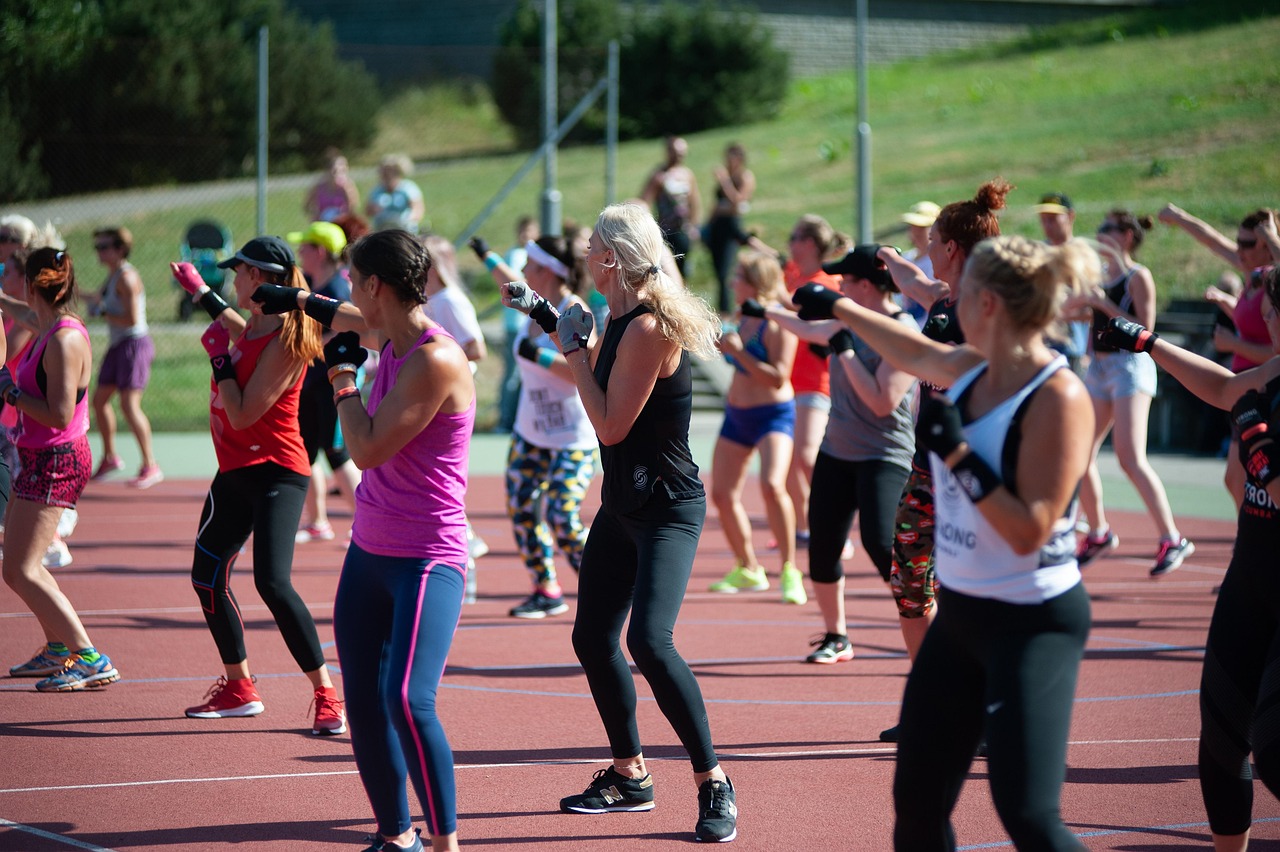
Dance fitness has emerged as one of the most engaging ways to improve overall health and wellness. It offers a unique blend of exercise and creative expression that can significantly influence body confidence. Through rhythmic movements, individuals often find themselves embracing their physicality in new ways. Classes cater to various skill levels and styles, inviting people from diverse backgrounds to join. Additionally, the communal atmosphere fosters friendships and connections, which play a crucial role in personal development. Many participants report an increase in self-esteem following regular sessions. The supportive environment encourages individuals to let go of self-judgment, promoting acceptance of their bodies as they are. Instructors often emphasize enjoyment over perfection, allowing individuals to focus on their progress rather than comparing themselves to others. This mindset shift can be transformative, leading to a positive body image.
Some popular dance fitness styles include:
- Zumba
- Piloxing
- Dance cardio
- Ballet fitness
By participating in these classes, many not only improve fitness but also gain empowerment.
Boosting Self-Esteem Through Movement
One of the most profound impacts of dance fitness is how it contributes to boosting self-esteem. As participants learn new dance routines, they often experience a sense of accomplishment that translates into greater body confidence. Achieving milestones, whether they’re mastering a particular move or building endurance, instills a sense of pride. This newfound confidence spills over into other aspects of life, positively affecting interactions and self-perception. Moreover, dance fitness classes often celebrate individual differences in body shapes, sizes, and movements. The focus is not solely on aesthetics but on strength, rhythm, and enjoyment, encouraging individuals to appreciate their unique attributes. This shift in focus can significantly reduce social anxiety and body image concerns that many face. In addition, dance fitness fosters a supportive community, where encouragement and feedback help reinforce positive self-talk. Recommendations from peers inspire individuals, reminding them of their capabilities. The collective energy increases motivation to continue pursuing personal goals. Overall, experiencing enjoyment during dance can effectively combat negative thought patterns, allowing participants to cultivate a more positive relationship with their bodies, which is transformative.
Another vital aspect to consider with dance fitness is how it promotes physical well-being. Engaging in dance not only enhances cardiovascular fitness but also supports muscle toning and flexibility, which are essential for a confident body. Regular movement strengthens core muscles, improves posture, and helps to maintain a healthy weight. As individuals notice these physical changes, their self-image often improves significantly. The agility gained through dance enhances one’s ability to perform daily activities with ease. This newfound agility contributes to a greater sense of physical competence and confidence. Additionally, some dance fitness routines incorporate strength training, further enhancing body image. When participants witness their bodies evolving, performing challenging routines becomes a source of inspiration. The endorphins released during activities create feelings of happiness and fulfillment, making regular attendance at classes appealing. Many individuals report developing a deep appreciation for their bodies as they learn to celebrate their capabilities and growth. Emphasizing health over appearance allows dancers to redefine success in their physical journey. This shift creates a healthier mindset, promoting longevity and self-acceptance in the process of building body confidence.
The Community Connection
A critical component of dance fitness is the sense of community it fosters among participants. People often attend classes as part of a group, forming friendships that enhance the experience of dance. The shared enjoyment of movement creates strong bonds, offering both social support and encouragement. These relationships can lead to increased motivation when it comes to regular attendance and goal-setting. When surrounded by friends, participants are more likely to push boundaries and face challenges with enthusiasm. The social aspects of dance fitness also contribute to improved mental health. Engaging with others during classes helps in alleviating stress and anxiety, promoting feelings of belonging, and reducing feelings of isolation. This connection extends beyond the classroom as many dance fitness groups organize social gatherings and events. Such activities contribute to a sense of belonging, impacting self-esteem positively. Attending fitness classes with friends can also enhance accountability, encouraging individuals to maintain their fitness commitments. As participants celebrate each other’s successes, they collectively strengthen their body confidence, reinforcing the notion that fitness is a personal journey enriched by community.
Another way dance fitness enhances body confidence is through the liberation of self-expression. The act of dancing allows individuals to connect with their inner selves in a freeing manner. This expressive outlet encourages participants to let go of inhibitions, which can lead to a more authentic presence in their bodies. Many feel empowered by the music, leading them to embrace the rhythm and movement without reservations. This liberation encourages creativity and showcases personal style through dance. Engaging in self-expression through movement often results in increased happiness, giving way to a more positive body image. When individuals explore their bodies in this manner, they develop a greater connection to themselves, understanding their strengths and limitations. Furthermore, dance fitness classes often feature a variety of music genres, allowing participants to connect with different beats and styles. This diversity in music can inspire freedom of movement, reinforcing the idea that every body can dance. As participants build confidence in their abilities, they may participate in various dance events or performances, completing their journey toward self-acceptance and body love.
Creating Personal Goals
Setting and achieving personal fitness goals is another way dance fitness contributes to body confidence. As individuals attend classes regularly, they often establish milestones to track progress. These can range from improving skills, increasing stamina, or even learning choreography. Accomplishing these goals can significantly enhance feelings of competence and self-worth. Celebrating small victories reinforces a growth mindset, motivating individuals to continue their dance fitness journey. Furthermore, creating personalized fitness goals allows individuals to focus on what is meaningful to them, leading to a more profound engagement in classes. This tailored approach fosters a sense of ownership over one’s fitness journey, strengthening commitment to practice and improvement. The motivation derived from achieving these goals diverts attention from societal pressures and unrealistic expectations about body image. Instead of comparing themselves to others, individuals emphasize their progress and personal achievements. This shift has tremendous potential to transform self-perception and promote a healthier body image. As participants witness their determination and dedication pay off, confidence blossoms. In essence, dance fitness becomes a powerful tool for shaping body confidence through the lens of personal growth and achievement.
Lastly, the impact of dance fitness on body confidence also arises from its accessibility. Its appeal spans across various age groups, fitness levels, and backgrounds. Many individuals find that dance fitness classes are welcoming environments that celebrate diversity and inclusivity. Regardless of personal ability, everyone can partake in the activity and find joy in movement. This accessibility encourages people who may have previously been reluctant to participate in exercise to give it a try. Additionally, beginner-friendly dance fitness classes often ensure that no one feels out of place, offering modifications and support. This openness allows individuals to ease into the world of dance fitness without feeling pressure. Consequently, many learn to appreciate and love their bodies, regardless of their fitness level. The positive atmosphere surrounding dance classes fosters a safe space to explore and grow. With an inclusive approach, dance fitness can help direct attention toward self-improvement rather than appearance, leading to better health outcomes. In essence, the accessibility of this fitness style further promotes the celebration of body confidence in an encouraging environment.
Final Thoughts on Body Confidence
Ultimately, the impact of dance fitness on body confidence highlights the essential connection between movement, self-acceptance, and community. Through engaging in dance fitness, individuals unlock the potential for personal growth and improved mental well-being. The communal aspect of dance provides support, fostering friendships that enhance motivation. Furthermore, as individuals achieve their goals, embrace self-expression, and develop a greater appreciation for their bodies, confidence flourishes. Dance fitness transcends the traditional notion of exercise, bridging the gap between personal expression and physical well-being. In addition, accessibility ensures that everyone can benefit, regardless of their starting point. By promoting enjoyment and inclusivity, dance fitness encourages a culture of self-love and acceptance. As participants celebrate their bodies and changes over time, they can redefine how they perceive themselves. Through the joy and creativity found in dance, individuals cultivate a positive body image that lasts far beyond the dance floor. Overall, the impacts of dance fitness contribute to a healthier, happier society where self-confidence radiates and brings joy to life.