
How Social Support Enhances Coping Strategies Under Stress
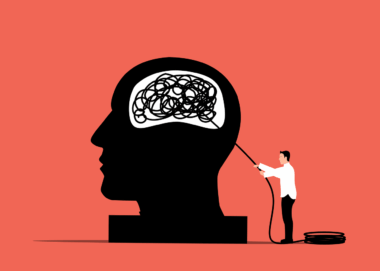
Stress is an inevitable part of life, often stemming from various personal, professional, or environmental pressures. It can impact mental health and overall well-being significantly. Managing stress is critical to maintaining a balanced life, and social support plays a crucial role in this process. Social support comprises the resources one receives from social networks, including family, friends, and coworkers. This support can manifest as emotional, informational, or practical assistance. For instance, having someone to confide in can provide emotional relief, while practical support may involve help with daily tasks. Studies reveal that individuals with strong social connections experience lower levels of stress and better coping mechanisms. They adapt more effectively to challenges, drawing strength from their relationships. Furthermore, social support can buffer against the negative effects of stress, promoting resilience. By cultivating a supportive atmosphere, individuals feel valued and understood, which enhances their ability to face stressors. In this context, it is essential to explore how different types of social interactions contribute to better stress management strategies, establishing a deeper connection between social support and resilience under stress conditions. Understanding these dynamics is vital for improving mental health outcomes.
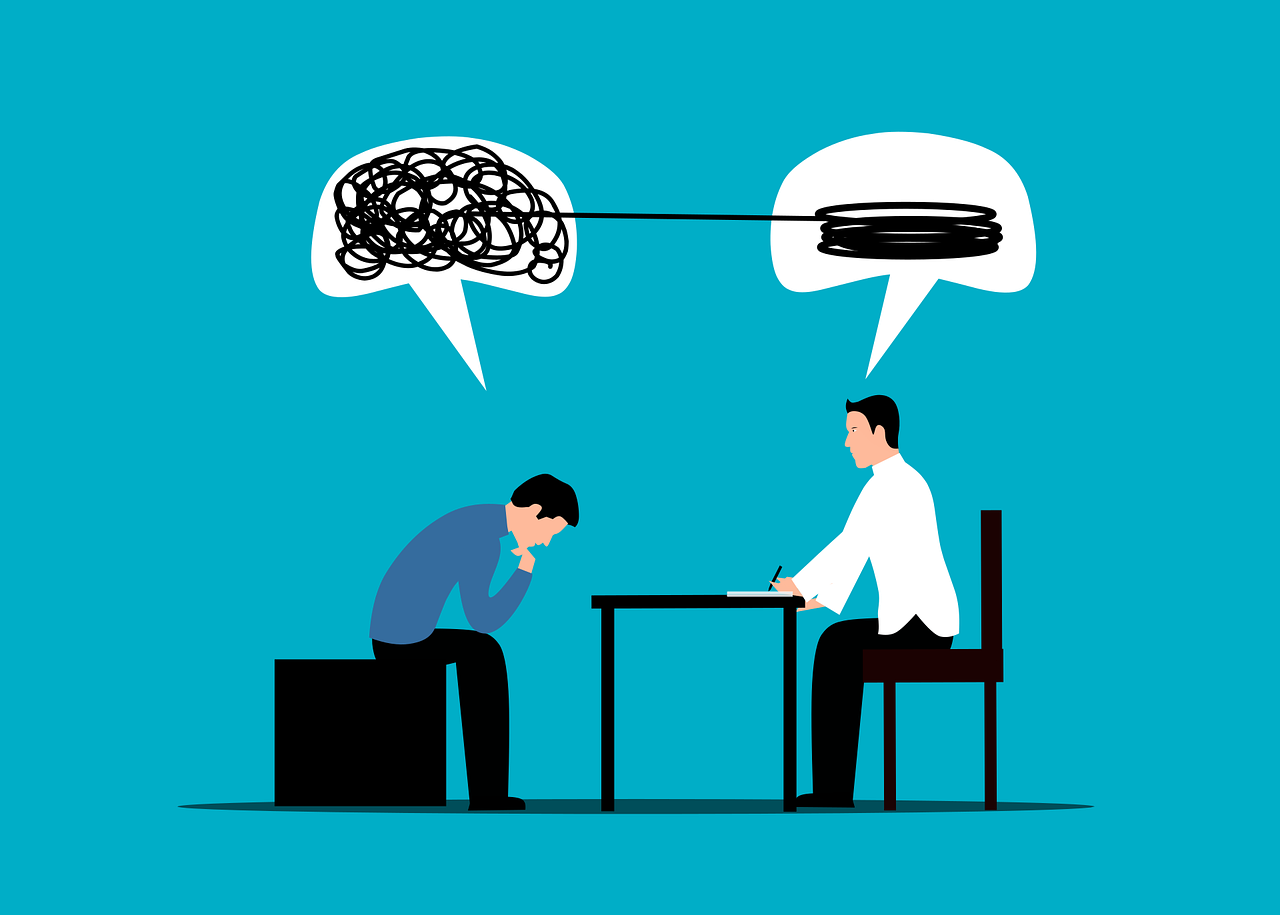
The significance of social support in stress management is multifaceted. Emotionally supportive relationships can help to alleviate feelings of isolation and anxiety that often accompany stress. By sharing experiences and talking about feelings, individuals can gain new perspectives, allowing them to cope more effectively. A supportive friend or family member can offer validation when times are tough, reinforcing feelings of self-worth. Moreover, when facing stressful situations, the guidance and advice offered by trusted individuals can prove invaluable. This exchange not only builds coping skills but also fosters a sense of belonging. Informational support includes sharing strategies and resources that help manage stress, such as time management tips or relaxation techniques. Participation in peer support groups can also facilitate this type of knowledge sharing, enhancing the coping skills of individuals under stress. Being part of a community where others share similar experiences can provide additional motivation and encouragement. Therefore, in stressful times, the combined emotional and informational support from one’s social circle boosts resilience, making it clearer that fostering these relationships is essential. Individuals who actively nurture their connections are better equipped to handle life’s challenges when they arise.
Social support can significantly influence coping strategies during life’s inevitable stressors. For example, individuals with robust support networks often utilize effective coping strategies, such as problem-solving and seeking advice, whereas those lacking support may resort to avoidance or disengagement. This difference is primarily due to the emotional sustenance provided by loved ones, which empowers individuals to confront challenges head-on. The dual process of giving and receiving support promotes feelings of reciprocity and strengthens interpersonal bonds. When individuals feel supported, they are more likely to engage in healthy coping strategies, including exercise, mindfulness practices, or pursuing hobbies. On the contrary, loneliness or a perceived lack of support can lead to negative coping mechanisms such as substance misuse or withdrawal. Emotional exhaustion can occur when individuals feel they face stressors alone, leading to a downward spiral of mental health. This illustrates the importance of recognizing and fortifying social support systems as a foundational aspect of effective stress management. By making intentional efforts to connect with others, individuals can build stronger coping frameworks, contributing to a healthier, more balanced approach to stress. Nurturing these networks also enhances overall well-being.
The Role of Community in Stress Management
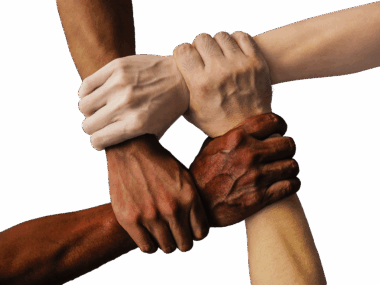
Additionally, community engagement serves as a broader source of social support for individuals experiencing stress. Joining local clubs, volunteer opportunities, or participating in community events fosters connections with others who share similar interests and challenges. This social engagement not only alleviates stress but also reinforces a sense of belonging. Communities can provide a platform for shared experiences, helping individuals realize they are not alone in their struggles. Many people find comfort in knowing that others encounter similar issues, which can reduce anxiety and increase feelings of security within their environment. Furthermore, communities often provide resources, such as mental health services or support groups, that are readily accessible. These resources are vital for individuals seeking guidance in managing stress. By maintaining strong connections with a community, individuals can enhance their coping skills through shared learning and collective wisdom. Group activities promote stress relief through camaraderie, laughter, and support. Emotional bonds formed in community settings can lead to increased resilience in the face of life’s challenges. Thus, fostering a sense of community is integral to building effective stress management strategies through stronger social connections.
Practicing self-care within the context of social support can also enhance coping mechanisms. Self-care refers to the intentional engagement in activities that promote physical, emotional, and mental well-being. When individuals allocate time for self-care, they reinforce their ability to manage stress more effectively. This process can be enhanced through support from friends and family, as they can provide encouragement to engage in self-care activities. Activities such as exercise, meditation, or creative pursuits can be more rewarding when done in a group setting. Supportive relationships can inspire individuals to prioritize their well-being and hold them accountable for self-care practices. Friends can join in on exercise programs or participate in relaxation techniques together, making it more enjoyable and effective. Additionally, discussing self-care strategies with others can open the door to new approaches and ideas. Establishing a self-care routine with social support helps to build resilience, enabling individuals to cope better with stressors. In turn, a well-maintained self-care practice serves as a buffer against stress, emphasizing the connection between social support and stress management focused on holistic health and well-being. Therefore, meaningful connections enhance the self-care journey.
Interestingly, technology has also precipitated new forms of social support and coping strategies under stress. Online communities, social media, and virtual platforms can bridge distances and foster connections between individuals who may not have easy access to traditional support systems. These platforms allow individuals to share experiences, ask for advice, and receive emotional support from a global audience. While face-to-face interactions remain vital, technology enhances the ways in which people reach out and connect, making support more accessible than ever. For instance, forums focused on stress management and anxiety can provide a non-judgmental space for interactions. Virtual support groups offer anonymity and comfort, making individuals feel safe discussing their struggles. Additionally, various apps designed for mental health provide resources, connecting users to helpful materials and allowing them to track their emotional well-being. However, it is essential to balance online and offline interactions to promote genuine connections. Technology can supplement, but not replace, the depth of human relationships critical for effective coping strategies. Nevertheless, harnessing technology in the realm of support offers transformed pathways to manage stress and build resilience. Utilizing digital resources can enhance traditional support systems effectively.
Conclusion: Fostering Resilience Through Social Support
In conclusion, social support significantly enhances coping strategies under stress, illustrating the necessity of relationships in managing life’s challenges. The emotional, informational, and practical support derived from connections with family, friends, and communities contributes to resilience, providing individuals with resources to face stressors effectively. Both direct engagement and technological avenues for support create pathways for alleviating feelings of isolation and anxiety. By engaging in supportive relationships, individuals not only bolster their coping abilities but also enrich their lives through shared experiences. Ultimately, fostering strong social connections should be seen as a vital aspect of a comprehensive approach to mental health. Emphasizing the importance of nurturing these bonds encourages individuals to prioritize the cultivation of their social networks. This proactive approach to building supportive environments empowers people to navigate stress more effectively, creating a cycle of positivity and resilience. As individuals invest in their relationships, they also invest in their overall well-being. Thus, recognizing and harnessing the power of social support emerges as a critical strategy in combating stress and promoting lasting mental health, paving the path for healthier, happier lives.
Through various examples and reflections on the importance of social support in stress management, it is clear that cultivating such relationships is essential. By sharing, connecting, and receiving support, individuals can navigate life’s challenges more effectively. Establishing a culture of support, whether through family, friends, or community engagements, creates a foundation for resilience. This interconnectedness not only promotes mental health but also fosters personal growth. In the journey of stress management, social support is indeed a powerful ally, enabling individuals to thrive amidst stress and adversity. Prioritizing relationships and nurturing these bonds leads to a more enriching and fulfilling life.