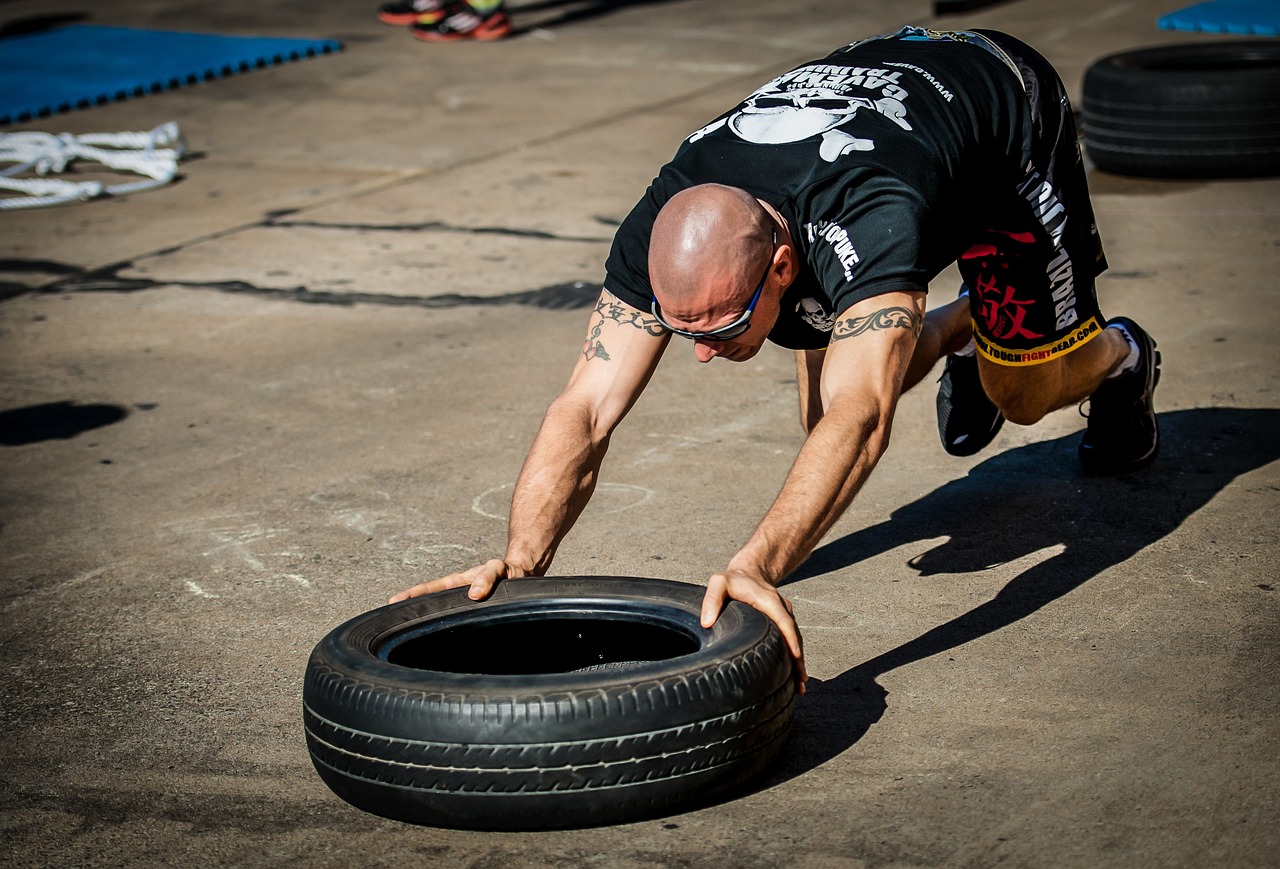

Functional Training and Core Strength: A Comprehensive Approach
Functional training focuses on exercises that mimic everyday activities, promoting better coordination, balance, and strength. One of the primary components of functional training is core strength, which refers to the stability and strength of the muscles surrounding the torso. These muscles include the abdomen, back, hips, and pelvic floor, all working together to provide a solid foundation. The importance of core strength cannot be overstated; improved core stability enhances athletic performance, reduces the risk of injury, and supports overall functional movement. Engaging in functional training can lead to healthier movements in daily life, giving individuals increased confidence and physical prowess. Exercises such as planks, medicine ball throws, and rotational movements target these core muscles efficiently. By integrating core exercises into a functional training regimen, individuals develop strength that translates into real-world activities. The focus on multi-joint and multi-muscle movements not only leads to more effective workouts but also promotes better posture and alignment. This holistic approach is what sets functional training apart, making it essential for anyone seeking to improve their fitness levels while enhancing their overall quality of life.
The Importance of Core Strength in Functional Training
Understanding the relationship between core strength and functional training is vital for athletes and fitness enthusiasts alike. A strong core aids in the stabilization of the body, enabling more powerful and efficient movement patterns. Core strength plays a critical role in maintaining balance and coordination, crucial components for success in various sports and recreational activities. Strong abdominal and back muscles allow individuals to perform complex movements safely. Moreover, functional training incorporates exercises targeting the whole body, promoting muscular balance which further reduces injury risk. Enhancing core strength mitigates the impact of physical stress on the lower back during daily activities. This is particularly important for older adults who may be prone to falls or injuries due to weakened core muscles over time. Research has shown that improved core strength can positively influence functional movements like squatting, lifting, or twisting. Integrating core stability exercises within functional training helps create a robust foundation for athletic skills while increasing overall physical capacity. In summary, cultivating core strength is imperative not just for sports performance but for maintaining an active and healthy lifestyle throughout one’s life.
Functional training is designed to increase strength and flexibility while using the body’s natural movements. This approach encourages the use of various planes of motion rather than traditional isolated strength training. It often includes resistance exercises that utilize equipment like kettlebells, resistance bands, and stability balls. Additionally, incorporating weight-bearing activities enhances physical fitness by stimulating bone health and fitness maintenance. This multifaceted approach not only results in improved muscle tone and cardiovascular fitness but also enhances functional movements in daily life. Repetitive motions in traditional workouts often lead to muscle imbalances, while functional exercises actively correct these discrepancies, promoting overall body synergy. Training the body as a cohesive unit leads to greater efficiency in athletic performance. For instance, a squat engages the entire lower body as well as the core, yielding benefits that extend beyond the gym. Reviewing and refining functional techniques is crucial for achieving optimal results while minimizing injury risks. Therefore, those involved in fitness or sports should consider functional training an essential element of their regimen. By understanding how to effectively apply functional training principles, individuals can enhance their physical capacities, leading to a more fulfilling active lifestyle.
Key Exercises for Building Core Strength
When focusing on core strength, specific exercises stand out for their effectiveness within functional training. High-quality core exercises promote stability and engage multiple muscle groups simultaneously. Some of the best moves include planks, Russian twists, and dead bugs. These exercises challenge the entire core while helping develop coordination, balance, and strength through controlled movements. Planks, for example, require engagement of several muscle groups as one maintains a stable position, offering tremendous benefits for overall core strength. Another excellent choice, the Russian twist, promotes rotational strength which is critical for movements like throwing or swinging. Dead bugs focus on maintaining stability amidst limb movement, ensuring that core muscles are activated correctly and effectively. Additionally, using medicine balls, resistance bands, or stability balls can introduce variations increasing difficulty levels and aiding in performance enhancement. Engaging in a diverse range of exercises trains the core in multiple planes of motion, making workouts holistic. Progressing gradually in difficulty allows individuals to safely scale their efforts as their strength improves. These core-building exercises are foundational to any functional training program, ensuring comprehensive strength and physical prowess.
The integration of mobility training within functional workouts can produce remarkable results. Mobility means the ability to move freely and easily, including joint range of motion and muscle elasticity. A practical approach combines flexibility training with functional strength to enhance performance and reduce injury risk. Dynamic stretches before workouts amplify blood flow and flexibility while improving the body’s readiness for activity. Incorporating mobility drills into the routine assists in preparing the body for movements requiring a considerable range of motion, such as squatting or lunging. By improving joint mobility, individuals not only enhance their functional capabilities but also support the core in various activities. Better mobility allows for more fluid and efficient movement patterns crucial in athletic contexts. Thus, the proactive inclusion of mobility work contributes substantially to the overall effectiveness of core training. It is essential to ensure that exercises push the limits without compromising form. As proper mobility supports core stability, integrating both elements enhances the quality of workouts, reducing the chance of strain or injury. Ultimately, a well-rounded functional training routine can significantly improve overall performance, ensuring individuals achieve their fitness goals efficiently.
Benefits Beyond Physical Strength
Functional training and core strength extend their benefits beyond mere physical attributes. This comprehensive approach enhances mental fortitude as individuals develop resilience through consistent and challenging workouts. Engaging in functional exercises demands concentration and coordination, leading to improved cognitive function and mental clarity. The skills acquired during training can lead to enhanced problem-solving abilities, improving athletes in competitive situations. Additionally, core strength acts as a stabilizing force when under physical stress. As the body learns to execute movements efficiently, the mind also gains confidence in performing daily tasks. This manifests in better posture and reduced fatigue over time. Mental wellbeing and fitness are linked; thus, functional training is not only about developing physical attributes but also about fostering a positive mental outlook. As strength increases, individuals often feel more motivated and empowered, translating productivity into other life areas. Moreover, it fosters a sense of community through group training classes, creating stronger social ties among participants. Consequently, investing in functional training cultivates both body and mind—an essential aspect of maintaining balance and happiness in life.
Nutritional considerations play an essential role in complementing functional training and core strength. A balanced diet, rich in healthy proteins, carbohydrates, and healthy fats, directly supports muscle recovery and energy levels. Consuming adequate protein is critical for muscle repair post-exercise, while carbohydrates provide the necessary fuel for sustained workouts. Integrating nutrient-dense superfoods like leafy greens, nuts, and lean meats can enhance overall performance and wellbeing. Staying hydrated is equally vital, ensuring optimal physiological function during intense workouts. Additionally, proper nutrition helps maximize training results, addressing specific goals—be it increased strength, endurance, or fat loss. As core strength improves, appropriate dietary adjustments can enhance outcomes further. Understanding the body’s needs during physical activity is key to maximizing functional training. Consulting with a nutritionist can provide personalized meal plans that align with individual goals, thus promoting a successful training experience. Overall, combining functional training with proper nutrition fosters an environment conducive to progress, enhancing individuals’ physical capacities and leading to a healthier lifestyle. By prioritizing nutritional needs alongside core strength training, individuals are best equipped to meet their fitness aspirations.
To wrap up, functional training offers a comprehensive approach to improving both strength and overall fitness. Its focus on core strength creates a solid foundation for achieving both athletic performance and everyday functionality. By understanding the vital role core strength plays in overall fitness, individuals can implement effective training strategies that enhance performance and reduce injuries. Including key exercises aimed at building core strength creates a balanced and practical workout regimen. Moreover, incorporating mobility training improves flexibility, allowing individuals to maximize their functional capabilities. Beyond physical benefits, this positive training experience influences mental wellbeing and fosters a supportive fitness community. Lastly, proper attention to nutrition is vital for maximizing results from functional training, as adequate dietary support helps sustain workouts effectively. Overall, the integration of these aspects results in a holistic approach to fitness that benefits individuals both physically and mentally. Embracing functional training and core-strength development is an investment in sustainable health and fitness, leading to long-term improvements in quality of life. It is essential to recognize that functional training can benefit individuals at any fitness level, empowering them to achieve their fitness goals while enhancing their physical quality of life.