
How Pilates is Shaping the Future of Fitness Industry Trends
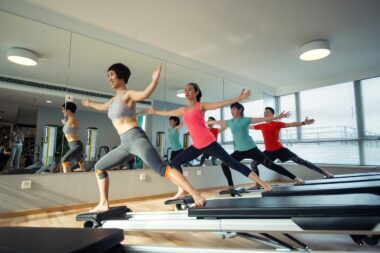
The fitness landscape continues to evolve, with Pilates emerging as a significant contributor to contemporary wellness practices. Originally founded on principles of alignment, breath control, and core strength, Pilates has become a globally recognized method of improving physical and mental health. As its popularity surges, Pilates is influencing various fitness studios and gym chains, introducing an array of innovative classes designed to cater to all fitness levels. These classes now incorporate both traditional techniques and modern innovations, encouraging participation from a broader audience. Additionally, personalized training sessions and group classes emphasize interaction, fostering a sense of community among participants. The accessibility of Pilates continues to expand, with online platforms and virtual classes gaining traction. This transition offers individuals the flexibility to engage with Pilates from any location. Furthermore, trends in functional fitness emphasize the importance of core strength and stability, concepts integral to the Pilates method. By blending these teachings with modern fitness trends, Pilates is not just shaping individual workouts but influencing fitness industry standards as a whole. Now more than ever, the popularity of Pilates is appealing to health-conscious individuals seeking holistic wellness solutions.
Embracing Inclusivity and Diversity
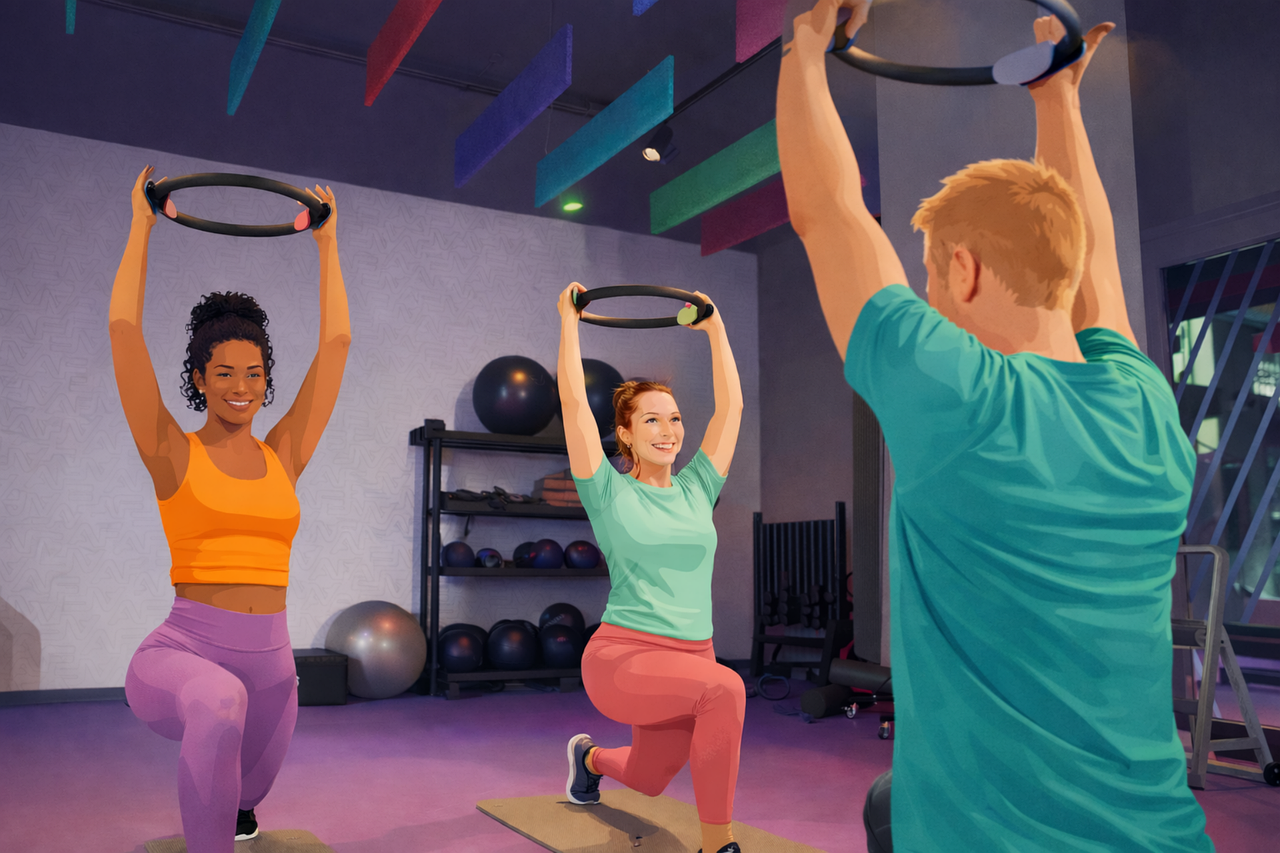
Across the fitness spectrum, inclusivity and diversity are key trends reshaping how Pilates is approached and marketed. Pilates studios increasingly adapt their classes to meet the needs of diverse populations, ensuring everyone feels welcome regardless of age, ability, or background. This shift not only fosters community, it broadens access to Pilates. More studios are offering specialized programs for pregnant women, seniors, and those with physical limitations, addressing the demand for inclusive workout options. As a result, Pilates serves as an excellent platform for varied demographics to achieve their fitness goals. Additionally, instructors are diversifying the teaching methods to better accommodate diverse needs, utilizing both individual and group settings. This commitment to inclusivity reflects the growing recognition of the different challenges people face concerning fitness. Studios are prioritizing mental well-being alongside physical fitness by creating a supportive atmosphere. Moreover, the rise of social media showcases an array of diverse Pilates practitioners, promoting body positivity and acceptance. These movements amplify the message that Pilates is for everyone, calling for a fitness revolution rooted in equality, acceptance, and empowerment. As such, the Pilates industry is redefining diversity and inclusivity.
Another notable trend within the Pilates fitness landscape is the rising integration of technology. The use of fitness trackers, apps, and virtual sessions is transforming how Pilates is taught and experienced. Online platforms are becoming indispensable for Pilates instructors and participants alike, providing access to diverse workouts and specialized tutorials that cater to a variety of skill levels. This wave of digital engagement allows practitioners to track their progress conveniently and set personal goals. Instructors are using apps not only to schedule classes but also to provide on-demand sessions that promote flexibility in attendance. This embraces the time constraints of modern life, enhancing participation. Furthermore, the rise of wearable technology complements Pilates workouts, allowing users to monitor their heart rates, calories burned, and muscle engagement throughout their sessions. Virtual reality Pilates experiences are also emerging, offering an innovative twist that enhances the workout experience. By employing technology thoughtfully, the Pilates community fosters greater engagement and motivation among participants. Technology promotes accessibility and personalization, driving the Pilates fitness trend forward in innovative ways. This integration paves the way for a tech-savvy approach to enhance traditional Pilates methods.
Mindfulness and Holistic Approaches
In the realm of exercise, mindfulness practices are increasingly becoming an integral part of training regimens, particularly within Pilates. The very essence of Pilates revolves around focusing on breath, movement, and awareness of one’s body. Emphasizing the connection between mind and body, Pilates encourages practitioners to engage mentally as they perform physical exercises, cultivating a meditative awareness that improves overall well-being. This focus is particularly appealing in an age where stress and anxiety are prevalent. Many Pilates instructors are now incorporating mindfulness techniques, such as deep breathing and visualization, during sessions. These practices complement the physical aspects of Pilates, creating a holistic approach to health. Moreover, wellness retreats centered around mindful Pilates practices are gaining popularity, attracting individuals seeking respite from daily pressures. These retreats combine traditional Pilates training with elements such as yoga and meditation, enhancing participants’ experiences. By intertwining mindfulness with the physicality of Pilates, practitioners develop greater emotional resilience while building a stronger physical foundation. Such trends highlight that Pilates goes beyond just physical fitness—promoting a comprehensive lifestyle of health and mindfulness that resonates deeply with individuals today.
As sustainability continues to rise as a significant concern globally, the Pilates industry is also responding to the call for eco-friendly practices. More studios are adopting sustainable materials for equipment and wearing eco-conscious workout attire, reflecting broader environmental awareness among consumers. Pilates reformers, mats, and props are now often made from recycled or biodegradable materials, reducing the industry’s carbon footprint. This wave of sustainability not only appeals to environmentally-conscious clients but encourages a culture of responsibility in fitness spaces. Moreover, studios are promoting green initiatives by minimizing waste, such as using reusable water bottles and encouraging digital bookings instead of paper methods. Eco-friendly practices in Pilates support the holistic health philosophy that the practice espouses, where both individuals and the environment are nurtured. As a result, Pilates professionals are leading the way in advocating for sustainable fitness solutions. This aligns perfectly with the current movement toward sustainability in various sectors. By embracing eco-friendly principles, Pilates studios contribute positively to the global fitness scenario, proving that caring for oneself and the planet can go hand in hand seamlessly.
Fusion with Other Fitness Styles
One of the most exciting trends in the Pilates world is its fusion with other fitness styles. As fitness enthusiasts seek variety, studios are innovating by blending Pilates with disciplines like yoga, barre, and strength training. These hybrid classes appeal to a diverse audience while optimizing the physical benefits each modality offers. For example, Pilates-based yoga infuses core-strengthening principles into traditional yoga flows, enhancing stability and flexibility. Alternatively, Pilates barre combines ballet-inspired movements with Pilates fundamentals, targeting muscle toning beautifully. This fusion provides a well-rounded workout experience that diversifies training options. Furthermore, collaborations with different fitness experts lead to the creation of unique classes, stimulating interest and engagement. By offering hybrid sessions, studios increase memberships and client retention rates, effectively responding to contemporary fitness demands. Additionally, the promotion of fusion classes fosters community within fitness spaces, as varied participants bond over mixed-training experiences. As Pilates merges with other fitness influences, it steers the industry towards a collaborative approach, redefining perceptions of traditional workouts. This not only attracts fitness enthusiasts but also enhances the overall community experience.
Finally, the future of Pilates in the fitness industry will likely see a continued emphasis on education and specialization. As demand grows, studios and instructors are pursing advanced certifications to deepen their expertise, ensuring that they provide high-quality instruction. Specialization in different Pilates methodologies—such as classical, contemporary, or rehabilitation approaches—enhances the depth and quality of training. This pursuit of knowledge benefits both instructors and participants, as individuals receive tailored guidance according to their needs. Furthermore, workshops and ongoing education programs are essential in keeping instructors up-to-date with the latest research and trends in fitness. As the industry evolves, so too will training programs for instructors, ensuring a higher standard in Pilates education. Participants are more informed than ever, leading to increased demand for knowledgeable instructors. This trend emphasizes the importance of constant learning in maintaining utmost quality within the Pilates community. The rise of specialized programs demonstrates the industry’s commitment to excellence, ensuring practitioners receive optimal training experiences. Emphasizing education within Pilates is crucial for the future, enhancing the overall quality of fitness instructions and client satisfaction.
The Role of Community in Pilates
In addition to the technological advancements and alignment with contemporary lifestyles, the importance of community within Pilates cannot be underestimated. This element has a profound impact on motivating individuals to participate and stay committed to their fitness journey. Studios often play the role of social hubs, where individuals build relationships while pursuing their fitness goals. Regular classes encourage camaraderie, fostering friendships among participants who share similar interests in health and well-being. A sense of belonging enhances motivation and accountability, pushing individuals to attend classes regularly. Many Pilates instructors promote this community spirit by cultivating an inviting atmosphere and encouraging interaction beyond the mat. Social events and workshops organized by studio owners bolster this connection, allowing individuals to engage more profoundly with the Pilates experience. A supportive environment aids in transforming exercise into a holistic lifestyle, where people feel empowered to improve their well-being collectively. As community connection strengthens, it creates a positive feedback loop, encouraging individuals to remain active in their practice. The relational aspect of Pilates significantly enriches the overall experience, demonstrating how the power of community shapes the future of the industry.