
How to Choose the Right Recovery App for Your Fitness Needs
Choosing the right recovery app for your fitness needs is essential to enhance your performance. With numerous options available, it’s crucial to consider various factors to select the most suitable app. First, assess your fitness goals. Are you focusing on muscle recovery, stretching, or overall injury prevention? Your primary objective will help narrow your options significantly. Secondly, explore user-friendliness. An intuitive interface ensures a smoother navigation experience, helping you stay consistent. Review features as well. Some apps offer guided recovery sessions, while others focus on tracking your progress with personalized plans. Look for user reviews to gauge effectiveness. Real feedback from fellow users can provide valuable insights into an app’s performance. Additionally, consider if there’s compatibility with other devices. Cross-platform functionality can allow for a seamless integration of your recovery regimen across devices. Lastly, take a look at the pricing model. Are there free trials available? Subscriptions? Assess what fits within your budget. Take your time to explore repositories of fitness apps to ensure you select the optimal choice that aligns with your recovery needs.
Key Features to Look For
When searching for recovery apps, it’s paramount to identify key features essential for optimal effectiveness. One significant feature is customizable recovery plans tailored to your specific needs. This personalized approach enhances results by addressing individual recovery preferences and goals. Moreover, guided sessions can dramatically improve recovery processes. Look for apps that offer video instructions or audio cues to efficiently facilitate these sessions. Furthermore, data tracking functionality should not be overlooked. Tracking your progress provides essential insights into improvement, which can help redefine your recovery strategy. Additionally, education tools within the app can be beneficial. These often include articles, tips, and best practices that can illuminate best recovery practices. Social sharing features can also enhance motivation, making it easier to connect with other fitness enthusiasts. This sense of community can provide support, encouragement, and accountability. Notifications and reminders can be vital, nudging you to follow your recovery schedule. Lastly, consider integration with other health applications. Compatibility with platforms like health monitoring devices can streamline your entire fitness regimen, promoting overall wellbeing.
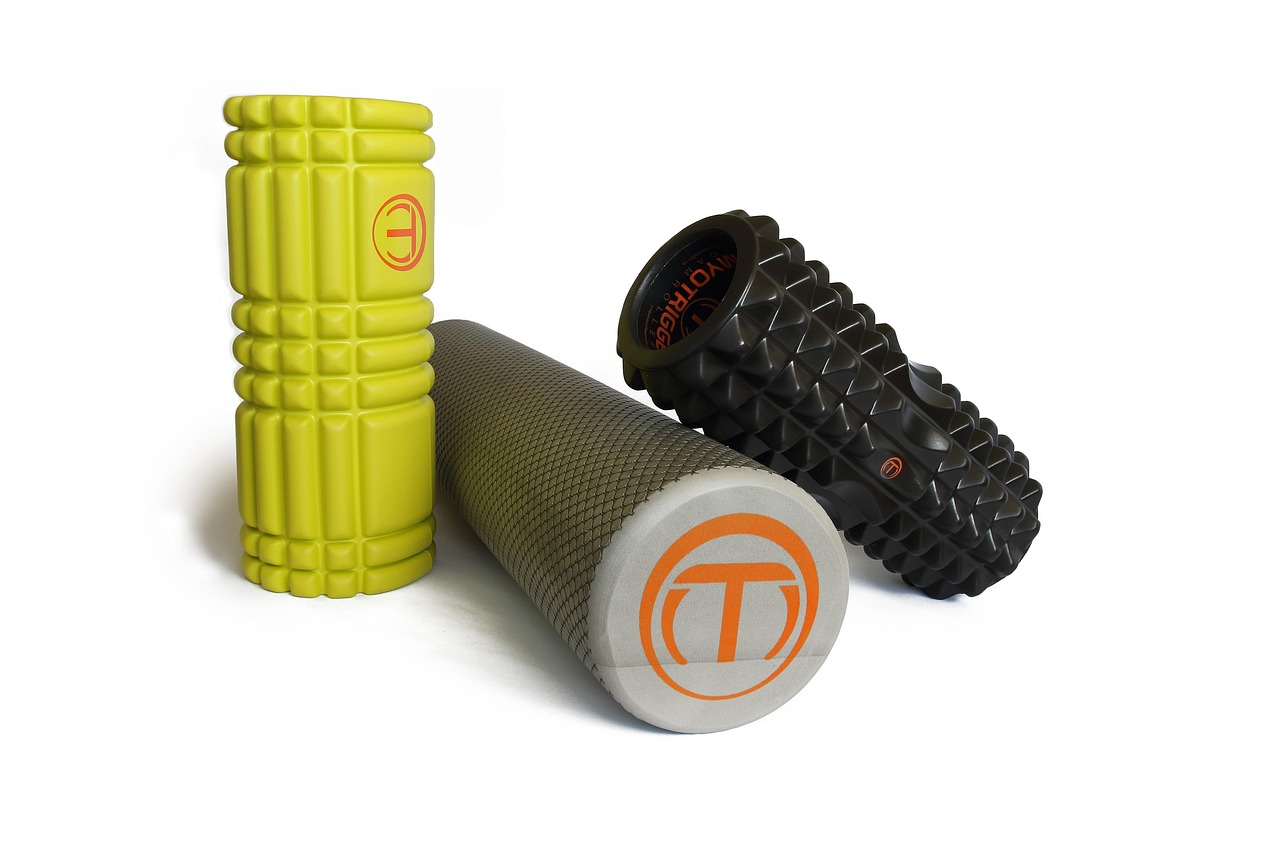
Understanding your recovery needs is integral to selecting the ideal app. Everyone’s recovery process varies based on their activity level, fitness experience, and body response. Beginners, for instance, may benefit from structured recovery guidance more than seasoned athletes. Therefore, apps with beginner-friendly resources, including stretching routines or foam rolling techniques, can be advantageous. Moreover, athletes participating in specific sports might require specialized recovery strategies. For example, runners have unique recovery needs compared to weightlifters. Seeking apps designed to target specific athletic practices can lead to better recovery results. Furthermore, if you often experience injuries, consider apps that incorporate rehabilitation protocols developed by professionals. They can offer detailed recovery routines that prioritize injury prevention and management. For athletes with chronic conditions, apps that provide expert advice tailored to specific health issues are also beneficial. Additionally, exploring apps that regularly update their content can keep your recovery experience fresh. Knowledgeable guidance from experts or fitness trainers available within the app can enhance your recovery journey and overall fitness routine.
User Interaction and Support
User support plays a crucial role in effectively utilizing recovery apps. The quality of customer support can significantly enhance your experience, ensuring any issues you face are resolved promptly. Opt for apps that offer various support channels, such as in-app chat, emails, or forums. This variety helps you choose the method that works best for you. Moreover, an active community within the app can be incredibly supportive. User forums or social features allow you to share experiences and recovery tips, enhancing motivation and accountability. Reading how others achieved their goals through the app can drive your engagement. Furthermore, consider apps with regular updates based on user feedback. Constant improvements show a developer’s commitment to user satisfaction, ensuring that your experience continues to improve over time. Additionally, utilizing user-generated content or testimonials can be beneficial, offering authentic narratives demonstrating app effectiveness. There’s usually nothing like hearing from actual users about their success or difficulties. Lastly, being able to reach out easily for troubleshooting ensures a smoother journey through your recovery process.
Equipment compatibility is another important factor in selecting the right recovery app. With many users incorporating various fitness equipment into their routines, ensuring that your app syncs well with your devices can elevate your recovery experience. For instance, if you use wearable technology such as heart rate monitors or fitness trackers, look for apps that can integrate with these devices. This integration facilitates better data tracking, providing you with more comprehensive recovery analysis. Moreover, various recovery techniques, such as e-stim devices, may have dedicated apps, too. Apps that work seamlessly with your existing equipment allow for a smooth transition and harmful data discrepancies. Furthermore, consider the necessity for offline access. Some users prefer a recovery method that doesn’t rely on an internet connection, particularly during travel or workouts at remote locations. Apps offering offline features will enable you to follow sessions without interruptions. Additionally, check for app performance across different platforms, such as Android and iOS. Consistent functionality across devices minimizes issues regardless of your tech ecosystem, enhancing your overall satisfaction with the app.
Trial Periods and Subscriptions
Trial periods are vital when selecting a recovery app, providing a risk-free opportunity to determine whether it meets your needs. Before investing in a subscription, utilize these trial options to fully explore the features and capabilities of the app. Many software options offer a 7 to 30 days trial period, allowing you to assess whether the interface and functionalities align with your expectations. Pay attention to how easily you can create and follow a recovery plan during this phase. This firsthand experience can lead to valuable insights into daily usability and effectiveness. Furthermore, consider subscription models. Some apps provide tiered subscriptions, offering different access levels with varying costs. Determine which features are crucial for you and whether the extra cost is justifiable. Always read the fine print regarding cancellations and renewals to avoid unexpected charges. Additionally, look for apps conducting regular promotional offers, allowing you to access premium features at discounted rates. This can be particularly useful for those on a budget or hesitant about committing long-term without knowing the app’s true value.
Lastly, remember to keep an open mind and be patient when choosing your recovery app. Everyone’s journey will differ, and what works for one individual may not be suitable for another. The exploration process can lead to discovering hidden gems that not only tailor recovery strategies but also promote overall fitness wellness. During this journey, periodically revisit your fitness goals and needs to ensure your selected app aligns with these changes. Using this framework will enable you to adapt and thrive in your fitness journey. Be ready to experiment with different apps and resources, enriching your recovery toolkit over time. Remember, adopting a recovery app is about enhancing your recovery process rather than complicating it. As your understanding of recovery improves, you may find yourself adjusting your preferences and requirements. Therefore, don’t hesitate to revisit and reassess your chosen recovery app as your needs evolve. Ultimately, this adaptability will lead to finding the perfect recovery app to support your fitness goals.
In conclusion, selecting the ideal recovery app requires careful consideration of various aspects. Understanding your individual recovery needs and fitness objectives will guide you towards making an informed decision. Alongside key features like user-friendliness, customization, and support, evaluating equipment compatibility and subscription options is equally important. Also, make good use of trial periods to explore the app’s effectiveness before committing financially. Additionally, focus on user feedback and community support, which can significantly enhance your recovery journey. By embracing a thoughtful and informed approach and staying patient in navigating through various options, you will successfully identify a recovery app that aligns with your unique needs and contributes positively to your fitness regime. Remember that fitness is a continuous journey, and integrating recovery wisely plays a pivotal role in maximizing your potential. The right app can help you not only recover faster but also prevent future injuries, ultimately paving the way for continued progress and performance enhancement. Good luck with your search for the right recovery app, and may it revolutionize your approach to fitness!