
How Regular Movement Can Help Manage Postpartum Anxiety
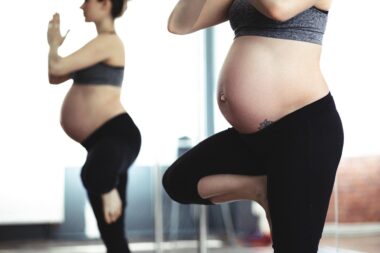
Postpartum anxiety is a common issue that affects many new mothers. It can lead to feelings of fear, worry, and unease, impacting overall well-being and daily life. Engaging in regular movement offers a healthy and effective way to combat these symptoms. Studies show that physical activity, including walking and postpartum exercises, can significantly reduce anxiety levels. By moving our bodies, we release endorphins, which are natural mood lifters. This biochemical response helps lower feelings of stress and anxiety, allowing new mothers to feel more balanced and composed. Moreover, regular exercise promotes better sleep, which is often disrupted during the postpartum period. Improved sleep can further aid in reducing anxiety, offering a cycle of positivity. It’s important to acknowledge that each mother’s journey is unique, and finding the right type of movement that feels enjoyable is crucial. Activities such as yoga, swimming, or even a brisk walk in nature can provide both physical and mental benefits. Therefore, integrating movement into daily routines can be a valuable element in managing postpartum anxiety. It encourages self-care while fostering a sense of community when done with others. Overall, starting this journey can prove immensely beneficial for mental health.
Incorporating movement into daily life need not be a daunting task. Rather, it can be a joyful experience that reinvigorates the body and mind. New mothers can start with small, achievable goals such as 10 minutes of walking each day, gradually increasing intensity and duration based on comfort levels. Setting realistic expectations helps avoid feelings of discouragement or burnout. The key is to listen to your body and adapt accordingly. It might be beneficial to join a postnatal fitness group where peers offer support and motivation. Additionally, exploring different activities can keep the routine fresh and exciting, reducing monotony. You could try dance classes or cycling, which also foster social connections. Keeping in mind the importance of hydration and a balanced diet can enhance the effects of exercise on mental health. A well-rounded approach can amplify the benefits of movement, further aiding in anxiety management. Remember that progress may vary from day to day, and that’s perfectly okay. Celebrating small victories, like feeling more energetic or having a clearer mind, can boost confidence and promote further engagement in physical activities. Ultimately, movement becomes a consistent tool for nurturing mental health during the postpartum phase.
Building a Routine
Establishing a movement routine can play a significant role in reducing postpartum anxiety. Having a plan can not only create a sense of structure but also serves as a reminder to prioritize mental wellness. Finding a time of day that fits smoothly into personal schedules is essential. Some mothers may find mornings to be the ideal time for exercising while others may prefer the afternoons or evenings. While sticking to a regular routine is helpful, flexibility can also play a vital role. Being adaptable allows mothers to adjust their activities to suit their ever-changing lifestyles. Incorporating short bursts of movement throughout the day can also be beneficial. This can be as easy as doing a few stretches, engaging in light yoga, or taking the baby for a stroll. Utilizing wearable fitness devices to track movement can motivate and encourage a sense of accomplishment. Engaging in group classes or online workouts featuring fellow mothers can also create further accountability and enhance the enjoyment of the experience. Overall, working towards a routine that prioritizes movement fosters an environment for better mental health and emotional resilience.
Mindfulness practices combined with regular movement can enhance the benefits of physical activity for managing anxiety. Techniques such as mindful breathing or meditation, when integrated with exercises, help focus the mind away from troubling thoughts. Practicing mindfulness while moving can increase the awareness of one’s body and its capabilities, leading to positive self-acceptance. This technique may also help in redirecting attention towards the present moment, away from negative spirals of anxiety. Simple actions, like focusing on breathing or being aware of surroundings during a walk, can impressively lift spirits. Programs teaching mindful movement, such as yoga or Pilates, cater specifically to postpartum women. These practices not only strengthen the physical body but also contribute to mental clarity and peace. In addition to calming nerves, they help cultivate resilience to stressors by building both physical stamina and emotional strength. Integrating mindfulness can thus enhance feelings of empowerment, confidence, and control. Furthermore, connecting with others during these practices allows for emotional sharing and social reinforcement. Building this community can help mothers cope with challenges, ultimately leading to a lower incidence of postpartum anxiety and improved overall mental health. Balance through movement and mindfulness is essential.
The Power of Community Support
Community support is crucial for new mothers as they navigate postpartum anxiety. Participating in group fitness activities not only provides physical benefits but also fosters a sense of belonging. This social circle can serve as an essential lifeline during challenging times. Engaging in group workouts or classes creates a supportive atmosphere, where mothers can share their experiences, providing mutual encouragement. It becomes easier to discuss feelings of anxiety and stress with peers who understand the journey. Moreover, social connections cultivated through fitness can lead to deep, meaningful friendships, enhancing overall emotional well-being. Many find that sharing personal stories about motherhood, anxiety, and fitness can be empowering. These connections remind mothers that they are not alone in their struggles. Participating in local mom-and-baby classes can add a fun element as well. Studies reveal that strong social networks correlate with decreased anxiety levels. Thus, surrounding oneself with supportive individuals nurtures resilience and motivation. Being part of a community focused on health encourages longer-term commitment to fitness goals, ultimately promoting better mental health and a stronger recovery from postpartum anxiety.
Setting achievable fitness goals is another effective method for managing anxiety postpartum. Small, incremental goals help maintain motivation and provide measurable successes. When milestones are reached, it can boost self-esteem and diminish feelings of anxiety. A goal could be as simple as engaging in movement three times a week for 30 minutes. It’s essential to track progress, which can offer concrete evidence of improvement and reinforce commitment. Mothers can even create a vision board or journal to visualize their aspirations and celebrate achievements. Accomplishing goals, no matter how minor, sends positive signals to the brain, enhancing mood and reinforcing the desire to continue. It’s important to embrace the concept of non-linear progress, as every step contributes to growth. Adjusting goals is also wise, based on personal capacity and situational changes. This mentality can reduce self-imposed pressure and create a healthier relationship with fitness. Ultimately, focusing on the journey rather than perfection encourages persistence, resilience, and prevents anxiety. Therefore, prioritizing physical health through attainable goals transforms into a significant coping mechanism for managing postpartum anxiety, ensuring better mental health overall. Embracing this journey can yield lasting benefits.
Conclusion
In conclusion, regular movement serves as a powerful ally for new mothers coping with postpartum anxiety. Engaging in physical activities fosters numerous advantages, including the release of endorphins, improved sleep, and decreased anxiety levels. Establishing a routine can add structure to daily life while also promoting self-care. Integrating mindfulness practices enhances the calming effects of movement, encouraging connection with oneself and the present moment. Community support cultivated through group classes provides emotional reinforcement, fostering strong relationships with peers. Setting achievable fitness goals further allows for personal satisfaction and motivation, promoting overall progress. Each mother’s journey is unique, and it’s important to embrace personal preferences when it comes to movement. Experimenting with various activities keeps the experience enjoyable and prevents burnout. Finally, acknowledging the importance of flexible approaches allows for adaptation to changing situations common in postpartum life. By prioritizing regular movement together with a supportive community and mindfulness, mothers can significantly improve their mental health and cultivate resilience. As they navigate this transformative phase, it is crucial to remember that every step taken, no matter how small, contributes to emotional well-being and anxiety management.