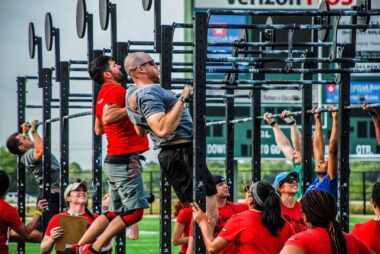

Understanding Movement Mechanics to Improve CrossFit Skills
Improving skills in CrossFit requires an understanding of fundamental movement mechanics. Every movement, from lifts to gymnastics, demands proper technique to optimize performance and minimize injury risk. Focusing on mechanics enables athletes to develop efficient movement patterns. This foundational knowledge is crucial for all skill levels, especially beginners. The benefits of mastering fundamentals extend beyond just performance; they foster confidence too. Athletes who understand how to move correctly are more likely to progress in their training. This understanding often leads to quicker mastery of advanced skills. Coaches play a pivotal role in educating athletes about these mechanics. A great coach identifies weaknesses and provides guidance tailored to the individual. They emphasize the importance of body alignment, force generation, and breath control. For example, in Olympic lifts, maintaining proper posture is vital for success. Athletes need to engage their core and maintain a neutral spine throughout the movement. Through dedicated practice, athletes refine their skills, leading to improved performance in a workout setting. In subsequent sections, we will dive deeper into specific movement mechanics that are essential for CrossFit.
Core Stability and Its Role
Core stability is essential for effective movement mechanics in CrossFit. The core comprises various muscles that stabilize the spine and pelvis. Strengthening these muscles improves balance and promotes correct posture during lifts and dynamic movements. When the core is engaged, athletes can distribute force more efficiently across their body. Additionally, a stable core prevents injury because it minimizes excessive strain on the lower back. In CrossFit, many exercises require explosive movements, which are more effective when grounded in a robust core. For instance, when performing a snatch, a strong core allows for better force transfer from the feet up through the limbs. Core engagement also aids in breath control, which is vital when lifting heavy weights. Athletes frequently overlook this aspect, but it is crucial for maximizing performance. One effective way to strengthen the core is through targeted exercises like planks and hollow holds. Implementing these movements into the warm-up can significantly benefit overall performance. Athletes should consult with coaches to ensure they are performing core exercises correctly, as improper technique can lead to further complications or injuries. Ultimately, core stability is a linchpin factor in enhancing CrossFit skills for all participants.
Another essential aspect of movement mechanics involves understanding mobility. Mobility refers to the ability of a joint to move through its full range of motion. In CrossFit, a lack of mobility can lead to compromised techniques, ultimately affecting overall performance. Thus, incorporating mobility drills into training is vital. Athletes should spend time on dynamic stretches that target specific muscle groups used in their workouts. For example, working on hip mobility can significantly improve squatting and jumping movements. Furthermore, regular stretching routines enhance flexibility, which is critical for executing advanced CrossFit movements. Tight muscles often impede the full performance potential, leading to inefficiencies. Thus, preventing injuries goes hand-in-hand with working on mobility. Pushing through discomfort during mobility work is not only beneficial but necessary for overall progression. Coaches can help participants identify specific areas that need improvement. Additionally, mobility work should be customized to the individual’s needs and goals. Athletes who prioritize mobility training will notice an increase in their strength and endurance during workouts. It is important to remember that consistent practice is key for lasting results in the realm of fitness.
The next critical area is proper lifting mechanics. Understanding how to lift weights correctly forms the foundation for safety and efficiency. Each lift in CrossFit, from deadlifts to clean and jerks, has specific techniques that every athlete must master. Proper technique maximizes strength output while minimizing the chances of injury. For example, during a deadlift, the hips and shoulders should rise together to maintain tension on the bar. Athletes should avoid pulling the weight with their backs instead of their legs to decrease strain. This highlights the necessity of proper body mechanics throughout all lifts. Focus on the grip, stance, and body alignment provides significant advantages. Utilizing the legs and the core correctly ensures the right muscles are being activated. Coaches also encourage athletes to keep the bar close to their bodies to reduce mechanical disadvantages. Athletes must heed this advice, especially as weights increase. Continuous feedback from knowledgeable coaches aids in reinforcing proper techniques. Practicing under the eye of a coach helps athletes internalize these invaluable lessons. Consequently, efficient lifting mechanics elevate an athlete’s performance during CrossFit workouts.
Breath Control in Performance
Breath control plays a substantial role in optimal performance when participating in CrossFit. Athletes often underestimate its significance, but effective breathing patterns can drastically enhance workout efficiency. Learning to breathe correctly ensures enough oxygen reaches the muscles during intense efforts. Breath control is particularly critical during heavy lifts, where exertion peaks. Holding breath can provide stability for the core, but timing the exhalation and inhalation properly is vital for safety. Athletes should practice breathing techniques, inhaling during the lowering phase and exhaling explosively during the lift. This method effectively reduces pressure build-up in the abdomen, decreasing the probability of injury. Additionally, mindful breathing can help with endurance during high-intensity workouts like AMRAPs (as many rounds as possible). By establishing a rhythm, athletes can pace themselves over longer sessions. Once again, coaches can help participants improve their breath control through drills and feedback. Understanding the connection between breath, movement, and overall performance allows athletes to enhance their experience in CrossFit. Athletes should remember to incorporate breath exercises into their routines regularly.
Furthermore, learning effective pacing strategies contributes significantly to mastering CrossFit skills. Pacing refers to the controlled management of energy expenditure across various exercises. In a demanding workout, maintaining a consistent pace enables athletes to sustain performance levels over time. Athletes should experiment with different pacing techniques to identify what works best for them. For instance, breaking tasks into manageable segments helps in controlling energy usage. It allows athletes to recover adequately between efforts. Besides pacing, effective strategies include harnessing the power of partner workouts. Engaging in teamwork provides motivation and enhances performance through friendly competition. The insight gained from pacing exercises translates well into competition contexts. Athletes should never underestimate the importance of strategic planning for their workouts. Each skill demands specific attention to energy management to maximize output. Coaches can design workouts that introduce pacing challenges to prepare participants for competition. Adopting a pragmatic approach towards pacing, combined with technical skills, yields better outcomes. Ultimately, pacing can serve as a lifeline in high-stakes scenarios like CrossFit competitions, ensuring optimal readiness for success.
Conclusion: Integrating Skills for Improvement
In summary, integrating knowledge of movement mechanics into CrossFit training is paramount for skill enhancement. Athletes should prioritize proper techniques from core stability to breath control as they develop their abilities. By understanding the basic mechanics behind each movement, participants not only improve their athletic performance but also foster a safe training environment. Regular practice allows athletes to sharpen these essential skills and further refine their techniques. It is vital for athletes to consult with qualified coaches to receive tailored guidance throughout their training journey. Coaches can provide insight into individual strengths and weaknesses, helping athletes carve out improvement plans. Continuous feedback loops foster engagement and motivation as participants evolve in their training. Moreover, athletes should stay committed to various aspects of their performance, from mobility and technique to pacing strategies. Each element interlocks to form a holistic approach to CrossFit skills development. With unwavering dedication, individuals will see tangible improvements in their skill levels. Ultimately, persistence and a solid understanding of movement mechanics will lead to a more rewarding and successful CrossFit experience.