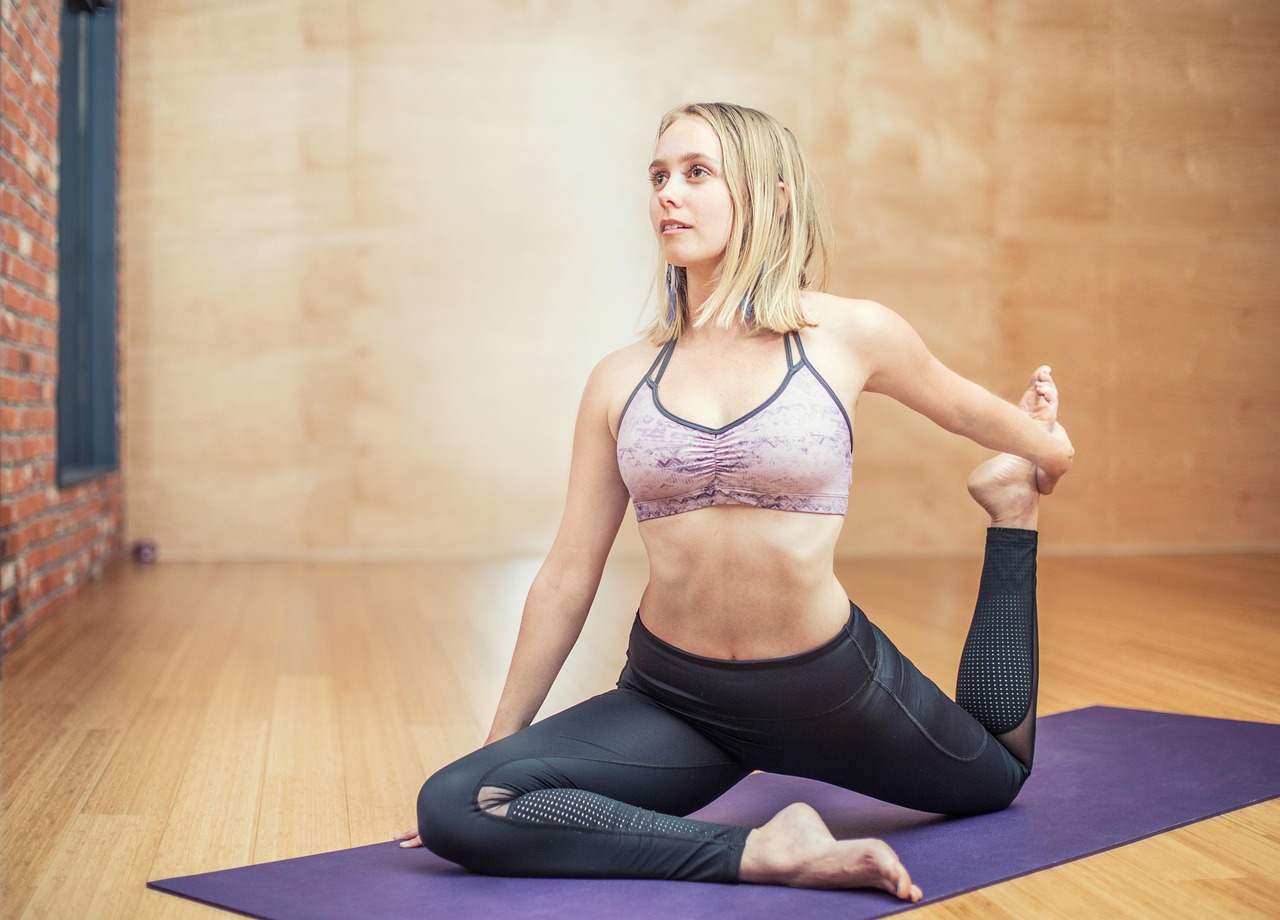

Bodyweight Exercises for Postpartum Strength and Flexibility
After giving birth, many women focus on regaining their strength and flexibility through postpartum fitness. Bodyweight exercises provide an accessible means to achieve this. They use your body weight for resistance, eliminating the need for equipment. This makes them perfect for new mothers who may have limited time and resources. Additionally, bodyweight exercises are versatile and can be done almost anywhere. Starting with light exercises helps to avoid injury, especially after childbirth. Some effective bodyweight exercises include planks, squats, and bridges. These exercises target multiple muscle groups, enhancing strength while also improving flexibility. Regular practice offers tremendous benefits, including improved muscle tone and better posture, which is essential for breastfeeding mothers. Not only that, but these exercises also promote blood circulation, which is beneficial postpartum. Nutrition should also be considered alongside exercise for optimal recovery. Consuming healthy, whole foods fuels your body and aids in the recovery process. Always consult with your healthcare provider before starting any exercise routine, ensuring it’s tailored to your specific needs and circumstances. Embrace this journey of rediscovery and enjoy the empowerment that comes with postpartum fitness.
Starting Your Postpartum Bodyweight Routine
Initiating a bodyweight exercise routine postpartum requires listening to your body and understanding its limits. Ideally, you should wait for a medical professional’s clearance to ensure it is safe. Once approved, consider starting with gentle movements such as pelvic tilts and cat-cow stretches, which encourage mobility and ease tension. As you grow more comfortable, you can progress to standard bodyweight exercises like lunges and push-ups. Modifying exercises is crucial; for example, knee push-ups can provide an easier starting point. Aim for short sessions of about 15-20 minutes, gradually increasing frequency and intensity as your strength builds. Focus on stabilizing your core, as this area often requires particular attention postpartum. Engaging the transverse abdominal muscles during exercises can enhance strength and reduce diastasis recti. Establishing a routine can also help create accountability. Consider finding a workout buddy, possibly another postpartum mom, to motivate each other on this journey. Documenting your progress through a journal may help you stay inspired and focused. Stay gentle with yourself as your body continues to adapt, paving the way to a strong and flexible postpartum experience.
Incorporating flexibility exercises is crucial for your postpartum fitness routine. Flexibility work can enhance overall body movement and reduce the risk of injury in daily activities. Stretching exercises such as hamstring stretches or hip openers can alleviate tension in tight areas caused by pregnancy. Yoga is an excellent addition to your routine, providing not only stretching benefits but also mindfulness and relaxation techniques. Classes tailored for postpartum women can offer customized guidance. Including deep breathing exercises can also enhance your stretching regimen and promote relaxation. Remember to celebrate small victories, like adding another minute to your stretching. Consistency is key; aim to stretch daily, integrating short sessions throughout the day. You can set reminders on your phone or utilize yoga apps for structured guidance. Additionally, prioritizing hydration and nutrition supports muscle recovery. Engaging in self-care practices, such as massages or warm baths post-exercise, facilitates relaxation and enhances flexibility. Building a strong mind-body connection through flexibility work will foster body awareness, crucial for navigating motherhood. Stay committed to self-care, emphasizing both strength and flexibility as you recover your postpartum body.
Include Targeted Strength Training
A comprehensive postpartum fitness routine should incorporate targeted strength training. Building back strength is particularly vital as you adjust to lifting your baby and performing daily tasks. Incorporating exercises like modified squats can strengthen the legs and glutes, offering stability. Resistance training using your body weight helps tone the muscles without added strain. Advanced exercises are options once you feel confident in your abilities. For example, advancing to single-leg squats will further engage your stabilizing muscles. Incorporating variations of planks can also help build core strength, crucial for good posture. Be sure to perform these exercises mindfully, focusing on your form to ensure effectiveness while preventing injury. You can dedicate two to three sessions per week to focus solely on strength training, gradually increasing intensity. Consider investing in a postpartum fitness class designed specifically to strengthen your body safely. Consult reliable sources or professionals who specialize in postpartum health to access proper techniques and new exercises. Engaging in a variety of movements keeps your routine fresh and fun, fostering ongoing motivation and commitment to your fitness journey.
Recovery is a critical aspect often overlooked in postpartum fitness journeys. Remember that your body has undergone significant changes, and allowing adequate recovery time is crucial to prevent injuries. Listening to your body is essential; if you experience pain or excessive fatigue, it may be a sign to rest. Incorporating low-impact workouts, like swimming or walking, can provide enjoyable ways to remain active while minimizing stress. Schedule recovery days into your fitness routine to engage in restorative practices. These could include light stretching, meditation, or relaxation techniques focusing on breathwork. Engaging in these practices can help maintain a positive mindset and facilitate physical recovery. Nutrition plays a role as well—prioritize foods rich in vitamins and minerals. Including calcium, protein, and omega-3 fatty acids supports muscle repair. Additionally, hydration helps maintain energy levels, especially during breastfeeding. Balancing your workouts with recovery practices sets the foundation for long-term success. Maintaining the desire to progress and improve is natural, but cultivating patience is key. Your body is on a journey of healing, and embracing rest periods fosters both physical and mental well-being.
Stay Motivated and Track Your Progress
Maintaining motivation throughout your postpartum fitness journey is essential to success. Introducing a variety of bodyweight exercises can prevent boredom and enhance adherence to your routine. Finding an accountability partner, like a friend or fellow new mom, will help create a support system that fosters encouragement. Consider joining local or online postpartum fitness communities for added motivation and inspiration. Setting short-term and long-term goals can create a sense of accomplishment, providing further incentive to stick with your routine. Tracking your progress can be remarkably effective; document your workouts, how you feel, and any changes in endurance or strength. Create a simple table or use a fitness app to record your achievements. Celebrate milestones, whether that’s completing your first full set of push-ups or mastering a new flexibility pose. Positive reinforcement strengthens commitment and will foster a sense of pride in your accomplishments. Make a vision board or inspirational quotes to enhance motivation, and regularly revisit them. Remember, your journey goes beyond physical change; embrace the mental strength gained through perseverance and determination. Stay consistent, and you will see the fruits of your labor.
As you progress in your postpartum journey, consider the role of mindfulness in your workouts. Engaging in mindful exercise enhances the connection between your mind and body, creating a holistic fitness experience. This may include focusing on your breath during stretches or simply being aware of each movement’s sensation throughout your body. Mindfulness can reduce stress and increase the overall enjoyment of your exercise routine. Integrating practices like yoga or meditation can significantly impact both mental and physical health. Consider dedicating a few minutes before and after each workout to breathwork or meditation to ground yourself. Continuing to include positive affirmations can also foster a strengthened mindset; reminding yourself of your strength can elevate your confidence. In the long run, create an environment conducive to mindful practices. This may involve decluttering your workout space or choosing calming music to enhance relaxation. Always remind yourself that every small step counts in your fitness journey. Embrace the progress over perfection mentality—the crucial aspect is your commitment to grow stronger and more flexible postpartum. Take pride in every leap you take towards better health, celebrating your journey every step of the way.