
Rebuilding Core Strength After Pregnancy
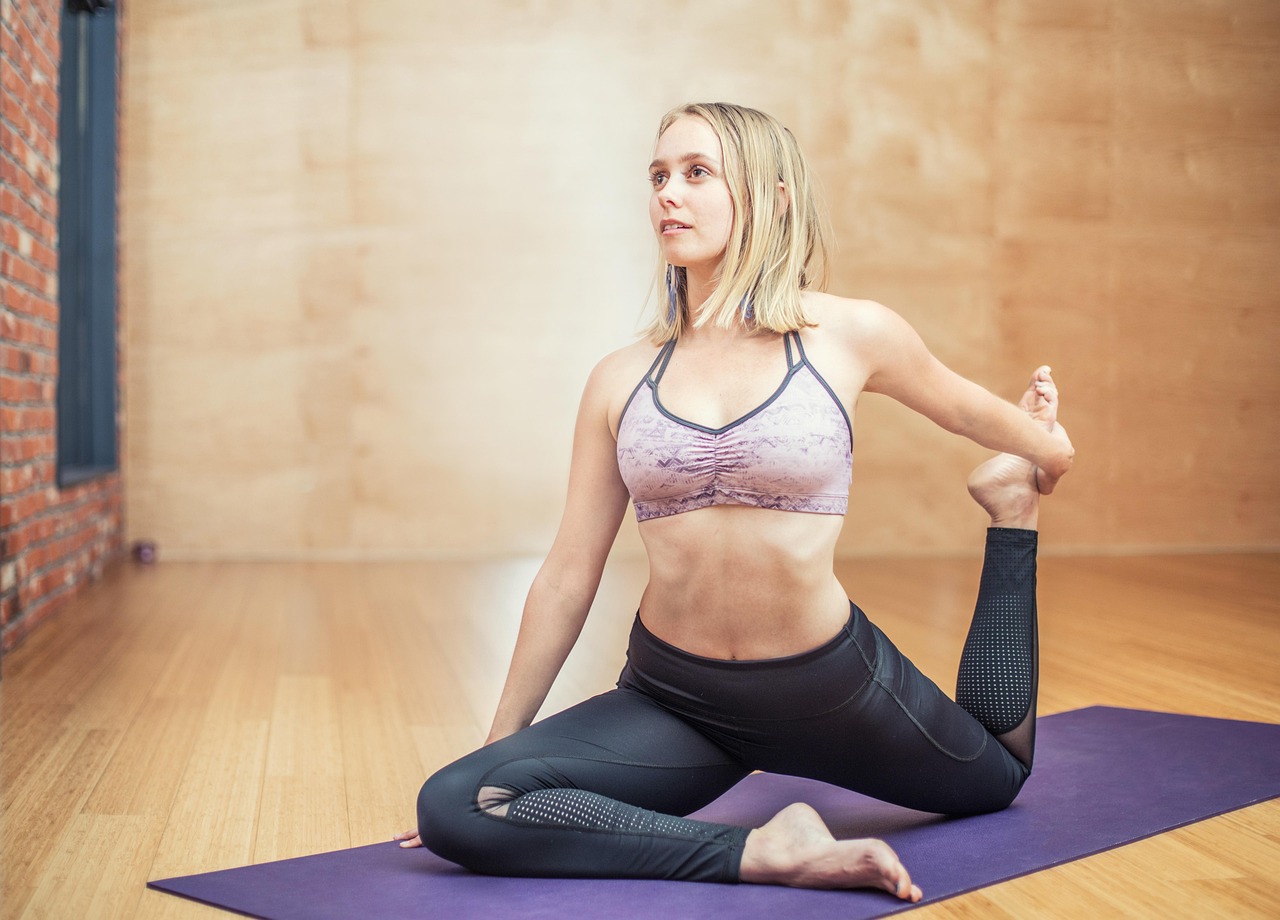
Pregnancy significantly impacts a woman’s body, particularly affecting core strength. After childbirth, many women aspire to restore their physical fitness, focusing on strengthening their abdominal muscles which tend to stretch and weaken. A postpartum core strengthening program not only aids in recovery but also enhances overall wellness. Begin with consultations from healthcare professionals to ensure safety, especially if a C-section was involved. Ideally, explore tailored exercises that promote gradual strengthening. Engaging in low-impact activities initially can help build a foundation. Yoga and pilates have excellent routines for postpartum recovery, emphasizing core engagement and stability. Moreover, incorporating walking as a daily activity can provide cardiovascular benefits while supporting muscle recovery. Always listen to your body during workouts; fatigue may indicate the need for rest. Each woman’s postpartum journey is unique, so be patient with progress. Gradually increase the intensity of exercises as strength improves. Consistency is vital, and even short, effective sessions yield results. Maintain hydration and a nutritious diet to support your body during this recovery phase.
Proper breathing techniques are essential during postpartum exercises. Inhale through your nose and exhale through your mouth as you engage your muscles to ensure proper oxygenation. Learning to contract and relax the abdominal muscles is a fundamental skill; it helps to regain control of the core. Incorporate pelvic floor exercises into your routine to enhance stability. These exercises are crucial post-delivery and aid in the recovery of abdominal strength. Additionally, focus on aligning your posture while performing core workouts. Good posture prevents strain and promotes effectiveness in strength training. Joining a postpartum group can provide motivation and camaraderie with fellow parents. Remember, it’s not just about physical strength; your mental health matters equally. Adequate rest is crucial for recovery, as is threading moments of mindfulness into your daily routine. Aim for a balanced schedule that incorporates activities you enjoy. Remember that rebuilding strength takes time. Celebrate small victories, like completing a set or feeling stronger during daily tasks. Sharing your journey with others can offer valuable support and encouragement, making the process more enjoyable and enriching.
Importance of Core Strength
Core strength plays a critical role in overall physical fitness, improving balance and reducing the risk of injury. A strong core stabilizes your body for daily activities and maintains proper posture. After pregnancy, your core functions are often compromised due to the body’s changes. Restoring core strength is essential; it helps to relieve back pain, enhance stability, and boost overall mobility. Strong abdominal muscles support the spine, which is vital during the postnatal recovery phase. Engaging in targeted strength training exercises can rebuild muscle tone effectively and help regain those curves. Consider exercises such as bridges and modified plank positions that safely reinforce core strength. Most importantly, these workouts prepare your body for life with a newborn, providing you with the energy and stability needed. Ensure that your exercises gradually increase in difficulty, corresponding to your recovery stage. Avoid high-impact workouts until you feel confident with basic strength fits. Set up a regular workout schedule, aiming for at least three sessions a week, allowing flexibility for daily life. Establishing consistency will fortify your resolve to reclaim your strength and vitality.
Nutrition is another significant aspect of postpartum fitness. A balanced diet fuels your body during recovery and influences your energy levels. Focus on foods rich in protein, vitamins, and minerals to support healing. Incorporate lean meats, whole grains, fruits, and vegetables into meals. Proper hydration is vital; water consumption aids in muscle recovery and overall health. Healthy snacks like nuts or yogurt can provide quick energy boosts before or after workouts. Consulting a nutritionist can offer personalized dietary advice tailored to your needs. Consider keeping a food journal to track your eating patterns and ensure you meet your nutritional goals. In addition, vitamins and supplements may be necessary based on individual dietary gaps. Prioritize meal planning to prevent unhealthy eating out of convenience. Engaging family members in meal preparation can also promote a supportive environment for health. Surrounding yourself with positive influences during this journey can enhance recovery efforts. Look for local community events or online resources focusing on postpartum nutrition and fitness. Community support fosters a more inclusive approach to rebuilding your health following pregnancy.
Setting Realistic Goals
Establishing achievable fitness goals is essential during the postpartum journey. Start with small, specific targets to prevent overwhelm. For instance, managing the duration of your workouts is an effective focus rather than a grand vision. By mapping out a comprehensive postpartum fitness plan, you ensure balanced progress. Adjust your goals based on how your body responds to each stage of recovery. Recognize that fluctuations are normal; your body has undergone tremendous changes and may prioritize various adaptations. Allow yourself grace during this period, avoiding comparisons with others’ recovery journeys. Setting check-ins every few weeks can help evaluate your progress, highlighting achievements. Some women may wish to integrate jogging or group fitness into their routines as they improve. Journaling or tracking workouts can provide tangible evidence of improvement, motivating self-commitment. Additionally, consider enlisting a professional trainer who specializes in postpartum fitness for tailored advice. A guide can customize your regimen, enhancing your journey of rebuilding core strength. Remember, the goal isn’t mere aesthetics but fostering a sense of well-being and empowerment. Celebrating your resilience will encourage you to remain committed along this transformative path.
Rest and recovery are integral parts of any fitness journey, particularly post-pregnancy. Many new mothers find it challenging to prioritize adequate rest amid caregiving responsibilities. However, understanding that recovery contributes to physical strength can shift your perspective. Quality sleep aids in muscle recovery and significantly impacts your mood. Incorporating light stretching or relaxation techniques into your day can help release muscle tension. Mindfulness practices such as meditation promote mental clarity, enabling you to face daily challenges with reduced stress. Finding balance means recognizing the limits of your tired body while allowing for occasional vigorous workouts. During postpartum, your hormones fluctuate, further affecting energy levels. Be proactive in establishing a sleep routine, where possible, even if it means adjusting your responsibilities. Share duties with your partner or family to create opportunities for rest. Consider napping during the day if nighttime rest is logistically challenging. Embrace rest as an essential, non-negotiable part of your fitness journey. Emphasizing recovery not only speeds up your return to form but also fosters overall well-being and happiness, which is invaluable during this unique stage of motherhood.
The Role of Mindset
Finally, cultivating a positive mindset is crucial throughout your postpartum fitness journey. Embrace this new chapter as a time of growth and adaptability as opposed to just physical change. Self-compassion is key to navigating challenges; acknowledging your efforts fosters mounting self-esteem. Engage in affirmations that reinforce your worth beyond physical appearance. Surround yourself with inspiring and empathetic individuals who uplift your goals. Social media can serve as an excellent platform for sharing experiences and tips; however, remain vigilant against detrimental comparisons. Seek out communities committed to positive postpartum fitness, where supportive dialogue and shared resources promote ongoing motivation. Taking time for self-reflection can clarify your fitness intentions, strengthening your commitment to the process. Remember that recovery is not linear, and embracing fluctuations in progress is perfectly normal. Documenting milestones in a journal or blog can create accountability. Throughout your journey, focus on celebrating personal insights and achievements, however small they may seem. Ultimately, maintaining a positive mindset not only enriches your fitness experience but instills invaluable lessons for you and your family long-term.
In conclusion, rebuilding core strength after pregnancy encapsulates a holistic approach integrating physical fitness with mental well-being. Every aspect interconnects, emphasizing gradual, sustainable progress from tailored exercise routines to nurturing a positive mindset. As you navigate the complexities of postpartum fitness, remember that patience and self-love are essential allies. Each small achievement contributes to regaining your former strength and flexibility, empowering your new role as a mother. Focus on creating healthy habits that integrate easily into your lifestyle, fulfilling both your fitness aspirations and familial responsibilities. Draw on community support as a valuable resource to celebrate successes and overcome challenges together. Ultimately, the journey towards postpartum fitness fosters not only personal growth but also the creation of enjoyable, lifelong health practices. Listening to your body and respecting its journey leads to lasting, meaningful change. As you commit to rebuilding your core strength, remember to reflect periodically on how far you’ve come. You are on a transformative journey instilling resilience and confidence, benefiting both you and your child tremendously. Hold space for joy amid challenges, ensuring that your well-being remains a priority as you embrace motherhood.