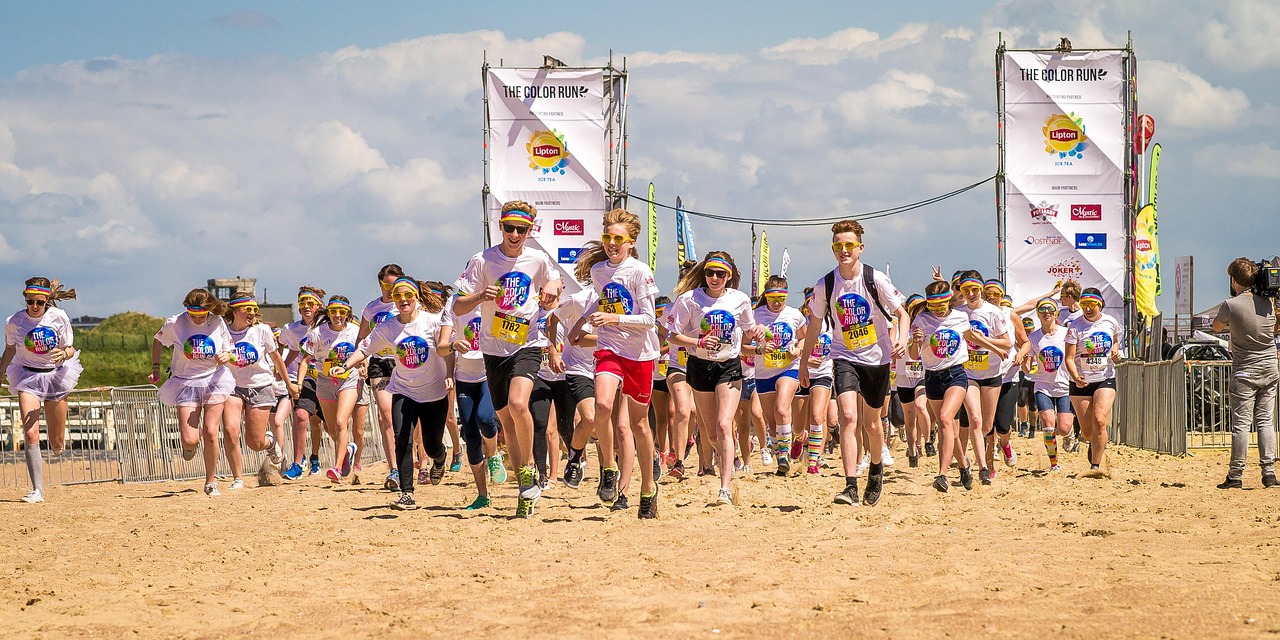

Benefits of Group Runs for Young Marathoners
Participating in group runs offers numerous benefits for young marathoners. First, social interaction is essential; it fosters friendships and camaraderie among peers. Running in a group provides motivation and accountability, making training less daunting. Young runners support and inspire each other, which helps alleviate anxiety related to competition and performance pressures. Further, training in groups helps instill discipline while maintaining fun, balancing commitment with enjoyment. The motivational atmosphere encourages participants, making running less of a chore and more of an engaging community activity. It’s crucial for motivation and morale because achieving personal goals becomes simpler and more inspiring when supporting one another. Moreover, group runs create a strong sense of belonging, particularly for youth who might feel isolated in other aspects of life. When young athletes train together, they develop resilience skills which are valuable both in running and beyond. Ultimately, group runs lead to improved performance; as runners share experiences and techniques, they collectively elevate their running game. Regular engagement in group workouts can enhance individual performance levels, which builds confidence and solidifies their commitment to achieving marathon goals effectively and enjoyably.
Another advantage of group training for young marathoners is the diverse learning opportunities it presents. Group runs often include experienced runners, coaches, or volunteers, providing invaluable insights into training tips and techniques. Young athletes can learn about pacing, nutrition, and injury prevention, helping them to establish a solid foundation for their running journey. Participating in discussions during group workouts allows youth to ask questions and receive immediate feedback, facilitating their development. This dynamic enhances their understanding of running’s requirements and the importance of self-care. In addition, exposure to different running styles and training approaches can lead to discovering personal preferences. As young runners observe their peers, they can incorporate those elements into their practices and make adjustments organically. Learning from others also helps broaden their perspective on the sport and its various facets, reinforcing the idea that there’s no one-size-fits-all approach to training. Furthermore, learning about the experiences of their peers can bolster their commitment and motivation as they see how others tackle similar challenges. Engaging in educational discussions during runs can empower young athletes to make informed decisions about their training, ultimately leading to enhanced performance and satisfaction.
Accountability and Competition
A vital aspect of group runs is the accountability factor; being part of a committed team naturally encourages young marathoners to maintain their training schedule. Knowing others are counting on them can increase the likelihood of sticking to planned workouts. This accountability fosters reliability not just in training but also in life; it can teach valuable lessons about commitment and responsibility, which transcend running. Additionally, healthy competition among peers can drive improvement, pushing young athletes to strive for their best. It encourages them to set personal goals and helps create a competitive yet supportive environment. By observing fellow runners’ progress and achievements, youth may be inspired to enhance their performance as well. It offers a platform for sharing successes and challenges, reinforcing the ethos that while competition is essential, supporting each other’s journeys is equally important. This balance nurtures a community where young marathoners feel empowered to chase their personal bests while uplifting their peers. Coaches often utilize this dynamic to implement strategies that promote individual development alongside team growth, striking a balance that ultimately leads to a more enriching marathon training experience. Thus, accountability and competition flourish in group settings, fueling passion for the sport.
Group runs also help develop mental strength, a crucial component for any successful marathoner. Training with others amidst shared struggles can enhance resilience, as youth learn to overcome challenges together. The phenomenon of shared effort establishes a supportive environment that builds confidence, essential for tackling long runs and races. Testing one’s limits becomes less intimidating when multiple individuals are engaged in the same pursuit. It creates a culture of perseverance where young athletes push through discomfort, fostering grit and determination. By facing physical and mental hurdles collectively, they can cultivate a greater sense of achievement, reinforcing the notion that they are all in it together. This shared mentality develops a mindset geared towards overcoming adversity. Each run presents an opportunity to push boundaries, explore mental fortitude, and ultimately find satisfaction in results. Furthermore, group runs also introduce a variety of workout types. Mixing distance runs, speed work, or interval training keeps workouts fresh and exciting. Engaging in diverse styles encourages youth to discover activities they might enjoy. Exploring different aspects of running can broaden their overall appreciation for the sport, leading to a deeper commitment and love for marathon training and running as career prospects and leisure activities.
Social Skills and Teamwork
Another benefit of group runs is the enhancement of social skills through collaboration, communication, and teamwork. Young marathoners learn how to work effectively as part of a team, which is essential both on and off the field. Building social skills helps foster lasting friendships and connections in the athletic community. Youth learn to celebrate the successes of their teammates, while also navigating setbacks together. This shared experience teaches empathy and strengthens bonds, creating a cooperative atmosphere. Communication is vital – young runners practice expressing encouragement or constructive feedback, which nurtures interpersonal skills. Understanding the importance of group dynamics can also translate to other life situations, making teamwork more effective. These experiences can be instrumental in cultivating leadership qualities as young athletes may take turns guiding their peers during workouts. In practice, it fosters an environment where everyone feels valued and supported. Social engagement enhances motivation, as runners rally together, participating in challenges like races or local runs. It’s important to celebrate and appreciate these accomplishments to build confidence among participants. Ultimately, group runs promote personal growth in different ways, affecting both athletic capabilities and essential life skills that serve throughout adulthood.
In addition to social skills, group runs also significantly enhance the overall experience of marathon training. The excitement and enthusiasm present in a group setting can transform routine training sessions into memorable adventures. The shared highs and lows throughout training solidify friendships and can create bonds that last a lifetime. Further, the energy from young runners pushing each other positively influences performance levels. Knowing they have the support of teammates can raise their efforts during challenging workouts, leading to improved personal bests. Group runs encourage a sense of adventure while fostering persistence. This communal atmosphere cultivates a culture of positivity by celebrating achievements, whether small or large. Many young runners benefit from associating running with fun experiences rather than viewing it solely as a rigorous task. Engaging activities, like running challenge events or fun runs, promote a playful and competitive spirit within marathon training. These create memories that can inspire participants long after their marathon journey is over. Ultimately, when young athletes see running as an enjoyable sport, they are more likely to sustain their passion and commitment throughout their lives, ensuring a lifelong appreciation for fitness and health.
Conclusion: Embracing Group Training
In conclusion, group runs deliver unparalleled benefits for young marathoners, enhancing their training experiences through valuable social interactions, skill development, and mental fortitude opportunities. The support system created within a group transforms training from a solitary task into a community effort. As young runners work together, they not only improve their individual performance levels, but also create lasting friendships. The camaraderie developed during group runs makes challenges more manageable while enriching the overall journey towards marathon goals. It’s vital for coaches and mentors to facilitate group training opportunities to harness these advantages. Encouraging young athletes to embrace teamwork cultivates resilience, accountability, and a sense of belonging within the running community. If youths participate regularly in group runs, they become well-rounded athletes with strong life skills that contribute positively to personal growth. The benefits extend far beyond the bounds of running, impacting educational, social, and professional aspects of their lives. Ultimately, training in a group is an invaluable aspect of growing as a young marathoner. By fostering a love of running through teamwork and encouragement, they are likely to remain engaged in healthy activities for years to come.