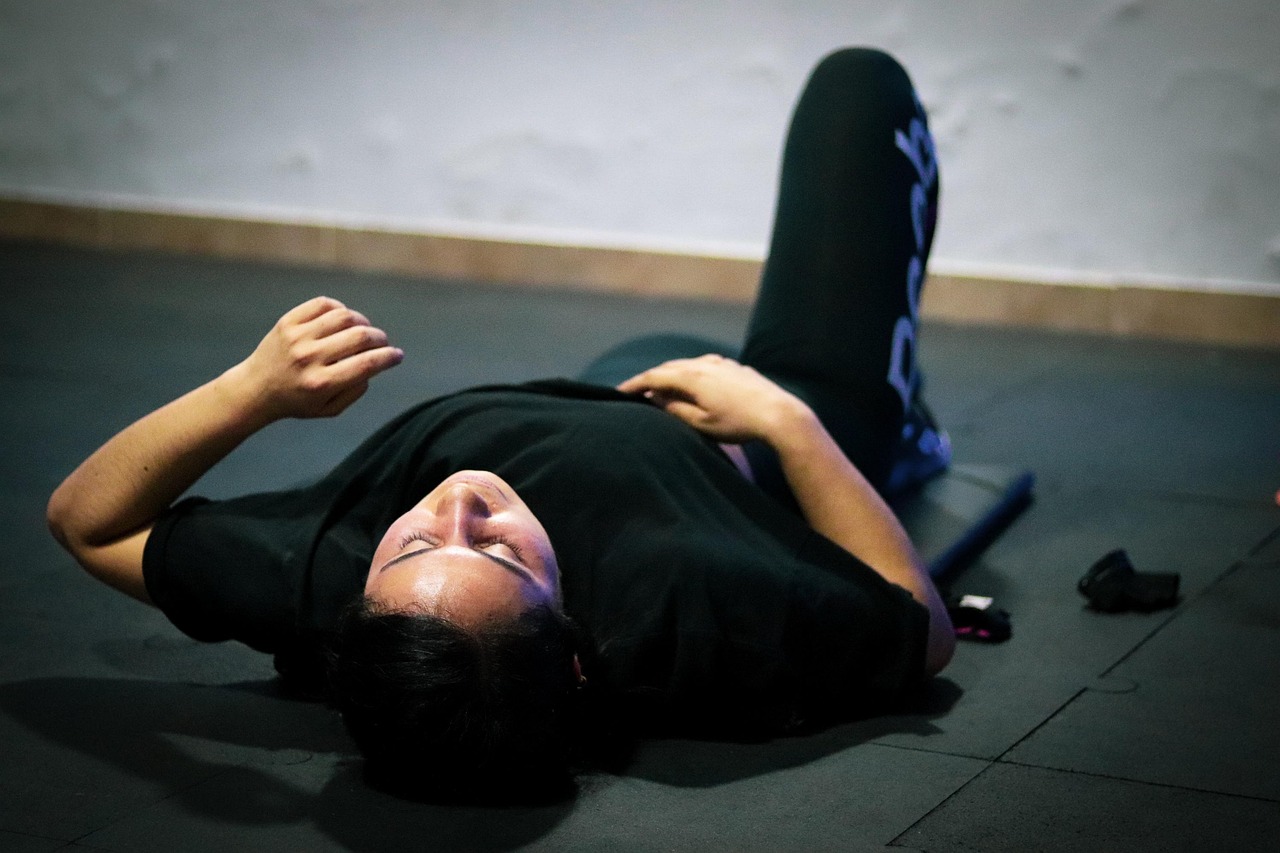

Why Overreliance on Crunches Can Be Detrimental
Many individuals seeking a stronger core often resort to doing countless crunches. While this exercise effectively targets the rectus abdominis, it overlooks other essential core muscles. The core comprises various muscle groups, including the transverse abdominis, obliques, and lower back. Focusing solely on crunches can lead to muscle imbalances, which may ultimately hinder overall core strength. A well-rounded core training routine should incorporate diverse exercises to engage these muscle groups adequately. Neglecting other muscles could result in weaknesses in stabilizing the spine and pelvis. Moreover, overemphasis on crunches reinforces improper movement patterns, which can lead to poor posture and potential injury. Instead of prioritizing crunches, individuals should explore functional exercises that require the core to work synergistically. Openness to alternative techniques allows for a more comprehensive approach to strengthening the core. To enhance core stability and strength effectively, practitioners must understand the necessity of variety in their training regimen. Engaging in compound movements such as planks, deadlifts, and squats can contribute significantly to core conditioning. Such movements target multiple muscle groups, promoting efficient core activation and improved strength.
Incorporating diverse exercises into your routine significantly benefits your core development. Relying on crunches may lead to a lack of functional strength, restricting movements necessary for daily activities. Strengthening the entire core helps in injury prevention, enhancing athletic performance, and increasing overall vitality. A strong core facilitates better balance, stability, and power transfer during various physical activities. Engaging in routine workouts together with proper rest ensures muscle recovery and growth. The notion of ‘more is better’ when it comes to crunches is misleading. Quality over quantity matters significantly in building strength. Many people perform exercises without understanding proper form, leading to ineffective workouts. This lack of precision can also lead to strain and overuse injuries. Therefore, taking the time to learn and execute movements correctly is essential for achieving desired results. Consulting with a fitness professional or attending group training classes may help individuals acquire the necessary skills and knowledge for effective core training. Implementing more comprehensive core exercises encourages overall body coordination and functional movement patterns. Exploring a varied approach fosters not only core strength but overall confidence in physical activities.
The Role of Core Stability in Physical Activities
Core stability is essential for performing effortlessly in many physical activities, from running to lifting. Athletes recognize the necessity of a strong core to enhance performance and avoid injuries. A well-conditioned core acts as a stabilization center, enabling smooth and efficient movement mechanics. It plays a critical role in maintaining posture during various activities, allowing for optimal energy transfer throughout the body. Inadequate core strength can lead to compensatory movements, resulting in stress on the spine and surrounding muscles. Furthermore, the interconnectedness of core muscles proves essential in dynamic movements required in many sports and recreational activities. Individuals lacking core stability may notice decline in their performance, which can lead to frustration and decrease motivation. Consequently, integrating various movements that emphasize core engagement can result in better control, balance, and coordination during workouts. Enhancing core strength through diverse exercises can significantly improve performance levels and physical abilities in daily life. Additionally, strong core muscles contribute to a healthier spine by reducing the risk of injuries. Therefore, individuals should prioritize multi-faceted training to foster a more robust core and facilitate better movement patterns.
Common mistakes during core training often stem from ignorance about proper techniques and exercise selection. Many individuals tend to perform crunches without integrating foundational principles of body mechanics. This oversight leads to ineffective training, resulting in minimal gains and possible injury risks. Instead, practitioners should focus on understanding their body’s mechanics and engage in exercises that promote overall functionality. Adequately challenging the core requires more than repetitive crunches; it demands innovative movements that stimulate the target area effectively. Initiating exercises with a stable base strengthens the entire kinetic chain and promotes proper posture. A common misconception is that more core work directly translates to improved strength, but that is far from accurate. Engaging in lower-impact options alongside strength training can yield better results, as this approach focuses on muscle endurance and stabilization. Training emphasizes progressive overload to encourage core improvements through varied stimuli. Including rest days in training routines allows muscles to recover and perform optimally. Seeking balance in routines through diverse movement forms ensures comprehensive strength and wellness, ultimately fostering a healthier lifestyle and active enjoyment of life.
Enhancing Core Engagement with Functional Training
Functional training can significantly enhance core engagement and overall performance during workouts. Unlike traditional crunches, functional movement patterns simulate everyday tasks and sports activities. Performing exercises involves multiple joints and muscle groups, increasing coordination and efficiency within the body. Incorporating movements like squats, lunges, and kettlebell swings encourages dynamic stabilization of the core. Through these activities, the body learns to use core muscles in conjunction with other muscle groups for optimal movement. By focusing on functionality, one can train the core to respond dynamically to varying forces encountered in daily life. Incorporating stability balls, resistance bands, or balance boards can further challenge the core during workouts, leading to improved strength and coordination. Engaging in high-intensity interval training (HIIT) also benefits core conditioning and boosts metabolic rate, promoting weight management effectively. Active movement prevents monotony and maintains engagement in fitness routines, preventing the boredom associated with repetitive exercises like crunches. The variety also contributes to a sustainable exercise regimen. Ultimately, individuals are motivated to continue working out, allowing them to achieve their wellness goals while having fun engaging in diverse movements.
Additionally, the psychological aspect of exercise cannot be overlooked when discussing core training methods. Performing the same static exercises repeatedly leads to mental fatigue and lack of motivation. A varied approach, embracing a spectrum of exercises, cultivates a more enjoyable training experience. Individuals may discover new strengths and capabilities through exploring different movements, fostering self-confidence. A sense of achievement fuels continued motivation towards fitness goals. Beyond the physical benefits, creating enjoyable workouts improves mental well-being by boosting endorphin levels. Positive emotions associated with exercise can help reinforce a commitment to fitness, encouraging persistence and dedication. Furthermore, understanding the underlying principles of core strengthening encourages individuals to break away from ineffective patterns, leading to more personalized workout routines. Support from peers or coaches can play a critical role in maintaining consistency and accountability. Engaging in group training sessions inspires community support that reinforces commitment. In essence, adopting a holistic perspective fosters a more empowering environment for individuals invested in their core training. This method enhances physical benefits, encourages lasting change, and creates a positive attitude towards fitness and well-being.
In summary, the overreliance on crunches during core training can be detrimental to overall strength and health. Individuals must embrace a diversified approach that includes various movements targeting different core muscles. Prioritizing functional training enhances core stability and prepares the body for daily demands. By incorporating innovative activities and embracing variety, practitioners can effectively improve both their core strength and performance. Individuals engaging in a comprehensive fitness regimen foster physical and mental well-being, leading to a healthier lifestyle. Understanding and applying the principles of functional training promotes positive body mechanics and prevents injuries associated with poorly executed exercises. Furthermore, enhancing engagement through enjoyable workouts inspires motivation and fosters sustainable commitment to fitness. It’s crucial to remember that a well-rounded routine benefits not just the core but overall physical fitness as well. Therefore, moving beyond just crunches leads to a complete transformation of one’s approach to fitness. Aiming for overall improvement and progress requires adaptability and open-mindedness in training. Only then can individuals reach their desired fitness levels while maintaining safety and enjoyment.
Overall, recognizing the importance of variety can transform core training strategies and lead to enhanced effectiveness. To succeed, fitness enthusiasts must explore their limits, engage in new activities, and challenge stability. Breaking free from the traditional practice of crunches opens up a world of possibilities for exercising and body mechanics. As knowledge surrounding functional fitness grows, individuals can learn how to maximize their core training by understanding how to activate and engage deeper muscles effectively. Integrating multi-joint motions prepares the core for more dynamic environments, encouraging full body synergy. Connecting physical health with a positive mindset helps individuals unlock potential through tackling diverse exercise regimens. The ultimate goal of developing core strength is not only for aesthetics but for advancing overall health and functional capability. By shifting focus from isolated training, there’s an opportunity for developing a more robust physical foundation that supports vigorous activities throughout life. Striving for balance in core workouts and emphasizing overall functionality leads to enhanced fitness results. Committing to a diverse regimen allows individuals to achieve their goals while preventing injury and maintaining motivation. Functionality takes precedence, paving the way for stronger, healthier, and better-trained bodies.