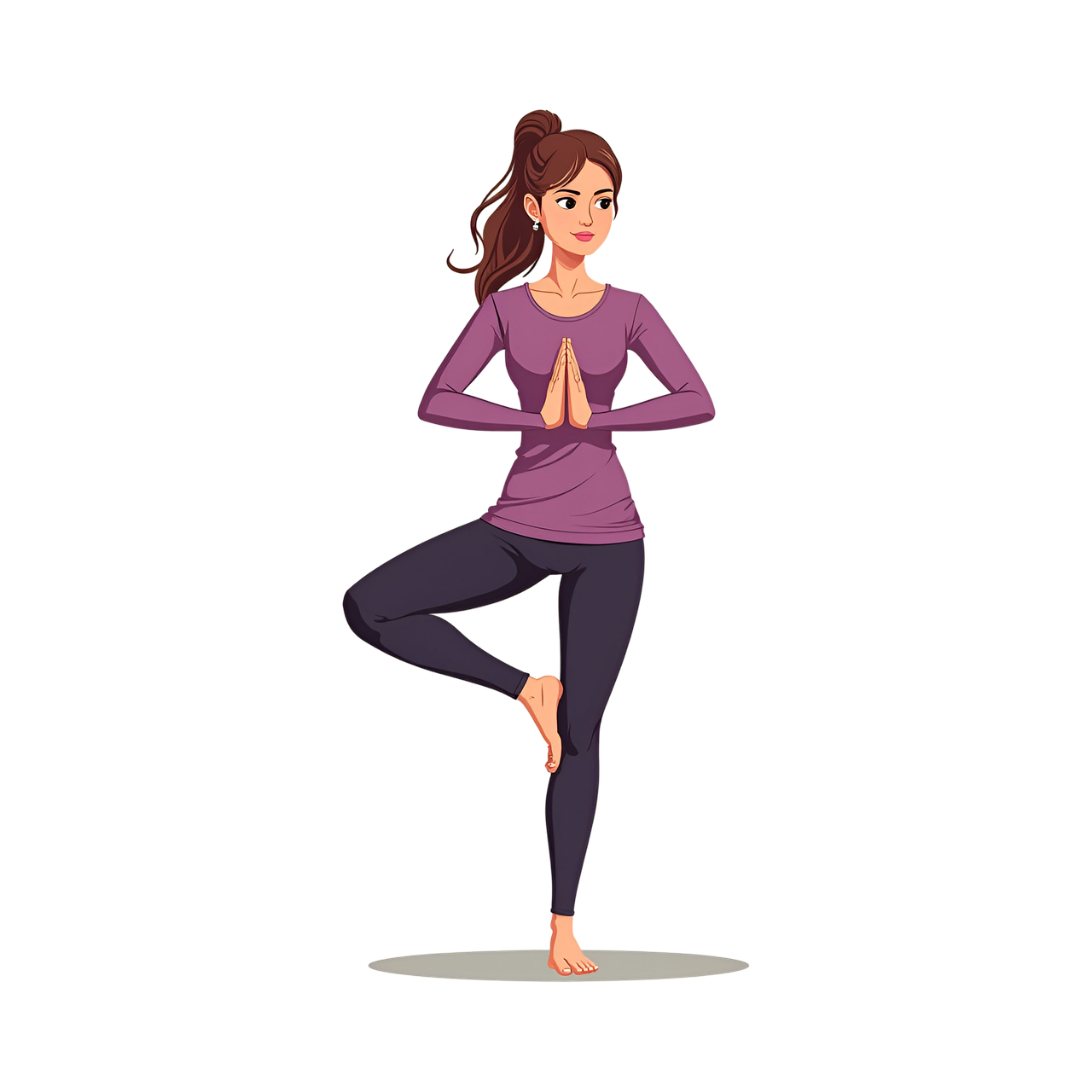

The Relationship Between Flexibility and Posture
Flexibility is a crucial element of exercise science that directly influences posture. Improved flexibility enables greater range of motion in joints and muscles, which is vital for maintaining proper body alignment. When muscles are flexible, they can adapt better to daily activities, reducing the risk of injury and discomfort caused by poor postural habits. For instance, tight hip flexors can lead to an exaggerated anterior pelvic tilt, ultimately compromising posture. Additionally, the spine relies on muscle flexibility to stabilize itself during various movements. Muscles such as the hamstrings, quadriceps, and back extensors all play significant roles in supporting spinal alignment. Inadequate flexibility may result in tightness, affecting not only posture but also overall functional performance. Stretching exercises such as static, dynamic, and proprioceptive neuromuscular facilitation (PNF) can significantly aid in enhancing flexibility. A consistent flexibility routine can restore balance among muscle groups, thereby improving posture over time. It’s essential to incorporate flexibility training within your exercise regimen to achieve optimal results. Therefore, understanding this relationship can help individuals elevate their physical wellbeing while enhancing their aesthetic appearance and reducing chronic health issues.
The connection between flexibility and posture becomes even clearer when examining specific muscle groups. Certain muscles, when tight, can lead to postural imbalances that affect the overall alignment of the body. For example, tight shoulder muscles can cause rounded shoulders, leading to a forward head position. This misalignment may increase tension in the neck and upper back, ultimately causing discomfort and pain over time. Furthermore, flexibility in the thoracic spine is essential for maintaining good posture and enabling proper shoulder movement. Stretching and strengthening routines focusing on the chest, back, and shoulders can greatly support better posture awareness. Functional activities such as yoga or Pilates often promote flexibility while emphasizing correct alignment. Incorporating a flexible spine can enhance movement dynamics in daily activities and athletic performance. Additionally, mobility work targeting the hip region helps in developing overall joint health while maintaining optimal posture. Therefore, understanding the relationship between flexibility and posture provides valuable insights for exercise professionals and individuals seeking to improve their physical health. Individualized stretching routines can aid in addressing these postural concerns, contributing to an overall better functional quality of life.
The Role of Stretching in Posture
Stretching serves as a critical tool in achieving optimal flexibility, which in turn fosters better posture. Different stretching techniques can help target specific muscle groups that tend to tighten, impairing postural alignment. Alongside traditional static stretching, dynamic stretching can also stimulate flexibility and improve range of motion before physical activities. Likewise, dynamic movements enhance blood flow and prepare the body for exercise. Flexibility training should not be overlooked in any fitness regimen, as it affects muscle elasticity and tension balance, allowing muscles to perform optimally. Furthermore, regular stretching can counterbalance the effects of prolonged sitting and sedentary lifestyles, common culprits of poor posture. A well-rounded stretching routine should integrate focal points like the lower back, hips, shoulders, and chest. Yoga poses such as Downward Dog or Upward Facing Dog exemplify how a blend of stretching and strength can directly impact posture. Additionally, flexibility increases body awareness, assisting individuals to recognize when their posture begins to misalign. Incorporating stretching effectively contributes to enhancing both flexibility and overall postural health. This active engagement is crucial for adults, especially those involved in physically demanding jobs or sedentary settings, preserving quality of life for all.
Moreover, developing healthy postural habits is essential in conjunction with flexibility training. Awareness of one’s body alignment throughout various activities is a step toward correcting poor posture and alleviating excess muscle tension. Many individuals often neglect their posture when sitting for extended periods, leading to tight hamstrings and hip flexors. Integrating regular breaks to stretch is vital for counteracting the negative impact of prolonged sitting, reinforcing proper postural habits. Correcting muscle imbalances associated with poor flexibility can lead to noticeable improvements in one’s overall posture. Engaging in exercises that encourage hip and shoulder mobility can contribute significantly towards achieving a strengthened base for supportive posture. In addition, activities such as Tai Chi can enhance body control and mindfulness, promoting awareness of body alignment through fluid movement. Body awareness techniques not only encourage mindfulness but also enhance one’s focus on adopting the correct posture. Striking a balance between strength and flexibility is crucial for integrated physical health. Through this, individuals will find that enhancing their flexibility simultaneously helps to maintain better postural habits while reducing discomfort and pain often associated with poor spinal alignment over time.
Impact of Poor Flexibility on Posture
Poor flexibility can manifest in various ways, leading to significant postural consequences. When muscles lack the required pliability, they tighten and shorten, resulting in an increased risk of injury. For instance, inflexible hamstrings can contribute to a pelvic tilt, pushing the lower back into an exaggerated curve. Such a condition may lead to chronic pain and tension in the lumbar region, compromising one’s ability to maintain an upright posture. Additionally, tight chest muscles can restrict shoulder mobility, causing the shoulders to roll forward and increasing the likelihood of developing a hunched posture. In the long term, these imbalances can affect spinal alignment and lead to further complications. To combat these issues, a targeted flexibility program is essential. Regularly incorporating stretches specific to tight muscle groups is crucial in mitigating the adverse effects of poor flexibility. Furthermore, combining strength training alongside flexibility routines develops a more balanced muscle structure, enhancing both stability and posture. Emphasizing the importance of maintaining flexibility becomes paramount in exercise science, ensuring that individuals develop effective strategies for preventing postural deficiencies while enhancing their overall wellness.
Ultimately, the synergy between flexibility and posture extends beyond mere alignment; it influences biomechanics and movement efficiency. Individuals with enhanced flexibility tend to exhibit better motor control and coordination, allowing for smoother transitions between movements. In athletic endeavors, flexibility plays a critical role in optimizing performance. Athletes who incorporate flexibility training into their workout routines are more likely to achieve their best performance while reducing injury risk. Furthermore, improved flexibility can lead to faster recovery from strenuous activities, aiding muscle relaxation and restoring optimal range of motion. A practical approach to flexibility training includes balance between various stretching methods, accommodating individual needs while recognizing the significance of their unique physical challenges. Aligning flexibility with functional movements further provides the necessary foundation for impressive athletic performance and daily living. Educating individuals on the importance of flexibility exercises not only maximizes their physical abilities but also emphasizes the long-term benefits of a consistent practice. This understanding reinforces the key role flexibility exercises play in maintaining ideal posture and overall physical health, propelling both athletes and non-athletic individuals toward a healthier lifestyle.
Conclusion
In conclusion, the relationship between flexibility and posture is undeniable and critical for overall body health. An understanding of how flexibility impacts muscle performance and joint alignment lays the groundwork for developing effective exercise routines. Emphasizing flexibility training not only improves posture but also enhances one’s quality of life through optimal movement mechanics. As discussed, the effects of poor flexibility can lead to substantial postural distortions that may result in discomfort and reduced mobility. Integrating flexibility-focused workouts can concurrently improve posture while reducing the risk of injuries. Practitioners, trainers, and individuals alike must prioritize flexibility within their fitness regimes and daily activities to establish sustainable results. By cultivating a mindset that values flexibility, individuals position themselves for better overall wellness and resilience. Through a combination of effective stretching techniques and postural awareness, individuals will find themselves leading healthier, more active lifestyles. A collaborative approach extending across exercise professionals and participants ultimately encourages a deeper appreciation for the vital role flexibility plays in enhancing posture and overall functional health. Incorporating these lessons can serve as a foundation for improved strength, balance, and flexibility well into the future.
In summary, embracing the intricate connection between flexibility and posture can yield positive outcomes for everyone. Flexibility and posture need not be viewed independently; rather, they should be integrated into a comprehensive approach to health. The synergy demonstrates that a holistic focus, combining strength, flexibility, and endurance, provides a pathway for individuals to improve their physical experience. By fostering better awareness of flexibility, individuals can take practical steps toward enhancing their posture while minimizing injuries over time. Overall, flexibility is a fundamental aspect of the body that deserves attention, especially in its unique relationship with posture. The diligent practice of flexibility exercises can lead to sustainable improvements in alignment and overall well-being. Those interested in improving their health should actively engage with flexibility as a starting point. The mutual influence between flexibility and posture illustrates the importance of physical education, client engagement, and successful coaching. Prioritizing these concepts will lead to enhanced movement patterns and performance regardless of fitness levels. Informing individuals about the significance of flexibility opens doors to a more supportive and health-conscious society, promoting a culture of wellness, functionality, and balance for all.