
The Benefits of Diaphragmatic Breathing for Lung Health
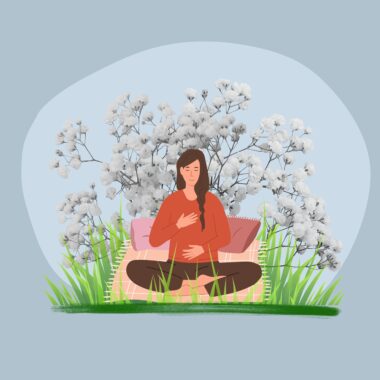
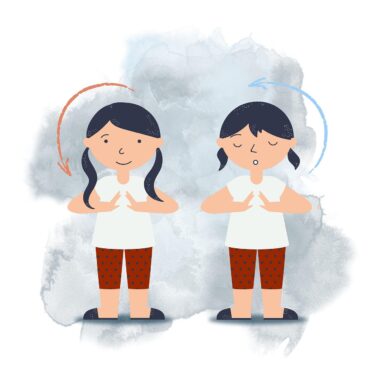
Diaphragmatic breathing, often referred to as abdominal or deep breathing, is a technique that involves fully engaging the diaphragm while inhaling. This method of breathing offers numerous benefits for lung health and overall well-being. By allowing the diaphragm to move downward, more air flows into the lungs during inhalation, increasing oxygen intake and enhancing overall respiratory efficiency. This practice can significantly help individuals with respiratory conditions such as asthma or chronic obstructive pulmonary disease (COPD). Unlike shallow breathing, which primarily uses the upper chest, diaphragmatic breathing ensures that the lower lungs are also used effectively. This technique encourages deeper, more restorative breaths, promoting relaxation and reducing stress levels. As individuals become more aware of their breathing patterns, they often report feeling calmer and more centered. Regular practice of diaphragmatic breathing can improve lung function over time and may even enhance athletic performance by increasing stamina. Furthermore, it can aid in better oxygen exchange, which is crucial for maintaining overall health. For anyone looking to harness the power of their breath, learning and incorporating this technique into daily routines offers considerable advantages.
This breathing technique enhances lung capacity and encourages full oxygen exchange—one of the vital functions of the respiratory system. When practiced consistently, diaphragmatic breathing can lead to greater lung efficiency. Improved lung efficiency helps with overall energy levels, making daily activities feel less strenuous. One of the less obvious benefits of this correct breathing method is its ability to reduce anxiety and stress. Proper, rhythmic breathing stimulates the parasympathetic nervous system, which promotes relaxation. By reducing stress levels, diaphragmatic breathing can positively affect heart health, lowering blood pressure and heart rates. With lower anxiety, individuals are more likely to engage in physical activities, contributing to better lung health. In addition to physical and mental health, diaphragmatic breathing can also improve focus and concentration. When breathing deeply and correctly, the brain receives a more significant supply of oxygen, leading to better cognitive function. Enhanced concentration can improve productivity at work or school, making this technique highly beneficial for students and professionals alike. Overall, diaphragmatic breathing is a simple yet effective method for nurturing lung health and promoting a balanced, healthy lifestyle.
Improving Lung Function
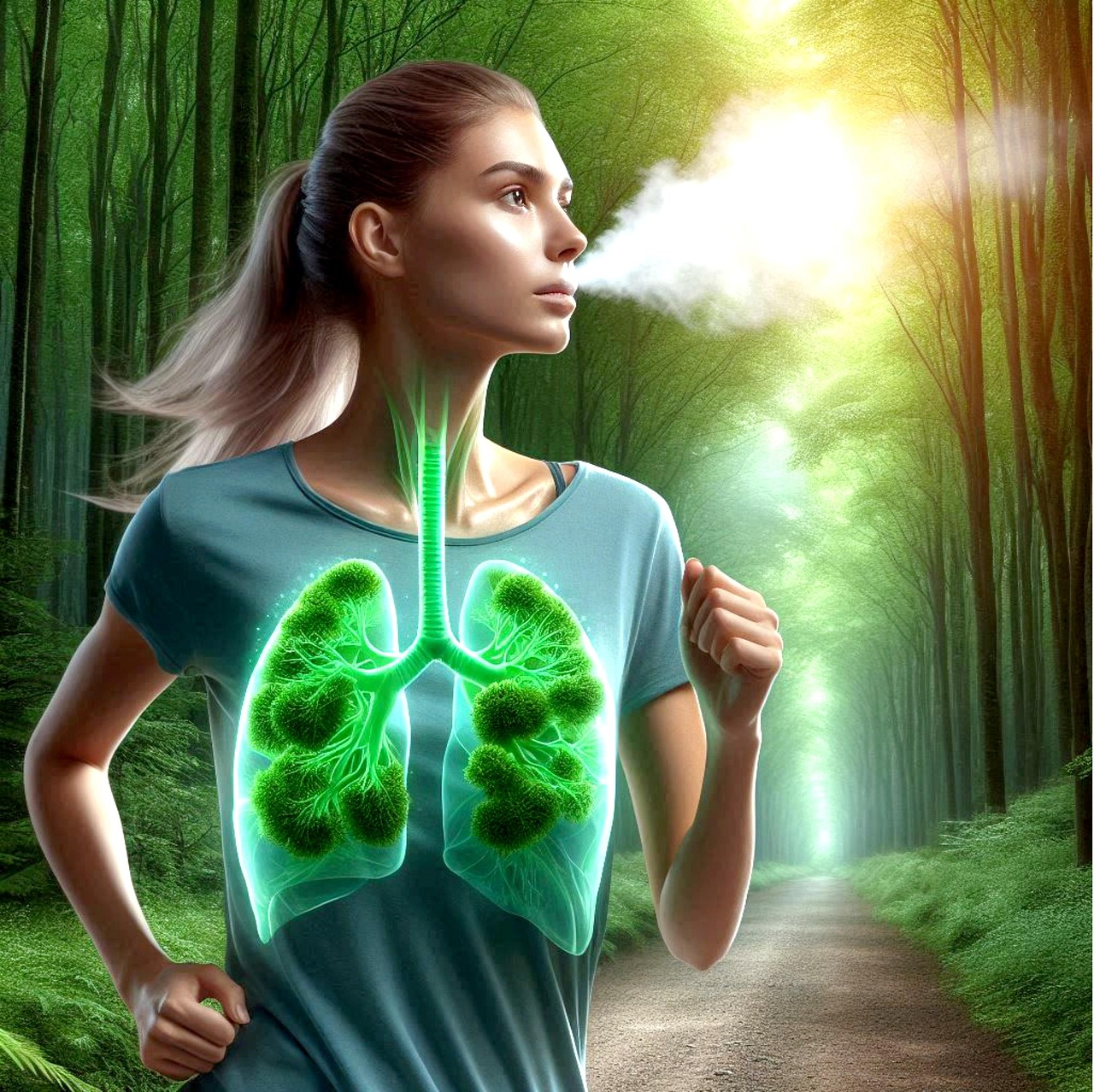
One of the most remarkable benefits of diaphragmatic breathing is the improvement of lung function over time. Lung function is often assessed through vital capacity and how effectively the lungs exchange gases. Practicing diaphragmatic breathing can lead to an increased vital capacity; this is particularly beneficial for those with compromised lung conditions. By strengthening the diaphragm muscle, it enhances the breathing process, as the diaphragm acts as a major muscle of respiration. A stronger diaphragm means that when inhaling, the air is distributed evenly throughout all parts of the lungs, which can lead to improved oxygenation. Furthermore, engaging in this breathing technique helps clear out stale air from the lungs, allowing fresh air to replace it effectively. This can lead to an increased feeling of vitality and renewed energy. Many people who incorporate diaphragmatic breathing into their daily routines notice significant improvements in their overall lung capacity, which is particularly crucial for athletes. Enhanced lung function is paramount not only for physical fitness but also for circulation, as oxygenated blood flows throughout the body, aiding various bodily functions that depend on proper oxygen supply.
Improving lung function with diaphragmatic breathing can also lead to better sleep quality. Many individuals struggle with sleep-related issues, and often stress and anxiety play significant roles in these challenges. By implementing this technique in a pre-sleep routine, people are likely to experience deeper and more restful sleep. Improved respiratory function allows for increased relaxation, which is essential for falling asleep promptly. It’s shown that deep breathing can help reduce the symptoms of sleep apnea, resulting in fewer interruptions throughout the night. Moreover, a better oxygen exchange leads to decreased levels of carbon dioxide in the bloodstream, promoting overall relaxation for those who practice it regularly. This restorative sleep cycle greatly influences the healing process of the lungs and can alleviate respiratory illnesses. As individuals adopt diaphragmatic breathing, they will likely find themselves waking up feeling more rejuvenated and energetic. It creates an ideal environment for healing during sleep, which is essential for lung recovery after any kind of physical exertion or illness. Thus, good sleep, coupled with effective breathing techniques, shapes a holistic approach to lung health.
Enhancing Emotional Well-being
The practice of diaphragmatic breathing significantly extends its benefits beyond the physical realm to encompass emotional well-being as well. Chronic stress and negative emotional states often lead to shallow breathing, perpetuating a cycle of distress. By consciously practicing diaphragmatic breathing, individuals can break this cycle and promote emotional stability. With every deep, deliberate breath, individuals experience a calming effect that can help reduce symptoms of anxiety or depression. Enhanced oxygen levels can elevate mood and cognitive function, contributing to better mental health. Also, this breathing technique can act as a tool for mindfulness, encouraging individuals to stay present in the moment. Many find that when they focus on their breath, they also enhance their self-awareness, leading to a better understanding of their emotional triggers. As a result, individuals may handle stressors more effectively. Integrating diaphragmatic breathing into one’s daily routine serves as a proactive approach to maintaining mental clarity and emotional balance. The mental benefits, combined with the physical advantages of improved respiratory function, underscore the value of this simple yet transformative technique for enhancing overall quality of life.
The connection between diaphragmatic breathing and improved lung health is well documented. Enhanced lung function via this practice leads to numerous positive physical outcomes. People with conditions affecting lung health often find that incorporating this technique into their treatment plans can ease symptoms. Respiratory therapists commonly recommend diaphragmatic breathing to individuals looking to boost lung performance and manage chronic conditions. This approach is grounded in the physiological changes that occur when the diaphragm is fully engaged. For example, by regulating airflow and increasing air exchange within the lungs, it helps decrease the difficulties associated with many respiratory illnesses. Taking a proactive approach to lung health today can potentially safeguard against declining lung function in the future. Moreover, this technique can form a part of a comprehensive approach in pulmonary rehabilitation, where patients engage in exercises designed to strengthen the lungs alongside deep breathing practices. Both facets work synergistically to enhance lung capacity and decrease breathing troubles. The cumulative impact of improved lung health from diaphragmatic breathing can lead to a higher quality life, increased activity levels, and a much more vibrant lifestyle.
Final Thoughts on Diaphragmatic Breathing
To summarize, the numerous benefits of diaphragmatic breathing contribute positively to lung health and overall well-being. This technique is not just for those suffering from respiratory issues, but for anyone wishing to boost their physical and emotional health. The remarkable promise of improved lung capacity, enhanced oxygen intake, and emotional resilience suggests this practice should be integrated into daily life. For individuals interested in exploring this further, various resources, including classes or online tutorials, exist to guide the learning process effectively. Regular practice ensures that the diaphragm’s strength and functionality are continuously enhanced. Setting aside time each day for this purposeful breathing can yield lifelong benefits. Moreover, engaging with a community that practices these techniques can offer additional support and encouragement. Individuals may also find that better social interactions arise as a result of reduced anxiety and enhanced emotional stability. Thus, whether you are an athlete, someone managing a lung condition, or simply seeking a pathway to improved wellness, embracing diaphragmatic breathing is an invaluable investment in health.
Incorporating diaphragmatic breathing into daily practice is one of the simplest yet most impactful wellness strategies. As awareness builds around the technique, more people are realizing its far-reaching benefits. With the overwhelming evidence supporting its practice, there’s no time like the present to start utilizing this transformative breathing method. As diaphragmatic breathing becomes a lifestyle, individuals will likely notice significant changes in their lung health, emotional balance, and overall vitality. Additionally, documenting personal experiences and progress in practicing this breathing technique can be incredibly motivating. Keeping a journal of insights and changes can provide greater motivation and accountability. It also allows individuals to reflect on their progress in mastering the technique while recognizing the positive impacts on their lives. Therefore, seek out opportunities to practice this at any moment, be it during workouts, at work, or when winding down in the evening. Harnessing the power of breath has the potential to change lives, making it an essential lesson for people of all ages. Enhanced lung health sets the foundation for a fuller and richer life experience.