
Can Drinking Alcohol Cause Weight Gain? Myths and Facts Explained
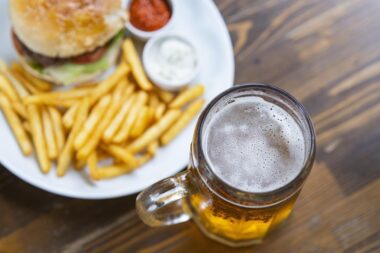
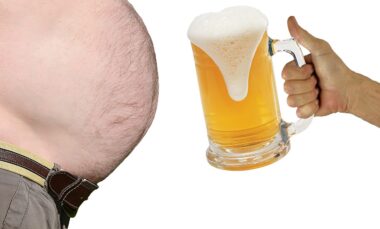
Many people believe that drinking alcohol directly leads to weight gain, often citing its calorie content as the primary reason. However, it’s essential to understand that weight gain depends on a combination of factors. Alcohol does contain calories, and some drinks can indeed be calorie-dense. For example, a standard beer may have around 150 calories, while a cocktail can easily exceed 300 calories. Nevertheless, it’s not merely the calories that contribute to weight gain; it’s how they fit into your overall dietary habits. Consuming excess calories from alcohol might lead to imbalances that result in weight gain, particularly if it encourages unhealthy eating behaviors. Furthermore, alcohol can increase appetite and lower inhibitions, causing individuals to snack more. Therefore, it’s not accurate to single out alcohol as the sole reason for weight gain without acknowledging the role of overall lifestyle choices. To manage weight effectively, one should consider both dietary habits and physical activity levels when consuming alcohol. Ultimately, moderation is key when integrating alcohol into your diet while striving for a healthy weight.
Understanding Alcohol and Calories
The calorie content in various alcoholic beverages often raises questions regarding their impact on nutrition. Different drinks vary significantly in terms of caloric density; for instance, a glass of wine might provide around 120-130 calories, while a strong cocktail with syrups and mixers could go beyond 200 calories. Additionally, many people enjoy pairing their drinks with food, inadvertently increasing their overall caloric intake during social gatherings. Moreover, understanding how these calories fit into a daily diet is crucial. If someone consumes more calories than they burn, regardless of the source, they’re likely to gain weight. Studies have shown that individuals who drink in moderation often do not exhibit significant changes in body weight. It’s essential to be aware of not just the calories in alcohol, but also the effects of alcohol on metabolism. Alcohol can disrupt normal metabolic processes, affecting how the body handles food and fat. Thus, while the calorie content of alcoholic beverages is significant, other factors also play pivotal roles in weight management and fat storage.
When considering the consequences of drinking alcohol, it is important to look at the overall lifestyle choices individuals make while consuming it. Drinking alcohol is often accompanied by poor food choices, especially in social settings where snacks and high-calorie meals are commonly available. These foods are often high in fats and sugars and can lead you to consume more calories than you realize. Coupled with the effects of alcohol on judgment and inhibition, individuals may be more prone to indulge in excess eating. Additionally, some studies suggest that alcohol consumption may interfere with the body’s ability to burn fat effectively, which could contribute to weight gain over time. Moreover, chronic alcohol consumption may also lead to increased fat storage, particularly in the abdominal area, which is linked to more serious health issues. Achieving a balanced approach is vital for those who enjoy drinking and are concerned about weight management. Mindful drinking, combined with healthy eating and regular physical activity, can mitigate the potential negative effects of alcohol on nutrition and weight.
The Myth of Alcohol as a Diuretic
One common myth about alcohol is its classification as a diuretic. While it is true that alcohol can lead to increased urination, this doesn’t necessarily mean that it contributes to weight loss or the elimination of water weight. In fact, consuming alcohol can lead to dehydration, which might provoke a false sense of weight loss that is primarily water weight. This dehydration could trigger the body to hold onto more water in the long run, ultimately balancing out the perceived effects. Furthermore, frequent consumption of alcoholic drinks may lead to cravings for high-salt foods, exacerbating water retention. The effect can counteract the initial misconception of alcohol leading directly to weight reduction. Understanding this detail allows better management of expectations regarding alcohol consumption and body weight. It is essential to drink responsibly, staying hydrated with water or non-alcoholic beverages between alcoholic drinks to help mitigate these effects. Being mindful can enhance enjoyment while minimizing unwanted impacts on hydration and body weight during social occasions.
Another common misconception revolves around the time of day one consumes alcohol. Many believe that drinking late at night leads directly to weight gain, attributing this to post-dinner calorie intake. However, the timing of consumption alone isn’t the sole determinant of weight gain. Instead, it is the total caloric intake throughout the day, including alcohol, that matters for weight management. While late-night drinking may be often accompanied by higher calorie snacks or late-night meals, it is not the alcohol in itself causing weight issues, rather the choices made while drinking. Additionally, individual metabolism and overall lifestyle habits also play a significant role in how late-night calories are processed. Those who maintain a healthy diet and active routine may not experience weight gain despite occasional late-night drinking. Understanding the relationship between alcohol timing and calorie consumption can clarify this pervasive myth. Balancing late-night social perks while maintaining healthy habits can allow people to enjoy life without impacting their nutritional goals.
Sugar Content in Cocktails and Mixers
The sugar content in cocktails and mixers plays a crucial role in understanding potential weight gain from alcohol. Many people are unaware that flavored mixers often contain significant amounts of sugar, contributing to higher overall calorie consumption. Pre-packaged mixers can contain added sugars and artificial sweeteners that don’t align with a healthy diet. For instance, a margarita can add upwards of 200 calories or more due to the added sugars from syrups and juices. Even light cocktails can be calorie dense and laden with sugars, amplifying the risks associated with weight management. Additionally, drinks like margaritas and piña coladas are not only rich in sugar but also in empty calories that provide little nutritional value. It’s beneficial to know the ingredients in your drinks and opt for healthier alternatives, such as using soda water instead of sugary mixers. By making conscious choices and being aware of sugar content, individuals can enjoy their drinks while minimizing the potential negative impacts on their weight management. Be informed about what you consume and find ways to enjoy alcohol responsibly.
Moderation remains the key takeaway when it comes to drinking alcohol without negatively affecting your weight. Consuming alcohol occasionally and in moderate amounts will have less impact on your health than binge drinking or consuming alcohol excessively. It’s essential to keep track of not only alcoholic calories but also dietary choices surrounding alcohol intake. Following a balanced approach, balancing alcohol with healthy food choices and exercise, can mitigate potential weight gain. Furthermore, being mindful of portion sizes, tracking caloric intake, and choosing lower-calorie drinks can help maintain or achieve weight goals. Whenever possible, prioritize healthier ingredients or low-calorie options to reduce the likelihood of excess caloric intake. Continuously reevaluating your habits creates awareness of how alcohol affects your body. Ample hydration before, during, and after alcohol consumption can also ensure that any potential negative effects are managed. With thoughtful choices, individuals can navigate social situations while still maintaining a healthy lifestyle. Though alcohol contains calories, it can fit into a well-rounded diet without leading to unwanted weight gain.