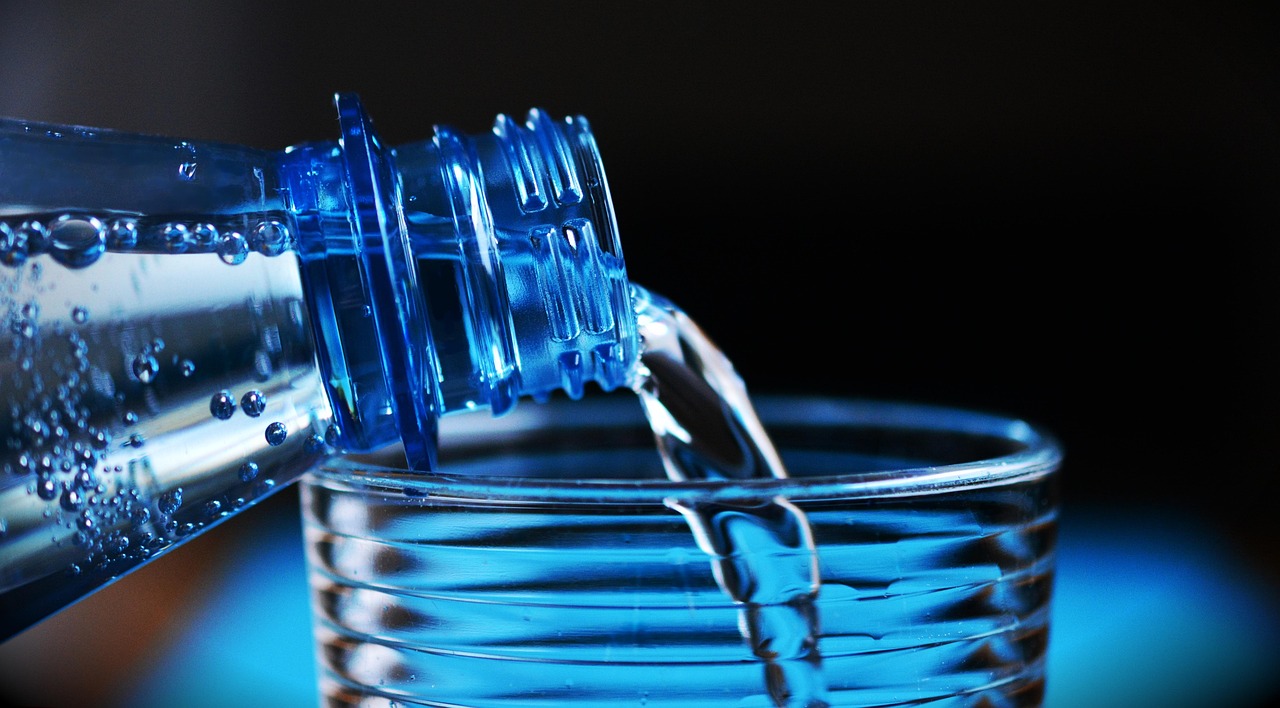

Hydration Tips While Following a Low-Carb Lifestyle
Staying hydrated is essential when adopting a low-carb lifestyle, as your body needs sufficient water intake to function optimally. When carbohydrates are reduced, your body enters ketosis, leading to increased water and electrolyte loss. Prioritizing hydration can help mitigate the possible side effects associated with this transition, such as headaches, fatigue, and muscle cramps. Numerous signs indicate dehydration, including dry mouth, dark-colored urine, and fatigue. To maintain hydration, aim to drink at least eight 8-ounce glasses of water daily, adjusting based on activity level and climate conditions. Incorporating hydrating foods into your diet, such as cucumbers, tomatoes, and leafy greens, can also enhance your fluid intake. While water is the most straightforward choice, herbal teas and broths can provide additional hydration. Opt for caffeine-free options if you struggle with hydration during your low-carb journey. Additionally, be mindful of alcohol, as it can dehydrate you. Consume beverages rich in electrolytes, like coconut water or electrolyte supplements, to replenish lost minerals. Staying on top of your hydration needs will ensure your low-carb diet remains sustainable and enjoyable.
The Importance of Electrolytes
Electrolytes play a critical role in hydration and bodily functions, particularly when following a low-carb diet. Sodium, potassium, and magnesium are essential electrolytes that help maintain fluid balance, regulate muscle contractions, and support nerve function. As you reduce carbohydrate intake, your body tends to excrete more electrolytes, potentially leading to imbalances. Therefore, monitoring your electrolyte levels is vital for maintaining optimal hydration. To replenish lost electrolytes, consider incorporating foods rich in these minerals into your meals. Avocados, spinach, and nuts are excellent sources of potassium, while dairy products provide calcium and magnesium. Some low-carb diets recommend supplementing with electrolyte powders, which can be easily mixed into your favorite beverages. In addition to food sources, bone broth is a nutrient-dense option that provides hydration along with essential minerals. Drinking it regularly can significantly enhance your electrolyte levels. Moreover, be cautious about excessive sodium intake, which can lead to high blood pressure. The right balance of electrolytes will not only improve your overall health but also support your weight loss efforts while following a low-carb lifestyle.
Hydration during exercise is particularly important, especially when adhering to a low-carb diet. Higher physical activity levels increase water needs, and a lack of hydration can hinder performance and recovery. When exercising, dehydration can lead to diminished strength, endurance, and concentration, negatively impacting your workout results. To maintain hydration throughout your fitness routine, drink water before, during, and after workouts. Consider weighing yourself before and after exercise to determine fluid loss, aiming to replenish two cups of fluid for every pound lost. If you are participating in intense training sessions or endurance events, consider incorporating electrolyte drinks to replace lost minerals. Being mindful of the climate you exercise in is crucial; hotter temperatures can lead to greater fluid loss. Adjust your hydration strategy according to these factors, and listen to your body’s signals to identify when more water is necessary. Using hydration reminders via smartphone apps can assist in tracking your intake effectively. Ensuring proper hydration levels will help you optimize your conditioning and strengthen your low-carb diet while achieving faster recovery times after your workouts.
Mindful Drinking Choices
Your beverage choices can significantly impact your hydration status while following a low-carb lifestyle. It’s essential to be mindful of sugary drinks, which can not only contribute excess carbohydrates but also lead to dehydration. Soft drinks, energy drinks, and sugary coffee beverages can spike insulin levels and counteract weight loss efforts by increasing cravings. Instead, opt for low-carb beverages like still or sparkling water with lemon or mint for a refreshing flavor without added sugars. Herbal teas are another great choice, offering hydration while providing antioxidants and relaxation benefits without carbohydrates. Adding lemon or cucumber slices can enhance flavor and appeal. For those who enjoy coffee, try unsweetened options, which can still be hydrating when consumed in moderation. Alcohol can hinder hydration and present challenges in adhering to a low-carb diet. If you choose to drink, select low-carb options, such as spirits mixed with soda water. Ultimately, being conscious of your drink choices can help ensure adequate hydration while maintaining a balanced low-carb lifestyle.
Tracking your daily hydration can be an effective strategy while following a low-carb diet. Keeping a hydration journal can boost awareness of your fluid intake, encouraging you to meet or exceed your hydration goals. Digital health applications are another great way to monitor how much water you’re drinking daily, providing reminders when it’s time to hydrate. Consider measuring out daily water portions, ensuring easy access throughout the day, and allowing yourself to stay on top of your hydration needs. Mixing it up with flavored non-caloric drinks can make drinking water more enticing, helping you stay hydrated. While you may get some hydration from solid food, especially fruits and vegetables, monitoring your fluid intake independently is crucial. Aiming for a consistent routine, like drinking a glass of water after every meal or during specific breaks, can help develop positive hydration habits. Consistently observing your hydration levels can contribute to maintaining energy levels, improved focus, and overall well-being while on a low-carb journey. Remember, proper hydration supports weight loss by promoting metabolic processes essential for success.
Signs of Dehydration to Watch For
Recognizing the signs of dehydration is essential for anyone, especially those following a low-carb diet. Symptoms of mild dehydration may include dry mouth, fatigue, dizziness, headaches, or dark urine. Once you notice these signs, it’s crucial to take immediate action to hydrate. Achieving better hydration starts with understanding your body’s needs. Pay attention to factors like physical activity, environmental temperature, and daily fluid intake. When exercising, be especially alert to signs of dehydration, as they can come on quickly. For those adhering to low-carb diets, understanding the relationship between dehydration and the symptoms experienced during ketosis can help manage potential discomfort. You may experience initial fatigue, increased urination, and carbohydrate cravings as your body transitions into ketosis. Prevent these issues by maintaining proper hydration levels and consuming electrolyte-rich foods. If symptoms persist despite drinking adequate fluids, consult a healthcare professional for guidance. Being proactive in recognizing dehydration can enhance your well-being and support your weight loss journey while adhering to a low-carb lifestyle, ensuring the best results from your dietary habits.
Staying consistent with your hydration is crucial to achieving long-term success during your low-carb diet. Rather than relying solely on thirst as an indicator of your hydration levels, proactively incorporating hydration into your daily routine helps maintain optimal fluid balance. Set personal hydration targets and adjust them according to your activity levels, climate, and dietary needs. Carrying a reusable water bottle with you can serve as a visual reminder to drink throughout the day, making hydration more accessible. Establishing hydration checkpoints during daily activities can ensure you’re getting enough fluids at critical times. For example, drink a glass of water upon waking up, throughout meals, and during scheduled breaks. Developing these habits can turn hydration into a seamless part of your routine. Experimenting with hydrating low-carb recipes, like smoothies or infused water, adds variety and keeps you engaged. Further, consider exploring new flavor combinations for herbal teas or experimenting with homemade electrolyte drinks. The key is finding a system that works for you while supporting your overall health. With consistent efforts to prioritize hydration, you’ll enhance your low-carb lifestyle’s effectiveness, making it a sustainable solution for long-term weight loss.