
Calcium-Rich Vegan Foods That Help Avoid Bone-Related Deficiencies
Calcium is vital for bone health, particularly in vegan and vegetarian diets where sources can be limited. To avoid deficiencies, integrating calcium-rich foods is crucial. Leafy greens such as kale, bok choy, and collard greens not only provide calcium but are also rich in vitamins and minerals. Tofu, especially when set with calcium sulfate, is another excellent source of this essential mineral. Also, fortified plant-based milks and juices deliver substantial calcium amounts, catering to both taste and nutrition. Ground sesame seeds or tahini are unique additions to meals, enhancing calcium intake and adding flavor. Other nutrient-dense foods include almonds and chia seeds, both providing calcium and healthy fats. It’s beneficial to combine these foods with vitamin D sources to enhance calcium absorption. Regularly consuming these foods will help support bone density, particularly important for those who do not consume dairy. Consider keeping a diverse array of these foods on hand to ensure adequate calcium levels throughout the week. If unsure about dietary choices, consulting a nutritionist can help tailor a plan based on personal needs.
Leafy Greens: A Great Source of Calcium
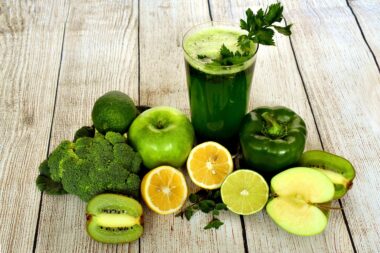
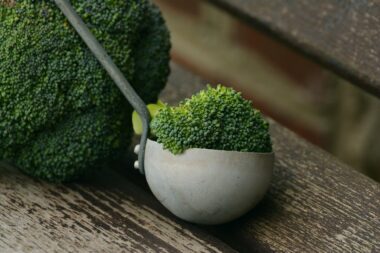
Incorporating leafy greens into your vegan diet is an excellent strategy to boost calcium intake. High-calcium greens like kale, collard greens, and turnip greens not only contribute to calcium levels but are also packed with phytochemicals and vitamins. Eating these vegetables raw or cooked significantly adds value to your meals. Health-conscious individuals often toss these greens in salads, smoothies, or stir-fries. Other greens such as bok choy and spinach also provide significant calcium content. However, oxalates present in certain greens like spinach can inhibit calcium absorption. Therefore, a balanced approach is advised. Although kale is a champion in calcium, other nutrients like magnesium are essential for bone health. You can enhance the calcium boost further by pairing greens with lemon juice or vinegar, which help increase calcium absorption in the body’s system. Experimenting with different leafy greens not only promotes diversity in diet but ensures you gain numerous health benefits. Transitioning to a more plant-based diet requires motivation. Consider meal prepping with these greens for handy options throughout the week. Every meal can be an opportunity to nourish your bones.
Plant-based milks are wonderfully versatile and a superb source of calcium, appealing to both vegans and non-vegans alike. Many brands offer fortified versions, enriching almond, soy, and oat milk with a commendable amount of calcium. Switching to fortified plant-based milk is an effortless way to ensure you’re not missing out on calcium during meal times. These drinks can be enjoyed in smoothies, with cereal, or in baking. Always check labels for calcium content since the level can vary significantly between products. Moreover, combining milk with calcium-rich cereals can create a highly nutritious breakfast or snack. Another delicious option is using coconut yogurt, which can also come fortified, adding creaminess to dishes. Selecting plant-based options infuses creativity and fun into your diet while meeting your nutritional goals. Versatile enough for both savory and sweet dishes, fortified milks serve more than just liquid refreshment. They provide an easy way to maintain adequate calcium levels, supporting bone density and overall health. For those who may struggle to get sufficient calcium, it’s worthwhile to incorporate these options regularly. Drinking your nutrients is an enjoyable way to work toward dietary goals.
Fortified Foods: The Key to Adequate Calcium Intake
Fortified foods are essential in maintaining calcium levels within a vegan diet. Many products today are fortified with calcium, making it easier for vegans to meet their requirements. Common examples include fortified cereals, plant-based yogurts, and snacks. These foods often contain levels equivalent to or exceeding dairy products. When choosing cereals, always look for options that list calcium content on the nutritional label. Consuming fortified snacks like granola bars can help bridge the nutritional gap as well. For many, combining fortified foods with whole grains enhances both taste and nutrition, aiding in the consumption of calcium-rich meals. Breakfast becomes particularly enjoyable when you choose options like calcium-fortified smoothie bowls with various toppings, ensuring deliciousness alongside nutrients. Notably, fortified nut and seed butter can also serve as a high-calcium spread for bread or fruit. Exploring different varieties of fortified items allows for creativity in meal preparation, ensuring dietary fulfillment. Moreover, these fortified options help avoid the common pitfalls of calcium deficiencies, reflecting the diversity of plant-based diets today. Considering a balanced approach ensures that meals not only satisfy but cater to overall health needs.
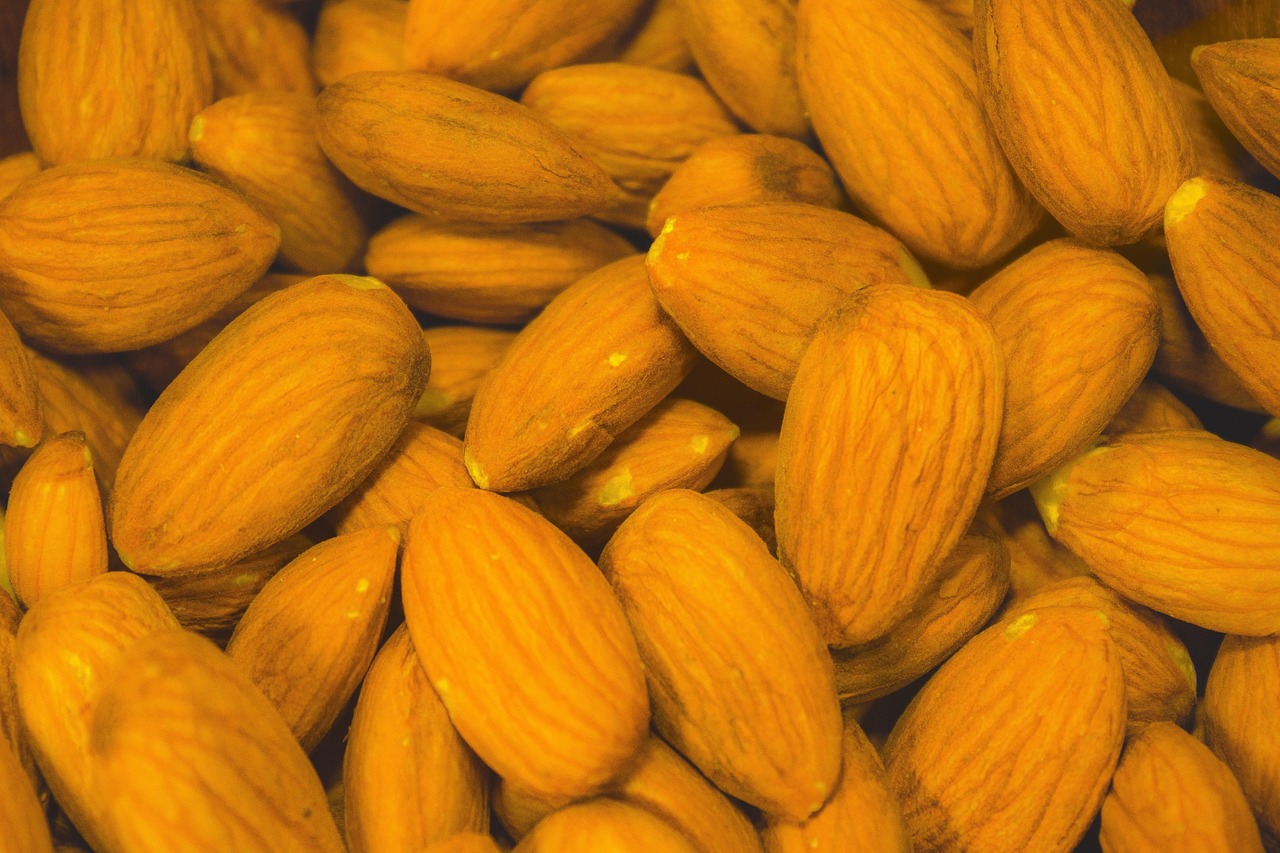
Eating nuts and seeds is a great way to boost calcium intake significantly. Almonds lead the pack as the top nut source of calcium, providing around 76 mg per ounce. Not only do they supply calcium, but they also offer heart-healthy fats and proteins, making them an ideal snack. In terms of seeds, sesame seeds, in particular, can be an effective source of calcium, containing about 280 mg per ounce. Incorporating tahini, a sesame seed paste, into hummus or dressings is a tasty way to access their health benefits. Chia seeds, another powerhouse, not only provide calcium but also omega-3 fatty acids and fiber. Adding them to smoothies or puddings can enhance both flavor and nutrition. They absorb liquid, offering a unique texture when soaked. Additionally, flaxseeds present in granola or sprinkled over salads can ensure a nutritious boost. It’s essential to include a variety of these nuts and seeds in your diet for overall health. With their combination of flavor and nutrients, they make a delicious and easy way to enjoy calcium while satisfying your cravings. Stocking nuts and seeds can enrich any meal seamlessly.
Tofu: A Versatile Calcium Source
Tofu serves as a versatile ingredient ideal for vegans craving a calcium boost. Made from soybeans, it’s rich in protein and calcium, making it an exceptional meat substitute. When purchasing tofu, be mindful to select varieties set with calcium sulfate for maximum calcium content. Silken tofu enhances soups and smoothies while firm types are suitable for stir-fries or grilling. Tofu can absorb flavors excellently, adapting well to various dishes regardless of cuisine, increasing its functionality in meals. Using tofu in breakfast scrambles, salads, or even desserts can provide diverse avenues for nutrition. Notably, the calcium content may vary depending on preparation and cooking methods. Simply incorporating a few servings each week helps reach the recommended daily intake. Often considered a superfood, tofu provides essential amino acids that aid in overall dietary balance. Many incorporate tofu into balanced diets that prioritize plant-based eating patterns. Additionally, vegan recipes abound, showcasing tofu’s ability to shine in diverse culinary spaces. With its health benefits, integrating tofu into regular meal prep encourages creativity in the kitchen while prioritizing nutrient-rich meals. Therefore, trying various preparations keeps it exciting and healthful.
Vitamin D is crucial in aiding calcium absorption; hence pairing calcium-rich foods with vitamin D sources is recommended. Without adequate vitamin D, the body struggles to utilize calcium effectively. Sun exposure is one of the best sources of vitamin D, with direct sunlight synthesis on the skin occurring. However, dietary sources like fortified plant milks or specific mushrooms provide additional options. Consuming foods enriched with vitamin D alongside calcium-rich items can maximize your nutrition. Additionally, consider supplementing vitamin D if necessary, particularly during seasons with less sunlight. Creating a balanced plate that includes both calcium and vitamin D enhances overall dietary benefits. Furthermore, checking labels when purchasing fortified products ensures they contribute suitably to calcium needs. As you craft meals, aim to incorporate colorful, nutrient-dense foods that naturally encourage calcium and vitamin D intake simultaneously. Including avocados, citrus fruits, and nuts can work harmoniously in a dish. Such well-rounded meals support bone strength, which is vital for long-term health. Managing nutrient intake efficiently can prevent future deficiencies. Embracing a variety of meals allows for creative expression in vegan cooking while ensuring wellness is prioritized as well.
In summary, achieving a balanced vegan diet while avoiding calcium deficiencies is truly feasible with thoughtful planning. Incorporating diverse calcium sources like leafy greens, fortified products, tofu, nuts, and seeds can create delicious meals. Awareness of calcium-rich foods helps those following vegan diets make nutritious choices consistently. Consulting with a nutritionist to develop a personalized plan is essential for addressing any specific dietary needs. Cooking with a variety of ingredients not only enhances your meals but also ensures you’re obtaining sufficient calcium from different sources. Ultimately, a comprehensive approach will foster good bone health and prevent potential deficiencies. Keeping an eye on vitamin D levels is equally essential, as it plays a significant role in calcium absorption. Thus, combining these nutrients in daily meals will yield optimal results. Supplementation may be warranted, particularly for those struggling to achieve necessary nutrient levels. Developing healthy eating habits will positively impact overall wellness. Share your experiences and favorite calcium-rich vegan recipes to inspire others on their dietary journey. Remember, every meal can be an opportunity to build a strong, healthy body as a vegan.