
The Origins of CrossFit: Where It All Began
The journey of CrossFit began in the early 2000s, driven by Greg Glassman’s vision and innovation. Residing in Santa Cruz, California, he sought to bridge the gap between traditional fitness regimes and athletic performance. This resulted in a functional training program designed to enhance overall physical fitness through varied, high-intensity workouts. The unique approach to fitness incorporates a variety of movements necessary for everyday life, thus aiming to prepare individuals for any physical challenge. Another significant aspect was the community-driven environment that CrossFit fostered. Individuals became part of a supportive network, encouraging motivation and accountability during workouts. The methodology utilized different modalities like weightlifting, gymnastics, running, and more, making each session dynamic and versatile. This innovative blend of workouts not just appealed to elite athletes but also to beginners seeking a comprehensive fitness regime. As interest grew, classes began to expand beyond the initial program, leading to the establishment of various affiliate gyms. This marked the inception of what would become a global CrossFit movement, transforming fitness culture forever. The effects were profound, creating a dedicated following of enthusiasts striving for their best selves.
As the popularity of CrossFit rose, it laid the foundation for a unique and structured fitness methodology. CrossFit’s development can be likened to a perfect storm, comprising community engagement, education, and discipline. By offering workout plans that prioritize functional movements, it encouraged participants to develop strength and conditioning in practical aspects of life and sport. Influentially, the term ‘CrossFit’ was coined in 2000, encapsulating a blend of cross-training tactics and high-intensity workout routines that appealed to a diverse range of fitness enthusiasts. The pivotal moment for CrossFit was undoubtedly the launch of the CrossFit Games in 2007, which showcased the capabilities of outstanding athletes worldwide. This event sparked healthy competition, propelling CrossFit further into the mainstream fitness culture. Media coverage increased exposure and interest, encouraging thousands to try out CrossFit for themselves. Moreover, the social media age illuminated the achievements and transformations of individuals, allowing aspiring athletes to share their progress. This buzz around personal stories of transformation became central to the CrossFit identity, instilling hope and motivation in many across the globe.
Cultural Impact and Growth
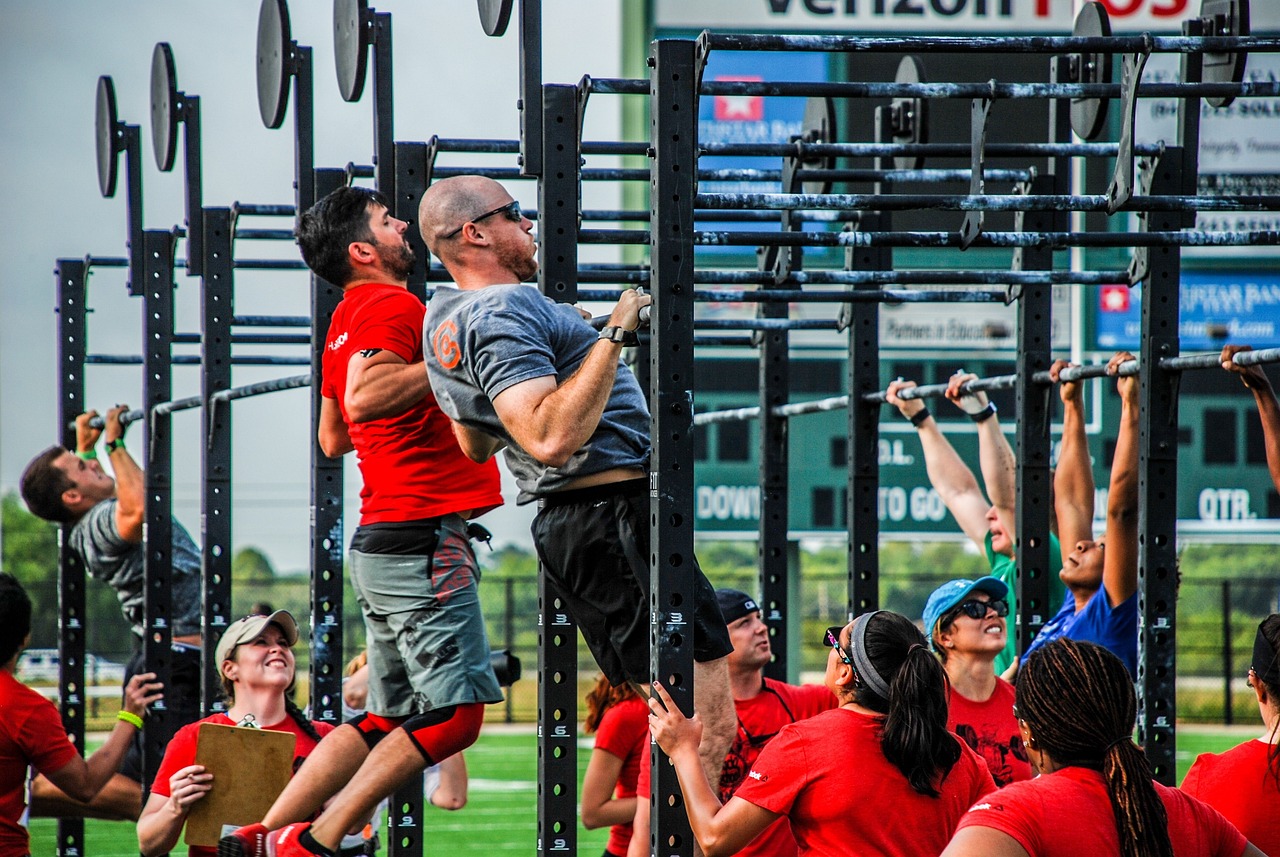
The cultural impact of CrossFit cannot be overstated, as it has fostered a new lifestyle for individuals of various backgrounds. The CrossFit model revolutionized not just training but also how communities engage with fitness. Classes emphasize teamwork and camaraderie, making workouts not only effective but also enjoyable. Gyms referred to as “boxes” bring people together, similar to local meeting spots where friendships flourish through shared struggles and triumphs. This unique atmosphere contributes to a heightened commitment to personal health and well-being. Furthermore, CrossFit’s ethos encourages the idea that fitness is a lifelong journey rather than a destination. With an abundance of online resources, fitness enthusiasts can access workout tips, nutrition advice, and training videos globally. This inclusivity keeps individuals inspired and informed, supporting their continuous development. As research highlights the importance of social connections in fitness, CrossFit excels in promoting healthy relationships among participants. The community-centric approach empowers individuals to embrace fitness not merely as a task but a lifestyle choice filled with shared experiences.
Another significant factor contributing to CrossFit’s appeal is its adaptability. The program is structured to accommodate individuals of all fitness levels, ensuring everyone can participate and benefit from the workouts. This adaptability aligns with Glassman’s vision of making fitness accessible and attainable for diverse populations. Different scaling options allow trainers to modify exercises according to an individual’s capabilities, showcasing CrossFit’s belief that everyone deserves a chance to improve their health. Additionally, this inclusiveness has led to the proliferation of various specialty courses and certifications, expanding the knowledge base within the CrossFit community. Ascending through dedicated training and experience, athletes discover new strengths and abilities that they never knew existed. This progressive journey fuels a profound sense of achievement and fosters resilience in participants. Consequently, many practitioners have shared their positive experiences, compelling others to give CrossFit a try. By embracing challenges together, the CrossFit community cultivates an invigorating space for growth and support, enhancing both physical and mental well-being among its participants.
The Legacy of CrossFit
The legacy of CrossFit continues to shape the fitness landscape profoundly. Its influence reaches beyond the gym, instilling a paradigm shift in how people conceptualize physical fitness. As more individuals recognize the importance of functional movement, this fitness philosophy inspires a myriad of programs and training methods. Beyond the confines of local boxes, CrossFit has spurred the creation of global affiliates, allowing people to engage with the movement worldwide. This expansion has led to collaborations with various organizations, enhancing the greater fitness community. Furthermore, CrossFit’s commitment to inclusivity has prompted conversations around mental health and wellness, broadening its reach. Initiatives aimed at encouraging young athletes and adults alike aim to facilitate healthy lifestyles and improved physical fitness. Additionally, CrossFit’s competitive atmosphere through events like the CrossFit Open nurtures a spirit of determination and displays remarkable perseverance. These elements are critical, as they resonate with individuals seeking community and shared motivations. Today, CrossFit remains a prominent pillar in transforming society’s approach to fitness and health, affecting lives in ways that surpass traditional gym experiences.
As CrossFit matures, it continues to adapt and innovate, ensuring its relevance in an ever-changing fitness environment. Ongoing efforts to refine techniques and coaching standards bolster the program’s integrity and effectiveness. Keeping pace with current research about fitness, nutrition, and wellness contributes to further sophistication in programming. Coaches are encouraged to pursue continual education, allowing them to provide updated information and resources. This commitment drives the success of athletes who seek excellence and improvement in their fitness journeys. Indeed, CrossFit has inspired several other fitness trends and methodologies, showcasing its impact across different facets of the industry. The ongoing development of specialized courses and techniques reinforces CrossFit’s innovative spirit. New trends, such as accessibility and technology integration into workouts, cater to the evolving preferences of fitness enthusiasts. Leveraging mobile applications to track progress, community engagement, and expert guidance reflects the modern athlete’s face of fitness. As the community progresses into the future, the essence of CrossFit will endure as it remains essential in cultivating resilience, strength, and camaraderie across the globe.
Closing Thoughts on CrossFit’s Evolution
In conclusion, the evolution of CrossFit from a simple training method to a global phenomenon illustrates the profound impact it has had on fitness culture. Through its emphasis on community, inclusivity, and functional movement, CrossFit inspires countless individuals to pursue active and healthy lifestyles. It has created dedicated athletes who challenge themselves daily alongside friends and strangers alike. The communal atmosphere cultivates a sense of belonging that has become intrinsic to CrossFit’s identity. Many report improved physical performance and significant mental growth through participating in challenging workouts. As conversation around fitness continues evolving, CrossFit’s principles will likely remain an integral aspect of the industry. Additionally, the conversation on health, nutrition, and holistic wellness is necessary. Individuals striving for a balanced approach to fitness can benefit from both the physical and emotional support provided by the CrossFit community. Ultimately, the journey to better health is rarely a solitary venture, and CrossFit exemplifies shared goals and achievements. With its lasting legacy intact, CrossFit will continue to influence generations of athletes looking to push boundaries, embrace challenges, and find joy in fitness.
Throughout the years, CrossFit has continually transformed itself to meet the needs and aspirations of its participants. Future developments likely will center around the importance of well-being and supporting diverse populations. New technologies may emerge, facilitating even more effective coaching and training techniques. These innovations will cater to younger generations who are more acclimated to digital applications. Encouraging connections among participants will remain a priority, fostering community even in virtual spaces. As CrossFit grows within the mainstream fitness culture, its unwavering focus on functionality and adaptability will ensure its relevance remains strong. Returning to the roots of exercise, which prioritize strength, conditioning, and health, underscores what CrossFit strives to achieve. The intricate balance between physical rewards and psychological benefits resonates with diverse individuals seeking a well-rounded approach to wellness. As the community flourishes, countless stories of transformation will continue to inspire more people to join the movement. Thus, the future looks bright for CrossFit, as it aspires to change lives, promote health, and build strong, supportive communities.