
Building Mental Resilience Through Postpartum Physical Activity
After childbirth, many women experience emotional and physical changes. Engaging in postpartum fitness routines plays a crucial role in enhancing mental resilience. Physical activity helps combat postpartum depression by stimulating endorphin production, boosting mood, and reducing stress levels. It fosters a sense of community and belonging through group activities, which is particularly beneficial during this isolating period. Breathing techniques and mindfulness incorporated into workouts can further enhance relaxation. Activities like yoga or brisk walking promote mental clarity and emotional balance. Adaptable exercises allow new mothers to regain strength gradually while accommodating their evolving bodies. Establishing a fitness routine also instills discipline and boosts self-esteem. Outside motivation, like support from family and friends, is essential in encouraging regular participation. Moreover, recognizing and celebrating small achievements can bolster confidence. Setting realistic goals aids in staying focused without overwhelming oneself. Thus, postpartum physical activity is more than just regaining one’s pre-pregnancy body; it cultivates a resilient mindset. Seeking professional guidance, such as personal trainers specializing in postpartum care, ensures safe practices are established. Allocating time for oneself during this transition is invaluable.
New mothers often encounter various forms of stress that may hinder their overall well-being. Physical activity offers a therapeutic outlet for effectively managing these stresses. Regular exercise routines can help alleviate anxiety and enhance mood, providing an essential balance to the challenges of motherhood. The benefits of physical activities, such as aerobics or swimming, extend beyond physical improvement to psychological enhancements as well. Engaging in sports or fitness classes promotes social interaction, resulting in meaningful connections that uplift one’s spirit. Participating in workouts provides stability and routine in an otherwise chaotic phase of life. Exercise also encourages better sleep patterns, often disrupted during postpartum periods. Adequate rest is critical for mental health, allowing new mothers to recharge effectively. Developing habits of self-care through fitness can inspire healthier lifestyles and personal growth. Embracing a healthier mindset establishes a foundation for continuous self-improvement in various aspects of life. Remember, investing time in fitness routines is not selfish; it displays personal commitment to well-being. Prioritizing fitness ultimately affects one’s ability to care for others positively, proving beneficial for both mother and child.
The Power of Support Systems
Building mental resilience in the postpartum period is not solely reliant on physical activities; support systems also play a vital role. Engaging with family, friends, or support groups can significantly improve emotional health during this time. Sharing experiences with others who appreciate and relate to similar struggles contributes to improved mental clarity and reduces feelings of isolation. Encouraging dialogues about challenges creates a safe space for discussions. Connecting with individuals, whether online or in person, can enhance accountability within fitness routines. Setting group exercise dates or wellness challenges encourages participation while making fitness a shared journey. Community support can often motivate mothers to push past self-doubt and embrace fitness goals. Moreover, seeking professional assistance—such as counseling or postpartum coaches—can provide tailored support for every individual’s unique situation. Discussing personal emotions and difficulties openly fosters vulnerability and ultimately encourages growth. Remember, no one should navigate postpartum alone; establishing connections can help alleviate challenges faced during this transitional phase. Collective effort in building mental resilience not only enhances personal growth but also contributes broadly to one’s support network.
Physical activity and positive affirmations combined contribute significantly to developing mental resilience. New mothers may face self-doubt or negative self-image post-childbirth, affecting confidence. Implementing positive self-talk and affirmations within workout routines positively influences one’s mindset. Encouraging phrases can create breakthroughs during challenging moments when motivation wanes. Each small victory, whether completing a workout or choosing healthier food options, deserves recognition. Focusing on progress rather than perfection fosters resilience and self-compassion. Setting achievable fitness milestones protects against discouragement, creating a more enjoyable journey. Creating fitness classes that emphasize encouragement over competition nurtures participation. Options like primal movements and dance-based exercises can uplift spirits dramatically. Uplifting environments result in positive experiences and feelings of success. Additionally, embracing the journey of motherhood and fitness allows individuals to connect with their bodies meaningfully. Attending workshops or classes that fuse mental well-being and fitness strengthens the overall mindset. Striving for improved fitness in motherhood not only paves the way for long-term health benefits but also generates lifelong positive thought patterns. Strong minds create resilient, empowered mothers, setting positive examples for their children.
Integrating Mindfulness with Fitness
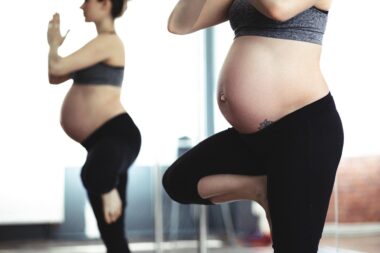
Integrating mindfulness into postpartum fitness practices enhances the emotional benefits reaped from exercise. Activities that promote mindfulness, such as yoga or tai chi, invite tranquility and healing. These present new mothers with valuable tools for recognizing and regulating their emotions. Mindfulness enhances self-awareness, encouraging individuals to connect with their thoughts and feelings better. Practicing breathing techniques during workouts can help new mothers ground their emotions in overwhelming situations. The meditative aspect of mindfulness also fosters relaxation and clarity. Programs emphasizing breathwork, meditation, and fitness combine physical and emotional benefits to enrich postpartum experiences. Calmness gained from mindfulness enables mothers to handle daily stressors with more grace and resilience. Participating in mindful workouts teaches adaptability, reinforcing the understanding that each day presents varying challenges that require flexibility. Committing to mindfulness empowers mothers to create a supportive and nurturing environment for themselves. As individuals progress in their fitness journey, integrating mindfulness promotes a holistic approach to well-being. Finding balance through intuitive eating and mindful workouts ultimately leads to sustainable lifestyle changes while enhancing overall emotional health.
As postpartum fitness routines develop, celebrating individual progress is essential in nurturing mental resilience. Tracking progress can be a motivating factor, reinforcing the notion that small achievements accumulate over time. Visualizing fitness goals and rewards can generate excitement, allowing new mothers to remain engaged in their journeys. Rather than focusing solely on weight loss, recognizing strength gained, endurance built, or emotional milestones achieved fosters a sense of accomplishment. Social media can also serve as a platform for sharing achievements, connecting with others participating in similar journeys. Constructive feedback and encouragement received from online communities bolster confidence during this transitional phase. Joining classes that emphasize collective growth brings an additional layer of motivation and support. It is essential to remember that every individual’s journey is unique and should be embraced without excessive comparisons. Perfection does not exist; focusing on personal growth allows for positive affirmations throughout the journey. Building mental resilience is an ongoing process, requiring self-compassion and patience. Acknowledging and embracing the various facets of the postpartum experience establishes a foundation for future health and wellness. Progression does not have to be swift; celebrating the overall journey is what matters most.
Maintaining Long-Term Mental Wellness
To sustain mental resilience beyond the early postpartum months, it is essential to cultivate ongoing habits. Incorporating physical activity into daily life encourages healthy routines while fostering emotional balance. Discovering enjoyable workout styles and varying exercise regimes can enhance overall adherence. Following the principles of balanced nutrition also positively influences emotional health. Consuming nutrient-dense foods fuels the body, promoting energy and mood stability. Engaging with peer support systems continues to strengthen overall growth beyond the immediate postpartum period, maintaining valuable connections. Continual education on postpartum well-being, including mental health workshops, enables mothers to develop a deeper understanding of their emotional journeys. Educating oneself on varying symptoms associated with postpartum mental health helps in seeking timely assistance. Taking time for oneself amid the duties of motherhood is crucial; self-care practices must be proactively enforced. Scheduling regular fitness dates with friends or seeking new group classes cultivates a healthy social environment. Long-term commitment to wellness cultivates resilience not only for mothers but also for children learning from their journeys. Ultimately, prioritizing mental health leads to a healthier, more balanced family dynamic, fostering lasting positive societal impacts.
In conclusion, building mental resilience through postpartum physical activity is a multi-faceted endeavor. Engaging in physical exercise provides numerous emotional benefits, from alleviating stress to cultivating better self-esteem. Support systems play invaluable roles in maintaining motivation and accountability. Mindfulness practices complemented by physical workouts contribute to both emotional and mental well-being. Recognizing individual achievements fosters a sense of accomplishment essential for continuous growth. The journey for new mothers is uniquely personal, but collective support is crucial. As mothers embrace their roles, establishing fitness routines grounded in mindfulness and positivity brings lasting benefits. Each small step taken towards improved mental health is a monumental feat worth celebrating. The empowerment gained through this journey not only transforms individual lives but also impacts generations to come. Cultivating mental resilience through postpartum fitness ultimately leads to a healthier future for both mothers and their children. By nurturing our physical and mental well-being, we contribute to a progressive, holistic approach to maternal health. Fostering communities that support mental wellness creates a ripple effect of positive change across society. Prioritize physical activity as an essential component of the postpartum journey and let it guide you towards resilience.