
Correct Technique Tips for Performing Lunges Safely
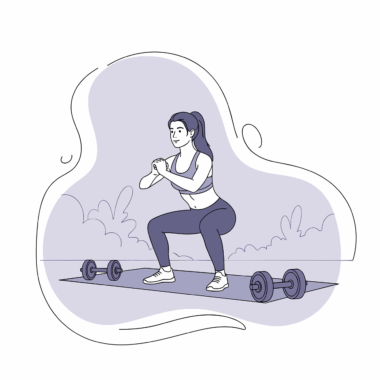
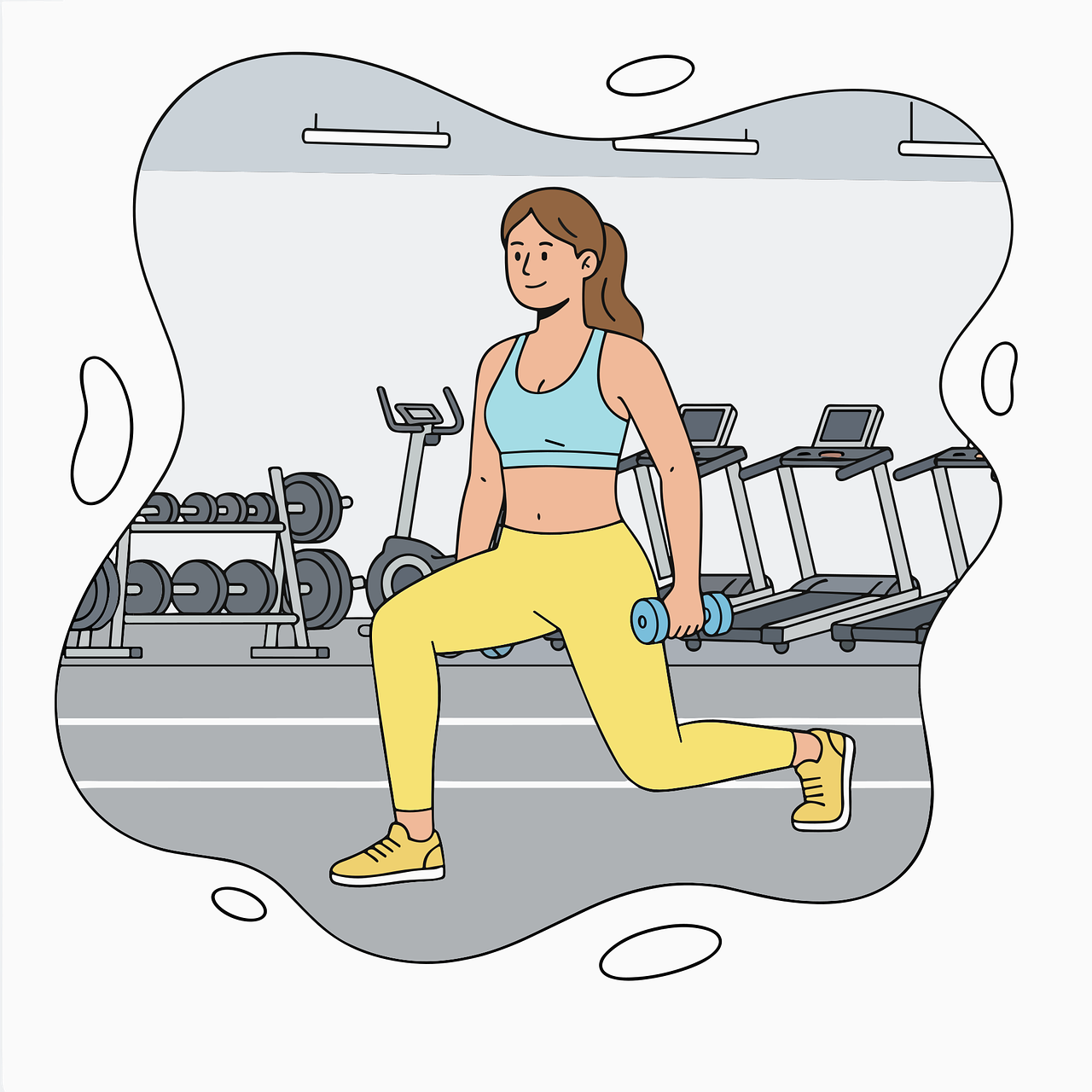
Lunges are a powerful exercise to enhance leg strength and balance. However, performing them with improper form can lead to injuries. To ensure safety, you should start with proper foot placement. Keep your feet hip-width apart and maintain a slight bend in your knees. This helps balance your weight evenly. A common mistake is to lean too far forward, which can strain your knees and lower back. Make sure your front knee stays aligned with your ankle as you lower your body. Engage your core throughout the movement to provide stability and support for your spine. This keeps your form intact as you perform the lunges. Additionally, avoid letting your hips drop or rise unexpectedly. Controlling your descent will prevent unnecessary strain on your joints. Practicing in front of a mirror may help you visualize your form. Start with bodyweight lunges before adding weights. This gradual approach allows you to master the technique without risking injury. Always remember to warm up before your workouts to prepare your muscles. Focus on your breath as well; inhale during the descent and exhale on the way up.
When starting with lunges, remember that the type of lunge you perform matters. There are various lunging techniques, such as forward lunges, reverse lunges, and lateral lunges. Each type targets different muscle groups and can be incorporated into your routine for variation. Forward lunges are great for targeting the quadriceps and glutes, but they can be challenging for some beginners. Reverse lunges, on the other hand, provide better stability as you step back instead of forward. This can alleviate some pressure on your knees. Lateral lunges help engage your inner and outer thigh muscles, providing a well-rounded workout. Whichever variation you choose, focus on maintaining a straight posture. Keep your back straight and shoulders back to avoid hunching over. As you increase your lunges’ intensity, consider using weights. Holding dumbbells while lunging can enhance the effectiveness of the exercise. However, ensure you don’t compromise your form while lifting weights, as this can lead to improper technique and potential injuries. Stretching after your lunging routine is essential to alleviate any tension accumulated during your workout. Rest days are equally important to allow your muscles to recover.
Strengthening Your Core for Better Stability
Cultivating strong core muscles can significantly improve your lunge technique. Core stability plays a critical role in managing your balance, which is vital during lunging. A strong core helps maintain proper posture, prevents injuries, and ensures smooth movement throughout the exercise. To develop your core, engage in exercises like planks, Russian twists, or bird-dogs. These movements activate your abdominal muscles and create a solid foundation for lunges. Focus on incorporating core-strengthening exercises into your routine at least two to three times a week. Additionally, consider focusing on your breathing techniques while lunging. Inhale deeply as you prepare to lower and exhale as you rise back up. Proper breathing not only aids in stability but also enhances your performance by powering your movements. Consider adding single-leg lunges or balance exercises into your workout as more advanced options. These variations challenge your stability and further engage your core. Listen to your body and progress at a comfortable pace to avoid any strain. Consistency is key, so maintain a well-rounded exercise regimen, including core work, for optimal results.
While lunges are effective, it’s crucial to recognize their limitations. Many people may struggle with joint pain when performing lunges, especially those with knee or hip issues. To accommodate these individuals, it may be beneficial to modify the lunge technique. Try shortening the range of motion; instead of a deep lunge, perform a shallow version using less extreme angles. Another alternative could be step-ups on a bench or sturdy platform, as this can mimic the strength aspects of lunges while reducing the impact on knee joints. For individuals with significant mobility issues, wall-assisted lunges might be effective. Placing a hand on the wall can offer extra support and improve balance. Ensure that you also incorporate low-impact exercises into your routine, such as squats or cycling, to help build strength without stressing the joints excessively. Recovery practices including foam rolling or massage can further alleviate pain associated with lunging. Furthermore, investing time in flexibility work can enhance muscle conditioning and support overall joint health. Make adjustments as necessary and always consult with a fitness professional for personalized recommendations.
Incorporating Lunges into Your Routine
To really benefit from lunges, you should include them strategically in your workout routine. Positioning them effectively can lead to better results. A common approach is to place lunges toward the end of your leg workouts, as they require significant energy and focus. By that stage, your muscles are warmed up, making it less likely for you to incur injury. Alternatively, you might space them out throughout the week, integrating them into various workouts targeting different muscle groups. For example, pair lunges with lower-body or even upper-body exercises. Utilize circuit training methods by including lunges with squats and deadlifts. This will elevate your heart rate and promote overall fitness. For cardio enthusiasts, consider adding lunges as a part of a high-intensity interval training session. Always remember to listen to your body during workouts. Monitor how your muscles feel throughout your routine; if you notice discomfort beyond normal fatigue, consider resting or adjusting your form. Actual results materialize over time through consistent effort and observation. Track your progression by noting reps and sets to stay motivated and challenge yourself.
Staying motivated and accountable is crucial when incorporating lunges into your fitness regimen. It can be beneficial to join a class or have a workout buddy to keep you accountable. Often, friends can push you to maintain consistency and proper techniques. If you prefer exercising alone, setting specific goals caters to motivation. Goals may include increasing the number of lunges or enhancing your overall strength. Documenting even the small victories builds momentum and encourages you to keep progressing. Additionally, remember the importance of nutrition in conjunction with your workouts. A balanced diet rich in proteins, healthy fats, and carbohydrates fuels your performance. Stay well-hydrated to prevent fatigue and dizziness during exercises. Also, post-workout nutrition can optimize recovery, allowing your muscles to heal and grow. Consider incorporating lean meats, legumes, or plant-based proteins to your meals. Supplements might also be an option but should supplement a healthy diet rather than replace it. Maintaining your posture and confidence during lunges reflects not only physical strength but mental resilience. Believe in your ability to improve and surpass your limits in fitness for lasting change. Be patient, and you will see results.
Final Thoughts on Lunges
Finally, lunges can be a fantastic addition to your fitness routine when performed correctly. Emphasis on form protects your body and ensures the exercise is effective. Prioritize achieving an aligned posture and engage your core to maintain balance throughout the movement. Incorporate variations that challenge your stability, while ensuring you are comfortable with the motions. If you experience any pain, especially associated with your knees or hips, consider adjusting your technique or substituting with a safer option. Consult with a trainer if you need additional guidance or modifications. Consistency in executing lunges is key, along with adopting supportive exercises for overall strength. Aim to practice regularly while monitoring progression to increase performance. Additionally, maintain a balanced diet and proper hydration prior to and following workouts for recovery purposes. Utilize motivational strategies, whether abetted by workout partners or goals, that will help keep your spirits high. Remember to celebrate all victories as they contribute to personal gains. Ultimately, engaging with lunges can lead to increased muscle strength, better mobility, and improved physical fitness overall. Stay focused, practice diligently, and you will unlock your potential.
Ensuring proper form is crucial whenever you undertake lunges, as even a single misstep can lead to injuries. At the beginning of each session, spend a few moments warming up to loosen your muscles and increase circulation. This may include light cardiovascular activities such as jogging or jumping jacks, followed by dynamic stretches targeting your legs and hips. Always pay attention to your movements during the lunge itself. Starting in a standing position, take a step forward with one leg, keeping your knee directly above your ankle to prevent stressing the joint. Lower your body with control until the back knee almost touches the ground, and then firmly push through your front heel to return to standing. Consistency and attention to detail are fundamental in achieving good technique over time. If performance wavers due to fatigue, reduce your range of motion or rest adequately before continuing. Consider alternating your lunges with other leg exercises, like leg presses or calf raises, for comprehensive strength training. Don’t forget to end your workout with static stretches to enhance flexibility and recovery after engaging multiple muscle groups.