
Quick and Easy Bodyweight Workouts for Busy Travelers
Traveling can be a hectic experience, often leading to a disruption in your exercise routine. However, incorporating bodyweight exercises into your travel plans offers incredible benefits. You can easily engage in effective workouts without the need for any gym equipment or heavy weights. Bodyweight training relies on your own weight to enhance strength, flexibility, and endurance. This can be done virtually anywhere, whether you’re in a hotel room, at the park, or even in your office. With a little creativity, you can transform any space into an effective workout environment. Moreover, bodyweight routines require minimal time, making them perfect for busy travelers. A quick session can be fit in early mornings or during short breaks throughout the day. Explore how these exercises can enhance your routine, fit seamlessly into your hectic schedule, and provide a sense of normalcy while on the move. In this article, we will highlight some effective bodyweight workouts that can be performed in just a few minutes. These workouts combine strength and cardiovascular routines to ensure you maintain your fitness levels while enjoying the journey.
Essential Bodyweight Exercises to Perform
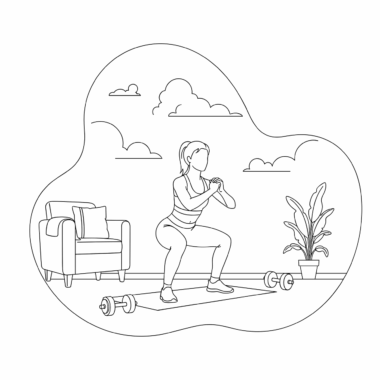
When it comes to bodyweight exercises, there are several essential moves that can be incorporated into your travel workout routine. These exercises will engage multiple muscle groups, ensuring an effective training session. Some foundational bodyweight movements include push-ups, squats, lunges, planks, and burpees. Push-ups target your chest, shoulders, and triceps, while squats focus on the lower body, helping to strengthen glutes and thighs. Lunges also work the lower body, combining balance and strength. Planks engage your core, providing stability and strength, and burpees are an excellent full-body workout that raises your heart rate. Consider creating a circuit that consists of three to five rounds of these exercises. Aim for 30 seconds for each move, followed by a 15-second rest in between. This quick routine efficiently utilizes your time, ensuring your muscles get the necessary workout without needing sophisticated equipment. Additionally, these exercises can be tailored to your fitness level, making them accessible and effective for everyone. Adjust repetitions or circuits as necessary depending on energy levels and time constraints.
Before diving into a travel workout, it’s important to warm up properly to avoid injuries and prepare your body for the challenges ahead. A simple warm-up can include dynamic stretches and movements that increase your heart rate. Start with jumping jacks or high knees for about two minutes to get the blood flowing. Follow this with dynamic stretches, like arm circles, leg swings, and torso twists. These will ensure your muscles are adequately warmed up and ready for more intense activity. After the warm-up, you can move into your main workout routine. Likewise, don’t forget to cool down afterward. Cooling down involves stretching your major muscle groups and taking deep breaths to help your heart rate return to normal. Stretching will also enhance flexibility and reduce post-workout soreness. Aim for 5-10 minutes of cooldown after your circuit. Hydration is crucial, so ensure you drink enough water before, during, and after exercising. Incorporating this warm-up and cool-down process is vital to gaining the full benefits of your bodyweight exercises while maintaining safety during your travels.
Utilizing Your Environment for Workouts
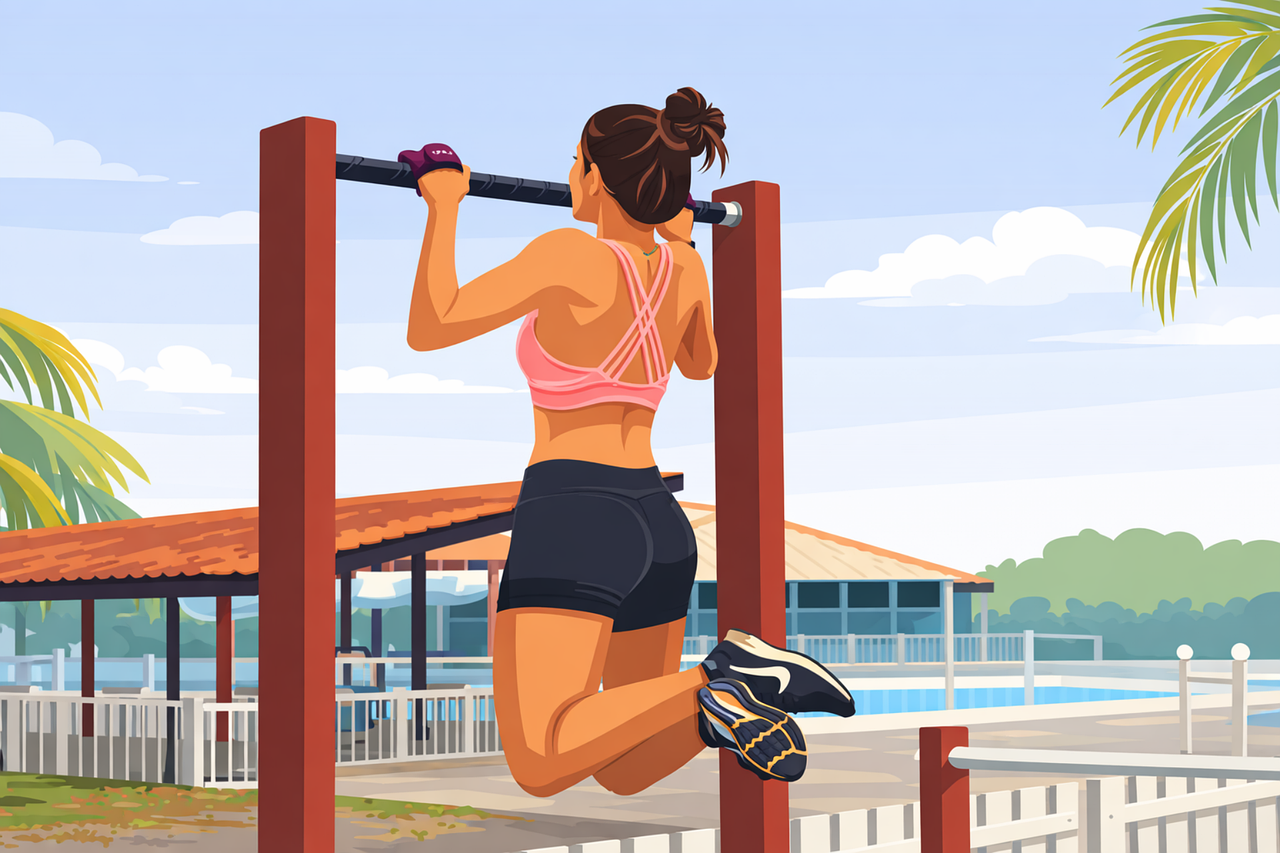
One of the great advantages of bodyweight training while traveling is your ability to utilize your environment. You don’t need fancy gym equipment; often, everyday objects can serve as effective tools for your workout routine. For example, your hotel bed can be used for elevated push-ups, tablets can act as a balance platform, and a sturdy chair can be utilized for tricep dips. Parks offer benches for seated exercises and wide-open spaces to perform various moves freely. Stairs are fantastic for high-intensity intervals, such as stair climbing, which can significantly elevate your heart rate and build leg strength. Look for outdoor exercise stations that may offer bars or simple equipment for additional strength workouts. The key is to remain adaptable and creative with your surroundings. Make your workout enjoyable by exploring new environments and not restricting yourself to traditional options. This will keep motivation high and workouts fresh. Always remember that the best tool you have during travels is your own body. Move with intention and engage your muscles, soaking in the travel experience while maintaining your fitness.
Time management is essential when traveling, especially for busy professionals. Since much of your time gets occupied by meetings, sightseeing, or travel logistics, planning your workouts in advance is crucial. Set aside specific times during the day dedicated to exercise, just as you would for appointments or meetings. Early morning workouts are often less disruptive and can set a positive tone for the day. Alternatively, you can choose to work out at night, particularly after a long day, as a way to wind down. Short burst workouts are effective, including high-intensity interval training exercises that maximize your time. Aim for sessions of 20-30 minutes, rotating through a series of fundamental moves to ensure a good mix of cardio and strength training. It’s better to have shorter, more intense workouts than to skip exercising altogether. Further, utilize workout apps or video guides to follow while traveling. These can provide you with structured sessions to follow, minimizing the need for extensive planning or preparation while still keeping you on track with your fitness goals.
Incorporating Flexibility and Mobility
In any travel workout routine, it’s essential to incorporate flexibility and mobility exercises. This component not only complements strength training but also enhances recovery and reduces the risk of injuries. Daily travel can leave your body tight and fatigued due to hours of sitting or navigating through busy environments. Incorporate movement patterns such as leg swings, hip openers, and shoulder stretches into your routine. Yoga is an excellent way to improve both flexibility and mobility without any equipment. Basic poses such as Downward Dog or Child’s Pose can stretch muscles and improve blood circulation. Consider enrolling in a local yoga class at your destination or following online videos. Additionally, simple breathing exercises can enhance relaxation and mindfulness. Engage in deep diaphragmatic breathing while stretching to amplify the benefits. Not only will this help maintain your physical health, but it will also ease mental stress associated with traveling. While it’s important to push your body, listen to what it needs; flexibility and mobility workouts help you recover efficiently, keeping you refreshed and ready for your next adventure on the road.
As you incorporate bodyweight workouts into your travel agenda, tracking progress can provide motivation and insight into your personal fitness journey. Document your workouts by maintaining a journal or using a fitness app to record exercises, circuits, and durations. Monitoring progress can help recognize what works best for you and where you can improve. Setting small, achievable goals is key; progress may include completing a certain number of reps or increasing circuit rounds. This sense of accomplishment boosts confidence and encourages long-term commitment to being active while traveling. Additionally, share your workouts and experiences on social media platforms. Engaging with like-minded travelers and fitness enthusiasts online can offer both inspiration and accountability. Utilize travel hashtags and join fitness communities to connect and exchange routines and tips. Remember, it’s not about perfection; consistency is what ultimately matters in maintaining your fitness journey. Embrace opportunities to stay active no matter where your travels take you. Celebrating small wins during your fitness journey can motivate you to continue pushing yourself toward a healthier lifestyle, wherever you might be.
Conclusion: Staying Fit While Traveling
Commitment to maintaining your fitness doesn’t have to end when you travel; it only requires creativity, time management, and willingness to adapt your approach. Bodyweight workouts serve as an efficient method to engage your muscles and enhance overall fitness. The exercises presented offer flexibility and can fit seamlessly into any travel schedule. Remember to warm up and cool down appropriately to support your body’s needs. You can utilize your surroundings creatively, turning any space into a personal gym. Balancing workout time around your schedule maximizes the efficiency of your workouts. Incorporate flexibility and mobility to improve recovery and overall wellness. Finally, by tracking progress and celebrating achievements, you’ll sustain motivation throughout the journey. Embrace bodyweight training as a dynamic part of your travels, enabling you to enjoy your destinations while prioritizing your health. Each small effort contributes to long-term health benefits, keeping your fitness consistent and enriching your travel experience. Keep exploring new horizons and developing your fitness alongside new adventures. With these techniques and approaches, maintaining a balance between travel and workouts can be productive and enjoyable.