
Adaptive Swimming Techniques for People with Disabilities
Adaptive swimming provides essential opportunities for individuals with disabilities to engage in physical activity and enjoy the water. It helps build strength, stamina, and confidence. Adaptive swimming techniques are designed to accommodate various needs, ensuring everyone can participate safely. One important aspect includes using flotation devices, such as pool noodles or life vests, which can enhance buoyancy and support. Swimmers with mobility issues may use specialized equipment, like adaptive swim chairs, to enter and exit the pool with ease. In addition, instructors should be trained to provide individualized support, adapting swimming strokes as necessary to simplify or modify techniques. Moreover, the environment, including the pool temperature and accessibility, should be considered to cater to diverse sensitivity levels. The integration of adaptive swimming in rehabilitation programs can promote improved mental and emotional wellbeing as well. Social interactions during swimming sessions can foster friendships, promoting an inclusive community atmosphere. Furthermore, participating in swimming can serve as a pathway to greater independence, both in and out of the water. Each individual should be encouraged to set their personal goals, focusing on their unique abilities rather than limitations.
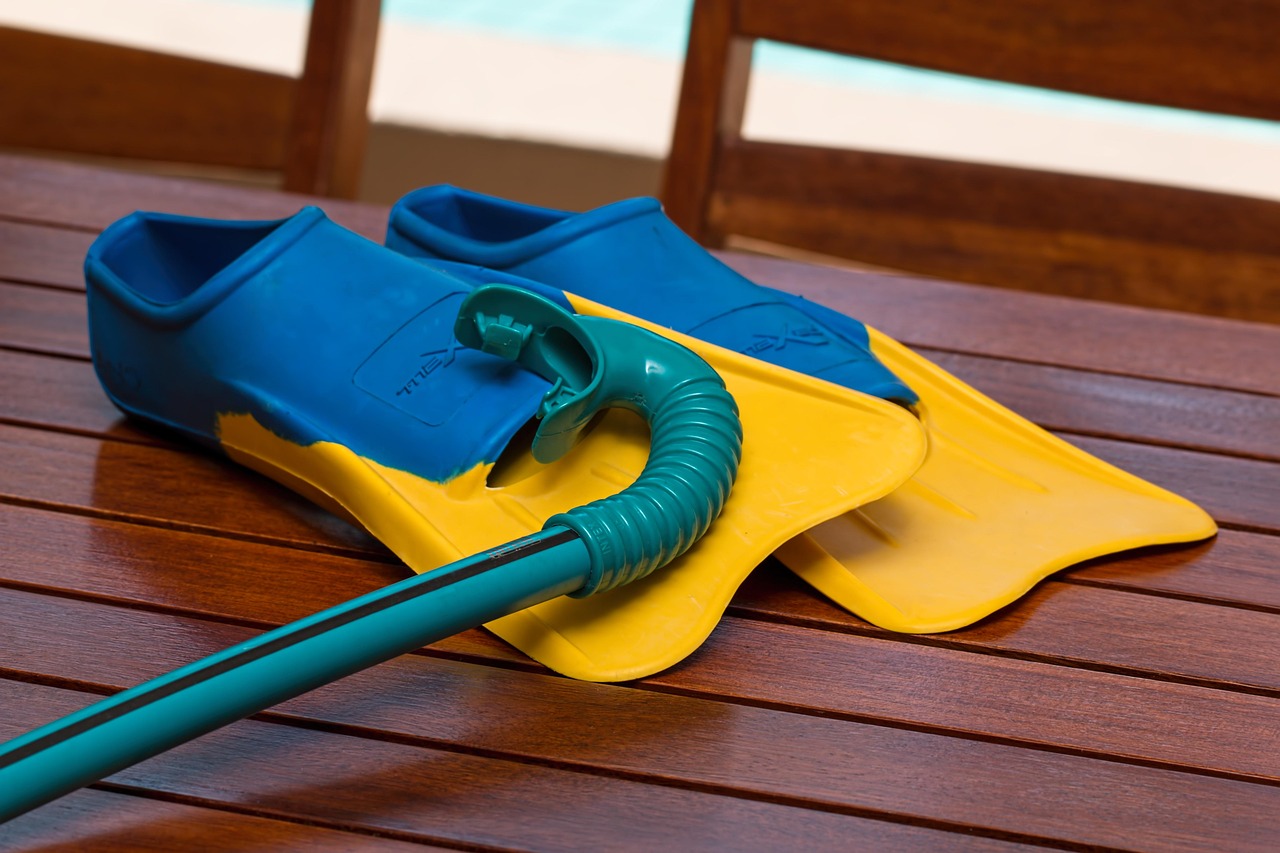
Incorporating assistive devices into swimming lessons can significantly impact participants’ experience. Devices such as snorkels or modified swimming goggles play a vital role in providing comfort and enhancing visibility underwater. Utilizing adaptive kickboards allows swimmers to practice their kicking techniques effectively, improving their overall skill level. To enhance learning, instructors can implement gradual adjustments that cater to each swimmer’s capability. There are numerous stroke adaptations to explore, including modified breaststroke, freestyle, and backstroke techniques, allowing everyone to find suitable methods. For instance, swimmers with limited upper body strength can focus on leg kicks with supportive flotation devices, gradually integrating arm movements as they gain strength. The importance of breath control should not be underestimated, as it is a critical component of swimming; instructors can focus on teaching controlled breathing techniques side-by-side with swimming strokes. Additionally, providing clear verbal instructions and visual cues can aid comprehension and facilitate learning. Structured lessons should also include time for practice and feedback, allowing swimmers to grasp techniques effectively, leading to significant progress over time. The collaborative environment during lessons creates camaraderie, inspiring swimmers to share their experiences and support each other.
Regular practice fosters improvement in swimming techniques and enhances fitness levels among swimmers with disabilities. Individuals of all skill levels can benefit from participating in structured lessons that encourage safe exploration of the water. Through consistent practice, participants will experience personal growth in both their swimming abilities and overall confidence. Introducing fun-based activities, such as games or relays, can make lessons enjoyable and engaging while promoting fitness. These activities not only assist in practicing strokes but also foster teamwork among the participants. For individuals with visual impairments, verbal guidance and physical markers within the pool area can improve spatial awareness. Moreover, employing tactile explanations of strokes can enhance understanding for those who are blind or have limited vision. To cater to different abilities, instructors must be observant, adapting their strategies based on each learner’s unique strengths and weaknesses. Feedback is central to improvement; celebrating small milestones can encourage positive reinforcement while emboldening participants to push their limits. Forming support groups leads to a more fulfilling experience in adaptive swimming, providing individuals a platform for sharing challenges, achievements, and motivation. Each swimmer’s progress should be highlighted, reinforcing their accomplishments.
Adaptive Swimming Events and Competitions
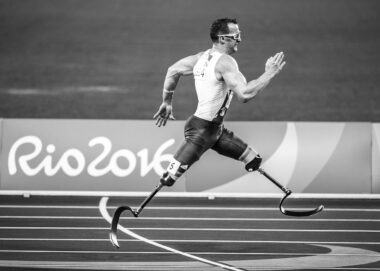
Adaptive swimming competitions offer individuals with disabilities the chance to showcase their skills and promote awareness in their communities. These events can serve as motivation for swimmers and provide an opportunity to connect with others who share similar experiences. Participation in competitions can build a sense of accomplishment, encouraging swimmers to set and achieve personal goals. Many organizations offer adaptive swimming competitions at various levels, from local meets to national championships, thereby catering to different skill levels. Competitions are structured to be inclusive, emphasizing personal bests and encouraging everyone to participate. Proper classifications are established to ensure fair competition for individuals with differing disabilities, making the events accessible and equitable. Training for these competitions typically includes both endurance and technique, allowing swimmers to prepare adequately. Support from coaches, peers, and family members plays a critical role in swimmers’ confidence leading up to events. Additionally, competitions foster community awareness, providing insights into the capabilities of individuals with disabilities. The inclusion of adaptive swimming events in local sports agendas can promote broader acceptance and inclusion. Thus, participation can inspire others to pursue their athletic goals, regardless of any challenges they face.
Preparing for adaptive swimming competitions involves enhancing the athlete’s skills and instilling a winning mindset. Swimmers must develop techniques tailored to their individual capabilities while emphasizing consistency and commitment. As the event approaches, a clear training regime is essential, focusing on both physical conditioning and mental preparation. Instructors can design specific goals that participants should aim to achieve during practices, helping them sharpen their focus and hone their techniques. Visualization techniques can assist swimmers in mentally preparing for their events, allowing them to envision success. Setting realistic and attainable benchmarks ensures that participants remain motivated and confident in their journey. Moreover, fostering a supportive atmosphere among teammates encourages communication and camaraderie, helping swimmers build their confidence. Participants should also become familiar with the competition environment, practicing in similar conditions to confidently enhance readiness. Additionally, discussing pre-competition routines, such as warm-up exercises and nutrition, plays an essential role in overall performance. Competitions can be both thrilling and nerve-wracking; by focusing on individual accomplishments, athletes can navigate their nerves effectively. Celebrating personal bests, regardless of outcomes, cultivates a growth mindset, emphasizing that every step taken is an achievement.
Opportunities for Growth Through Adaptive Swimming
Adaptive swimming goes beyond fitness and skill development, providing numerous opportunities for overall growth among participants. Through the sport, individuals learn valuable life skills, including teamwork, communication, and resilience. Engaging in adaptive swimming encourages the development of friendships, as participants often share stories and support during their journey. The ability to set personal goals around swimming allows each participant to discover their unique potential and embrace their own self-worth. Overcoming challenges and fears in the water fosters a sense of independence, allowing adolescents to gain more confidence. In addition to personal growth, adaptive swimming can create a sense of community, uniting diverse individuals with shared experiences. Regular participation in classes helps develop social connections, reinforcing that they are not alone in their challenges. Furthermore, adaptive swimming can influence life outside of the pool, teaching valuable lessons about perseverance and determination. The skills acquired will also translate into other aspects of life, equipping individuals to face challenges head-on. Swimming serves as a means of escape, an enjoyable escape, where participants feel empowered to explore their surroundings and develop personal skills while connecting with others.
Water activities such as adaptive swimming can positively impact both physical and mental health for individuals with disabilities. The buoyancy of water alleviates stress on joints, allowing participants to engage in exercises that may be difficult on land. Swimming is a comprehensive workout that strengthens muscles, enhances cardiovascular fitness, and boosts overall endurance. Moreover, aquatic therapy can significantly improve flexibility and balance, aiding in daily activities. The mental health benefits of swimming are equally substantial; the relaxation aspects of warm water can alleviate anxiety and depression. Participants often report enhanced mood and well-being after swimming sessions, which promotes an overall sense of accomplishment and relaxation. Engaging in structured swimming programs reduces social isolation, fostering connections with instructors and fellow swimmers. These connections can serve as crucial support systems that uplift participants beyond their swimming experience. Additionally, swimming can nurture self-esteem, as individuals see their improvements over time, leading to a more positive body image. With positive reinforcement from peers and instructors, adaptive swimming can transform lives, creating meaningful changes and enhancing the quality of life for individuals with disabilities. Enjoying the freedom and joy of movement in water contributes to holistic wellness.
In conclusion, adaptive swimming techniques provide a gateway to numerous opportunities for individuals with disabilities. Through structured lessons, competitions, and a supportive community, participants gain valuable skills and enhance their physical and mental health. The ability to engage in adaptive swimming fosters independence and social connections, allowing individuals to thrive despite challenges. Emphasizing personal achievements nurtures a positive mindset while overcoming obstacles fosters resilience. Furthermore, adaptive swimming showcases the strengths and capabilities of individuals, promoting awareness and understanding within society. Seeking guidance from certified instructors ensures that swimmers develop skills safely and effectively, enhancing their overall experience. The journey of adaptive swimming influences various aspects of life, empowering participants to embrace their uniqueness and overcome barriers. By championing inclusivity in aquatic sports, a collective effort can reshape perceptions around disabilities, bringing forth acceptance and understanding. Ultimately, adaptive swimming is more than a physical activity; it is an essential element in fostering a sense of belonging for all involved. Each participant’s journey is unique, reflecting personal victories achieved in and out of the water. The community built around adaptive swimming will continue to inspire others, guiding future generations to pursue their dreams with confidence.