
Tips for Designing Home Workout Routines with Community Support
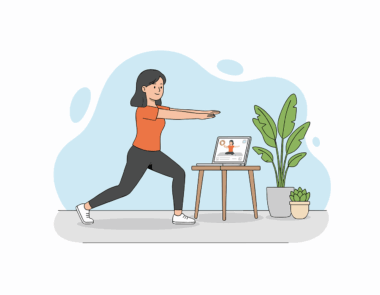
Creating effective home workout routines can be challenging, but community support significantly enhances motivation. First, establish clear goals that resonate with your fitness aspirations. These goals guide your routine design, so ensure they are specific and measurable. Consider the availability of community resources such as digital platforms for group workouts. Engage with local fitness groups or online communities where you can share experiences and gain insights into effective routines. Utilizing social media platforms can help you find accountability partners, encouraging constant interaction and motivation to stay on track. Allocate specific times for your workout sessions and align them with your community’s schedule, fostering consistency. Many find enjoyment in attending live-stream workout sessions, which can create a sense of camaraderie. Encourage community participation with friendly competitions or challenges, adding an exciting element to your routine. Organizing fun events such as virtual yoga sessions strengthens bonds among participants. Finally, be open to adjusting your routine based on feedback from your community, as this collaborative approach enhances effectiveness while catering to collective interests and preferences.
Incorporating variety into your workout routine is essential to prevent boredom and promote longevity. A well-balanced routine might include strength training, cardio, flexibility exercises, and recreational activities. Use fitness apps to enrich your workout experience, enabling users to track their progress and share achievements. Communities thrive on success stories; encourage members to celebrate personal milestones publicly, fostering an environment of mutual support. One practical approach is to schedule themed workout days, such as core days or HIIT challenges, helping participants develop specific skills and encouraging friendly competition. Incorporating rest days into your routine is also vital for optimal recovery, emphasizing overall health. Leverage community feedback to experiment with new workout types, which could reinvigorate members’ interest. Consider hosting virtual workshops led by experienced fitness coaches who can provide personalized tips. Supplement workouts with nutrition discussions to create holistic health awareness within your community. User-generated content, like videos or testimonials, can attract new members and enhance community engagement. Establish a forum or social media group where participants can share experiences and tips to foster a sense of belonging.
Accountability and Motivation
Creating an accountability system enhances commitment to your home workouts. Leverage social platforms to track progress and challenge one another, forming motivational bonds. A dedicated calendar shared among community members can highlight workout schedules, reminding everyone of their commitments. Weekly check-ins foster a sense of belonging and responsibility, enabling participants to celebrate achievements together. A buddy system pairs individuals to not only share their goals but also encourage each other during challenging days. If one feels unmotivated, the buddy can provide the necessary push to stay on track. Encourage the sharing of short workout clips to inspire creativity and showcase individual routines. Such content can mentor others in the community. Gamifying the workout experience by offering virtual rewards for completing goals fosters competitive spirit and excitement. Incorporating themes into workouts, like dance party Thursdays or meditation Sundays, adds uniqueness to your routine. Encouraging wellness challenges, like “30 days of yoga”, can motivate participants to explore new fitness facets and engage the community in a supportive environment.
Feedback is instrumental in refining workout routines. Create channels through which community members can express their thoughts, suggestions, or struggles. Surveys can capture general sentiments about different exercises and motivation levels. Honest sharing fosters deeper connections, allowing others to empathize and offer support. Offering a platform for community members to share their victories, no matter how small, promotes a positive environment. This sharing reinforces everyone’s efforts and encourages more profound engagement. Establishing a feedback loop enhances the customization of workout plans tailored to community preferences and needs. Provide options for members to request new classes or types of workouts they want to experience. Create an archive of past workshops, providing access to those who missed sessions; this showcases the diversity of routines available. Developing a library of resources cultivates ongoing knowledge sharing and support. Validating individuals’ experiences with consistent feedback can immensely boost morale within the community. It’s crucial to acknowledge every step taken towards fitness collectively, uplifting each member and honoring progress, creating a resilient, self-supporting fitness community motivated by shared growth.
Utilizing Technology
Technology plays a vital role in enhancing home workouts through effective communication and access to resources. Implementing dedicated fitness apps can centralize important information and allow members to track their progress. Video conferencing platforms can transform isolated routines into interactive group sessions, encouraging connection and engagement. Regular virtual meetings can be organized to discuss challenges, enabling brainstorming around solutions collectively. Sharing workout playlists can further elevate members’ experiences, making fitness fun with the right music. Collaborate on creating a community YouTube channel, where members can upload and share their workout routines and strategies. Recording and sharing helps reinforce personal commitment while inspiring others on their fitness journeys. Invite guest trainers to conduct online workshops or classes, allowing valuable learning experiences for everyone. Utilize social media challenges, like “30-day fitness photo challenges,” to create engagement through friendly competition. Encourage regular sharing on various platforms, which helps in establishing a recognizable community brand. Lastly, keep communication active via newsletters or group chats, accessing everyone and ensuring motivation and accountability persist among members.
Nutrition plays an essential role in complementing any workout routine effectively. Discuss meal planning, healthy recipes, and nutrition tips with community members regularly to facilitate better health understanding. Sharing experiences related to meal prepping can save time and encourage consistent healthy eating. Create group challenges focusing on healthy recipes or meal exchanges, increasing engagement within the community. Incorporate weekly discussions about dietary needs, which enables sharing of knowledge about supplements, hydration, and balanced diets. Offering workshops on specific diets or nutrition science can provide valuable insights to participants. Community cook-offs can add a delightful, interactive aspect to overall fitness efforts, bringing members together in a fun and educational setting. Creating a shared resource library with meal plans and easy-to-follow recipes ensures accessible learning, appealing to members across all fitness backgrounds. Establishing accountability around nutrition shall support workout commitments, where buddies can check in on each other’s meal successes. Finally, inviting local experts for talks about nutrition benefits helps solidify community health education.
Building a Community Culture
Developing a positive community culture requires intentional efforts that celebrate diversity and inclusiveness. Encourage members to share their fitness journeys, promoting empathy and understanding among participants. Organizing monthly recognition events can showcase individual and collective achievements across all levels, creating a sense of pride in shared efforts. Building supportive dynamics reinforces relationships among members, enhancing trust and openness in sharing struggles. Establishing community rules ensures that essential values of respect and kindness thrive, offering a safe space for everyone. Engage in friendly discussions about fitness obstacles where members can brainstorm and support each other, making problem-solving a collaborative effort. Providing platforms to share resources, such as mental health awareness topics, creates a holistic approach to fitness. Incorporate regular community-building activities focusing on team-building exercises, enhancing bonds among participants. Cultivating this kind of environment encourages more individuals to join, fostering a deeper sense of belonging. Help members feel valued and connected, ultimately leading to sustained engagement, enthusiasm, and commitment to each other’s well-being.
Lastly, always prioritize accessibility in your workout designs. Considering the diverse abilities and resources within the community is crucial for inclusivity. Offering modifications for every exercise ensures everyone can participate, promoting an equitable environment. Create a visually appealing guide that demonstrates these variations for quick reference, enabling members to adapt as necessary. Hosting workshops focusing on accessible techniques or movements empowers individuals with differing needs. Facilitating open discussions about personal experiences can help promote understanding and inform future workout selections. Establish a mentorship approach where experienced members guide newcomers; this reinforces community bonds while teaching skills efficiently. Providing feedback mechanisms, such as anonymous suggestion forms, encourages transparent communication for improvement. Highlight success stories related to overcoming barriers; these can inspire others facing similar challenges and ignite determination. Utilize technology to disseminate information about accessibility resources and equipment available to support training. Finally, conducting surveys about community preferences can lead to informed adaptations in future routines. By fostering an environment of respect and openness, your fitness community can thrive while promoting overall well-being and support for every participant involved.