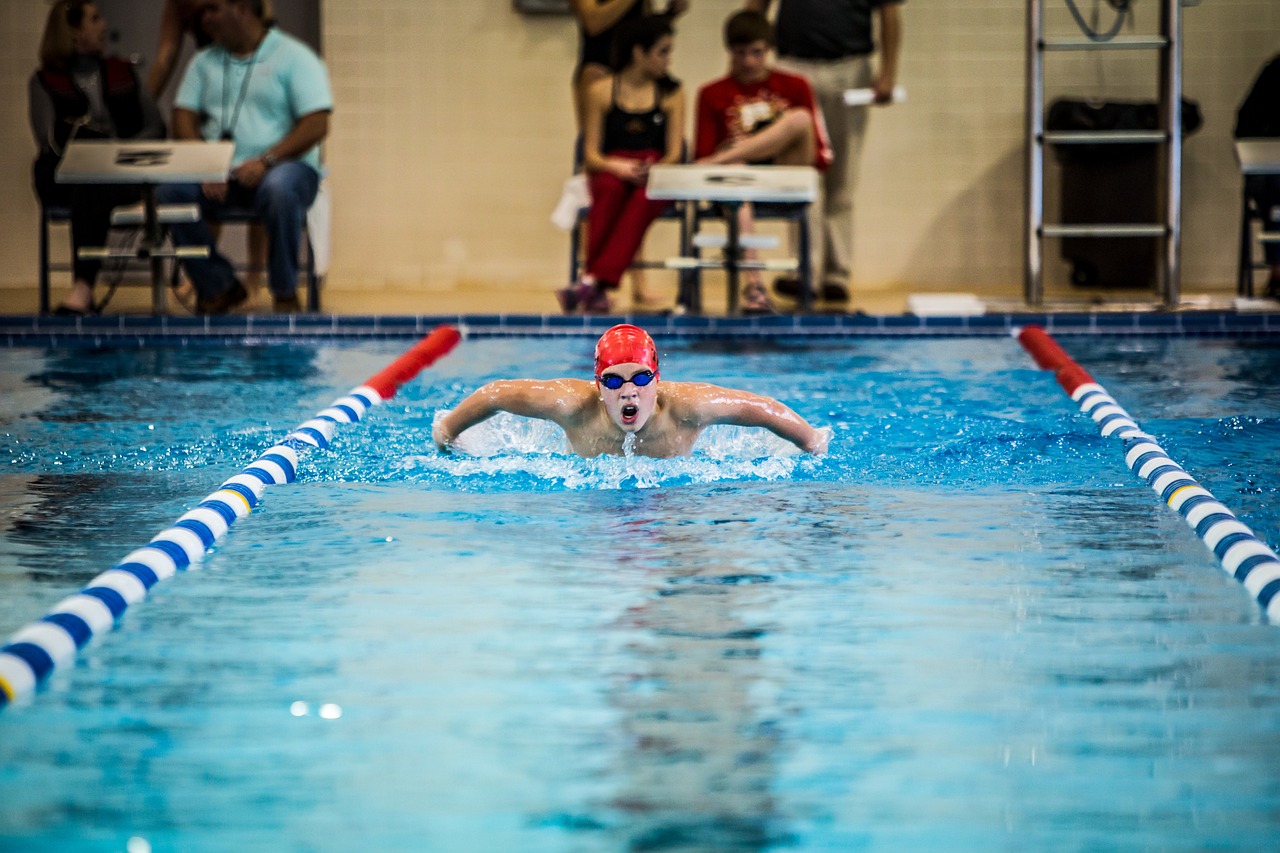

Combining Swim Drills with Dryland Training for Optimal Results
The world of swimming is vast, encompassing various techniques and drills designed to enhance performance in the water. While swim drills focus on improving techniques like stroke efficiency, flip turns, and breathing, integrating dryland training can optimize these results. Dryland training involves exercises performed on land that aim to build strength, flexibility, and conditioning. This holistic approach allows swimmers to develop essential muscle groups necessary for powerful, effective strokes. Moreover, it improves cardiovascular fitness, which is crucial for swimming endurance. Some effective dryland exercises include core workouts, resistance band training, and plyometrics. These exercises can be tailored to specific muscle groups utilized in swimming strokes. Next, swimming drills should target efficiency in the water, and combining them with dryland routines can exponentially enhance gains. For best results, swimmers should prioritize exercises that mimic swimming movements. Rotating between water and land workouts keeps training sessions dynamic and aids in muscle recovery. Certainly, balancing these elements can lead to a more complete training regimen, ensuring swimmers become faster and more efficient in their swimming endeavors. Each session must be carefully planned to maximize training effects across both domains.
Specially designed dryland exercises can substantially boost a swimmer’s overall performance. A swimmer’s ability to maintain strength and flexibility directly influences swimming efficiency. For example, incorporating stability ball workouts helps build core strength crucial for powerful gliding through water. Additionally, exercises such as push-ups and pull-ups engage the upper body, mirroring swimming strokes and ensuring muscles are well-prepared for rigorous swim sessions. Moreover, agility drills improve coordination, essential for quick turns and reactions in competitions. Integrating stretches into a routine enhances flexibility, crucial for minimizing injury risk while maximizing range of motion. Furthermore, swimmers can focus on upper body strength through weight training, involving free weights or resistance bands. Increasing muscular power prepares the swimmer for explosive starts and swift turns. Also, practitioners might utilize yoga, enhancing balance and mental focus during races. A well-structured dryland program forms an integral part of preparing for competitive swimming. Pairing specific swimming drills with these dryland exercises leads to meaningful improvements in speed and strength. Careful monitoring of progress guarantees optimum results during competitions, ensuring each athlete excels in their performance.
Implementing a Balanced Training Routine
To successfully combine swim drills and dryland training, swimmers should establish a balanced schedule addressing both areas effectively. This strategy involves determining the optimal frequency for training sessions. Typically, swimmers should incorporate dryland training three to four times weekly, supporting consistent technique improvement through swimming drills. Sessions could alternate between the water routine and dryland workouts to avoid fatigue while maximizing efficacy. For instance, a swimmer may engage in dryland exercises on Mondays, Wednesdays, and Fridays while reserving time in the pool for Tuesdays, Thursdays, and weekends. Additionally, the duration of each session holds significance; around 30-45 minutes can be effective for dryland training. Conversely, pool sessions may vary between 60-90 minutes, allowing sufficient time to work on stroke refinement. Overall, prioritizing rest and recovery is essential. Adequate recovery periods improve performance and minimize the risk of injuries, which can hinder progress significantly. Incorporating cross-training activities such as cycling or yoga can further diversify the routine. Swimmers who strategically plan their schedule will notice substantial progress over time in both strength and endurance.
In addition to structuring an effective training routine, athletes should focus on setting specific, measurable goals. Establishing clear objectives enhances motivation and provides direction for training efforts. For instance, a swimmer might set a goal to improve their 100-meter freestyle time by a particular margin. Subsequently, swimmers should regularly track their times during practice to measure progress objectively. This practice allows athletes to adjust their routines accordingly and respond to the needs of their training. Setting benchmarks encourages continuous improvement and can provide a great sense of achievement as milestones are reached. On reaching these goals, swimmers can celebrate their progress—either through personal rewards or recognitions within their training groups. Furthermore, athletes benefit from maintaining a log to document workouts, noting dryland training and swimming sessions. Keeping consistent records allows identification of successful strategies and areas needing improvement. As part of celebrating every achievement, staying positive throughout the process significantly contributes to a successful training regimen. Connecting with coaches or training partners can offer valuable feedback and foster a supportive environment, providing accountability and enhancing performance over time.
Nutrition’s Role in Training
Effective training, especially for athletes, relies heavily on proper nutrition to complement both swim drills and dryland training. Swimmers require a balanced diet providing adequate energy for lengthy training sessions while supporting muscle recovery. Sustained energy levels are essential for peak performance. For optimal results, swimmers should consume a variety of whole foods, including lean proteins, whole grains, fruits, and vegetables. These foods provide essential nutrients that support muscle growth and overall health. Carbohydrates specifically fuel intense workouts while enabling efficient recovery. Moreover, hydration plays a vital role in maintaining peak physical performance. Swimmers are often in warm environments, increasing the need to drink enough fluids before and after training. Electrolyte-rich beverages can replenish lost nutrients during long sessions. Timing meals around workout sessions is also crucial; consuming protein-rich snacks post-training can aid in muscle repair and recovery. Furthermore, some athletes visit registered dietitians for personalized advice tailored to specific training regimens. This professional guidance ensures athletes meet their nutritional needs and allow them to achieve maximum performance. Focusing on nutrition empowers swimmers to complement their training efforts, leading to superior results.
It is essential to remember that recovery is just as vital as rigorous training schedules, particularly in the realms of swimming. Proper recovery techniques, such as stretching and rest days, play a crucial role in maintaining overall physical and mental wellness. Athletes should consider incorporating techniques like foam rolling to ease muscle tension or post-training massages to enhance recovery. Additionally, hydration and nutrition help in muscle restoration, ensuring that the body is ready for the next training session. Adequate sleep should not be overlooked; quality rest helps the body to repair itself, leading to improved performance. Strategies such as sleep hygiene, including maintaining a consistent sleep schedule, create an ideal recovery environment. Mindfulness practices can also help in mental relaxation, ensuring swimmers stay focused and goal-oriented. This combination of physical recovery practices, combined with dryland training and swim drills, establishes a comprehensive approach to training that enhances performance. Ultimately, integrating these elements helps swimmers not only achieve better results but also foster a love for the sport. Investing time in proper recovery enhances long-term success, making it integral to any training regimen.
Final Thoughts on Holistic Training Approaches
In conclusion, combining swim drills and dryland training provides a multifaceted approach that yields remarkable results for swimmers. Integrating both training modalities reveals significant performance enhancements, ensuring that swimmers develop strength, flexibility, and endurance crucial for competing. This comprehensive strategy invites swimmers to explore various exercises and techniques, refining their skills within the water and on land. By committing to regular training sessions and maintaining balanced routines, athletes increase their chances of reaching personal goals. Furthermore, a strong emphasis on recovery aids in sustaining motivation, making the training enjoyable rather than merely a chore. Overall, coaches’ support and collaboration foster a dynamic training environment that accommodates individual needs. Emphasizing a commitment to learning and growing ultimately enhances performance. As a result, swimmers who embrace this holistic strategy will find themselves well-prepared for future competitions, contributing positively to their overall athletic journey. The connection between dryland and swim training is undeniable, and it is essential for any serious swimmer aiming for success. Harnessing both approaches will likely yield the maximum potential for athletes passionate about swimming.
To summarize, successful training combines swim drills and dryland exercises for optimal results in swimming. By developing strength, flexibility, and technique collaboratively, swimmers can maximize their abilities both in the water and on land. This comprehensive training and commitment to achieving specified goals provide numerous benefits for athletes of all levels. Furthermore, the integration of proper nutrition, recovery strategies, and an overall supportive environment play significant roles in ensuring swimmers’ ongoing success. Ultimately, those who embrace a well-rounded training approach will benefit from improved performance, personal satisfaction, and an enduring love for the sport. Whether aiming for competition or personal achievement, understanding the connection between swim drills and dryland training is vital for every dedicated swimmer on their journey. The journey toward success is influenced by effective training that focuses on enhancing all aspects of a swimmer’s capabilities and promoting a steady progression. Enthusiasts will find the greatest joy in the combination of a solid training regimen and supportive coaching relationships. Thus, making swimming not just a sport, but a lifelong adventure filled with learning, growth, and achievement.