
Tactile Stimulation and its Importance
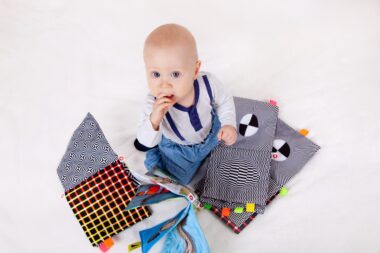
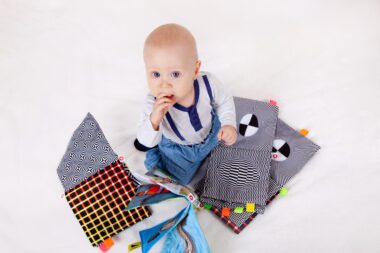
Tactile stimulation exercises play a pivotal role in enhancing coordination by promoting sensory integration. Through these exercises, individuals can develop improved motor skills and better body awareness. Tactile stimulation refers to the process of engaging and activating the touch receptors in our skin, which is crucial for a variety of activities that require fine motor skills. Engaging in these exercises enhances the brain’s ability to process tactile information, leading to better coordination. Both children and adults can benefit from these exercises, especially those needing support with developmental coordination disorders. To get started, it’s essential to have a variety of tactile objects, such as textured fabrics, sensory balls, or even simple household items like sponges and brushes. Incorporating these materials into regular exercise routines can create an engaging environment that encourages participation. Moreover, awareness of the sensory feedback received during these activities is vital for progress. As participants become more attuned to their senses, they will find it easier to execute smooth and coordinated movements, significantly affecting their daily activities. Ultimately, tactile stimulation provides a functional pathway to enhancing overall coordination abilities among participants.
Some effective tactile stimulation exercises include using textured materials, which help individuals to develop their sensory processing abilities. Here are a few ideas for tactile stimulation activities that can enrich coordination practice. First, try having participants explore different textured materials like sandpaper, velvet, or bubble wrap. This exploration can be done by touching, rubbing, or even rolling them with their hands. Secondly, consider creating a sensory bin filled with rice or beans, where individuals can practice scooping or pouring, improving both coordination and fine motor skills. Thirdly, practice kneading dough or playdough, which can enhance hand strength while providing tactile feedback. Additionally, utilizing items like slime or foam can engage the senses while also improving dexterity. An effective exercise involves the use of various sizes of balls; rolling and squeezing can significantly boost coordination skills. As individuals engage with these tactile materials, monitoring their progress is essential for achieving goals. Tracking improvements in coordination skills over time will demonstrate the effectiveness of tactile stimulation practices. Overall, implementing these engaging activities can lead to significant benefits in coordination and sensory integration.
Utilizing Everyday Objects
Incorporating everyday objects into tactile stimulation exercises can make the process both enjoyable and accessible. For instance, using kitchen items can provide multifunctional stimulation. Participants can use kitchen sponges to squeeze and manipulate, as they have unique textures and resistance. Another idea is using soft pom-poms that can be picked up, transferred, and stacked, promoting fine motor coordination. Additionally, crumpling pieces of foil or cellophane can introduce auditory feedback along with tactile sensations, enriching the sensory experience. Further, small balls of different materials—like rubber or fabric—allow participants to practice kicking, throwing, or rolling, refining their gross motor skills. Encourage using tools such as tweezers or tongs when handling smaller objects, which boosts dexterity and hand-eye coordination. Furthermore, incorporating activities that require sorting or categorizing textured items can enhance cognitive processing along with coordination skill building. For example, participants can sort buttons by size or texture, combining tactile exploration with practical organization skills. Lastly, we should remember to celebrate even small successes throughout these exercises. Positive reinforcement can further motivate participants to engage in tactile activities consistently.
Another important aspect of tactile stimulation exercises involves mindfulness and focused awareness during activities. Practicing mindfulness can help individuals tune into their sensory experiences, which enhances the overall effectiveness of the exercises conducted. One method involves instructing participants to close their eyes while they explore different textures; this can sharpen their focus on tactile sensations. As they engage with the various materials, encourage thoughts about their perceptions, such as how rough or smooth a surface feels. Additionally, introducing breathing techniques can promote relaxation and reconnection with the exercise. Implementing a ‘slow down’ approach frequently helps participants to become more aware of their movements and the tactile feedback received. Adding music to the environment can also create a calming atmosphere, further enhancing focus. Ultimately, emphasizing the importance of being present during tactile exercises can maximize their benefits regarding coordination. As awareness heightens, controlled movements become a natural consequence. Consequently, adopting mindfulness strategies leads to significant improvements over time. Increased sensory integration not only enhances coordination skills but also builds self-confidence among participants, encouraging them to engage more fully in tactile exploration.
Benefits and Outcomes of Tactile Stimulation
Developing coordination through tactile stimulation offers numerous benefits for individuals across various age groups. Enhanced coordination allows individuals to perform daily tasks more efficiently, which can lead to improved overall independence. Tactile exercises can reduce frustration during activities requiring dexterity, such as writing or buttoning clothes. As they enhance physical skills, individuals may experience greater confidence in their abilities. For children specifically, improvement in coordination can positively influence academic performance, as many tasks involve fine motor skills. Participating in tactile exercises fosters social skills as well. Group activities during tactile stimulation exercises can encourage cooperation and teamwork. Enhanced sensory integration improves the ability to interact with others during playtime or collaborative tasks. Additionally, consistent practice of tactile stimulation can lead to better self-regulation and modulation of sensory input. As individuals learn to understand their body’s responses to various stimuli, they become more adaptable in social settings. Finally, the outcomes of regular tactile exercises extend beyond physical coordination; they contribute to emotional well-being, creating well-rounded individuals who possess both physical and emotional resilience. Ultimately, tactile stimulation is key for holistic development in every participant.
Incorporating play into tactile stimulation exercises amplifies engagement and enjoyment, making them more attractive to participants. When exercises feel fun and less like chores, individuals are likelier to participate consistently. Creating games around the exercises enhances both individual and group participation. For example, developing a tactile scavenger hunt where participants seek objects with different textures around a designated area can be an engaging exercise. Each texture discovered can enhance their sensory exploration while receiving tactile feedback. Another idea involves setting challenges where participants must identify objects solely through touch, promoting focus on sensory perception. Additionally, introducing a timing aspect to activities, like sorting objects, can add excitement and boost motivation. Friendly competition could lead to improved results and foster encouragement among peers during group sessions. Furthermore, a creative approach could include storytelling where tactile materials are woven into a narrative, encouraging participants to act out scenarios while exploring textures. Such storytelling enhances imagination while focusing on tactile feedback. Engaging in playful activities not only reinforces the learning outcomes but also builds essential social connections, making tactile stimulation exercises a comprehensive approach to developing coordination.
Conclusion: Embracing Tactile Stimulation
To achieve improved coordination through tactile stimulation exercises, embracing creativity, consistency, and mindfulness is essential. Exploring a variety of materials and incorporating daily routines into sensory rich experiences can yield impressive results. Integrating tactile exercises into educational settings provides a healthy context for skill development, ensuring participants receive adequate support. As individuals progress and witness their improvements, reinforcing a growth mindset becomes vital; celebrating milestones strengthens positive associations with tactile exploration. Finally, setting achievable goals tailored to individual capabilities paves the way for long-term success. Evaluating progress regularly helps guide adjustments as necessary while ensuring engagement remains high. By creating a supportive environment that prioritizes tactile stimulation, we contribute to holistic development across coordination, emotional well-being, and social connectedness. It’s crucial for caregivers, educators, and therapists to advocate for the inclusion of tactile stimulation in physical activity routines. Ultimately, fostering a deeper understanding of one’s body and its capabilities leads to a brighter, more confident future for all participants. In conclusion, tactile stimulation not only enriches coordination but also nurtures resilience and adaptability that will benefit individuals throughout their lives.