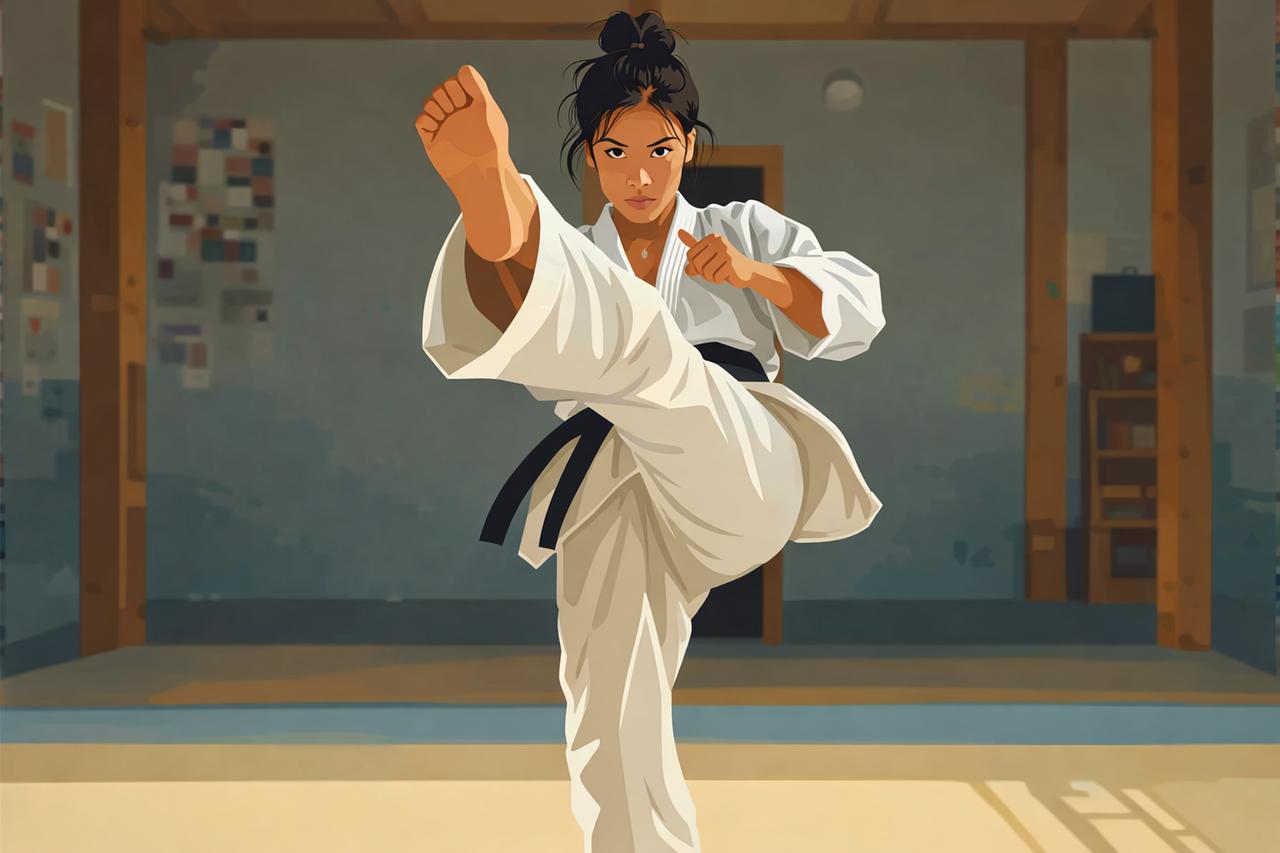

Essential Martial Arts Accessories for Competitive Fighters
When engaging in martial arts, having the right equipment is crucial for performance and safety. Competitive fighters require specific accessories that support their training regime and match readiness. Key items include quality uniforms, protective gear, gloves, mouth guards, and high-grade footwear. These accessories not only enhance performance but also minimize the risk of injury in challenging situations. A well-fitted gi or training uniform improves mobility and comfort, allowing fighter flexibility during practice sessions and tournaments. Protective gear, such as headgear and shin guards, is essential to safeguard sensitive areas from accidental impacts. The right pair of gloves provides the necessary support to execute strikes effectively while reducing the risk of injury to both the fighter and their opponent. Additionally, mouth guards are non-negotiables for safeguarding teeth during sparring. Choosing durable, reliable footwear is another aspect often overlooked that contributes to a fighter’s balance and agility. Investing in quality martial arts accessories pays dividends not only in performance improvements but also in reduced injury rates, ultimately contributing to a fighter’s success and longevity in the sport.
The effectiveness of training in martial arts is significantly influenced by the accessories employed during practice. An essential item in every martial artist’s toolkit is a sturdy training bag, which is crucial for transporting gear. The versatility of a good gym bag can barely be overstated; it needs to accommodate gloves, uniforms, belts, and other essential items like water bottles and towels. A well-organized training bag allows fighters to find their gear quickly, ensuring they are ready to step onto the mat without delay. Moreover, resistance bands and weighted vests offer innovative training solutions for building strength and enhancing agility. Fighters can incorporate these elements into their warm-up routines for increased muscle engagement. Quality mats are also indispensable for effective training, offering the necessary cushioning to minimize injuries during falls and practice exercises. Each accessory contributes not just to a fighter’s physical capability but also to their mental readiness. Having the right martial arts equipment ensures that fighters are confident in their skills and prepared for any challenge. Therefore, investment in quality accessories is not only beneficial; it is critical for those aspiring to reach the top levels in competitive martial arts.
Protective Gear in Martial Arts
Protective gear forms the backbone of safety in martial arts, significantly reducing the chances of injuries during sparring sessions. Key accessories include headgear, mouthguards, and chest protectors, each designed to ensure maximum safety while allowing full movement. For instance, headgear protects against head injuries while still enabling visibility and comfort. Mouthguards are critical as they help prevent dental injuries while allowing fighters to breathe comfortably. A quality cup for groin protection is also essential for male fighters to safeguard this sensitive area from strikes. Chest protectors are vital for full-contact sparring as they absorb impacts and distribute force evenly across the torso. Shin guards should not be overlooked, as they protect the lower legs from devastating injuries during kicks. The right protective gear encourages fighters to practice and spar with confidence, knowing they are safeguarded against potential harm. Investing in high-quality protective gear is wise for serious martial artists; it can be a literal lifesaver during intense matches. Choosing reputable brands and materials often translates to greater safety and durability, proving pivotal in a competitive environment where every advantage counts.
In addition to protective gear, another crucial accessory for martial arts practitioners is a quality training mat. The choice of mat significantly impacts training effectiveness and safety, providing a cushioned surface for grappling and throwing techniques. Investing in foam or high-density mats can protect against falls and unintentional impacts during live sparring sessions. Many fighters utilize roll-out mats, which are convenient for home training and can be stored easily when not in use. Mats should ideally have a non-slip surface that facilitates mobility while providing adequate grip. This is particularly important for techniques that require grappling or high-speed transitions. A clean and designated training area enhances focus and mental clarity, contributing positively to a fighter’s training mentality. Taking care of your mats, cleaning them regularly, and ensuring they are in good condition is essential for hygiene and safety. Poor conditions can lead to accidents, so proper maintenance should be prioritized. Moreover, mats create a professional environment that can inspire discipline and dedication in martial arts practitioners, reaffirming their commitment to the craft. Therefore, choosing the right training mat is vital for achieving personal goals while participating in martial arts.
Training Tools for Skill Development
Beyond the basics, various training tools play an integral role in enhancing a martial artist’s skills and techniques. Items such as target pads, heavy bags, and agility ladders facilitate specific training routines aimed at improving striking precision and footwork. Target pads are particularly beneficial for honing accuracy, as kickers and punchers can practice striking at designated targets within the training zone. Heavy bags provide opportunities for developing power and endurance through simulated real-fight conditions, allowing practitioners to train effectively at their convenience. Utilizing agility ladders enhances footwork, promoting faster movement and quicker response times during sparring. Investing in these training tools does not just enhance performance but also significantly improves overall fighting skills. Furthermore, jump ropes serve as excellent conditioning tools, offering cardiovascular benefits while enhancing coordination. Each of these training accessories complements a martial artist’s training plan, enabling focused practice on various aspects of fighting. Regularly incorporating these tools into training routines allows fighters to prepare thoroughly for competitions. As such, a well-rounded training regimen, supported by effective tools, equips fighters with the skills needed to excel in their martial arts journey.
Equally important are accessories focused on recovery and maintenance, critical for sustaining long-term performance in martial arts. Foam rollers, massage balls, and compression gear assist in muscle recovery and injury prevention post-training. Foam rollers provide an effective way to alleviate muscle soreness and stiffness after intense sessions. Massage balls facilitate targeted myofascial release, helping to release tight areas and improve mobility. Additionally, compression gear like sleeves and tights aids in promoting blood circulation, reducing fatigue, and enhancing recovery time between workouts. Incorporating recovery tools into regular training routines is paramount; without adequate recovery, injuries may occur, and performance may decline. Some martial artists prioritize self-care practices such as stretching and relaxation techniques to enhance flexibility and combat stress. Proper hydration and nutrition also contribute to effective recovery and overall health, emphasizing the importance of comprehensive care. Knowledge of body mechanics and personal limits ensures fighters train smartly while prioritizing their well-being. Ultimately, a commitment to including recovery accessories signifies a professional approach to martial arts training, ensuring that athletes maintain peak performance levels consistently throughout their careers.
Choosing the Right Equipment
The process of selecting the right martial arts accessories requires careful consideration and a clear understanding of individual needs. Factors such as the type of martial arts practiced, intensity of training, and personal preferences inform these choices. For instance, different martial disciplines may require varying types of protective gear and uniforms; thus, the specifications can differ notably. Assessing the quality of materials used for protective items is essential, as lasting durability directly impacts safety. Furthermore, seeking advice and reviews from fellow martial artists often aids in making informed decisions before purchasing. Test fitting equipment before buying enables fighters to evaluate comfort levels and performance, ensuring they maximize their training experience. It is also essential to ensure your gear complies with any competition regulations if you aspire to compete; each sport may have specific requirements. Shopping at specialized martial arts retailers can significantly simplify the selection process. This guarantees access to expert knowledge and a wide array of products suitable for all experience levels. Ultimately, the right accessories improve performance, boost confidence, and most importantly, ensure safety during the journey toward martial arts proficiency.
For individuals new to martial arts, understanding the landscape of necessary accessories can be daunting yet rewarding. Beginners should prioritize essentials like uniforms and basic protective gear before investing in specialized training tools. Start with a simple gi, ensuring it fits comfortably and meets the requirements of your chosen discipline. Protective gear, such as mouthguards and shin guards, should be acquired early to promote safe training practices. Rather than overwhelming oneself with additional accessories, focusing on mastering fundamental skills should take precedence. Engaging in classes under qualified instructors provides guidance, which can significantly help break down the learning curve. Many local martial arts studios often offer rental gear or introductory packages to make the transition smoother. This enables beginners to familiarize themselves with the sport without substantial financial commitments. As practitioners evolve and learn techniques, upgrading gear becomes a natural progression, enhancing training experience through higher-quality accessories. Building a solid foundation in martial arts requires patience and consistency, shaped by understanding and utilizing appropriate accessories to forge ahead. Ultimately, martial arts is about discipline, personal growth, and continuous improvement.