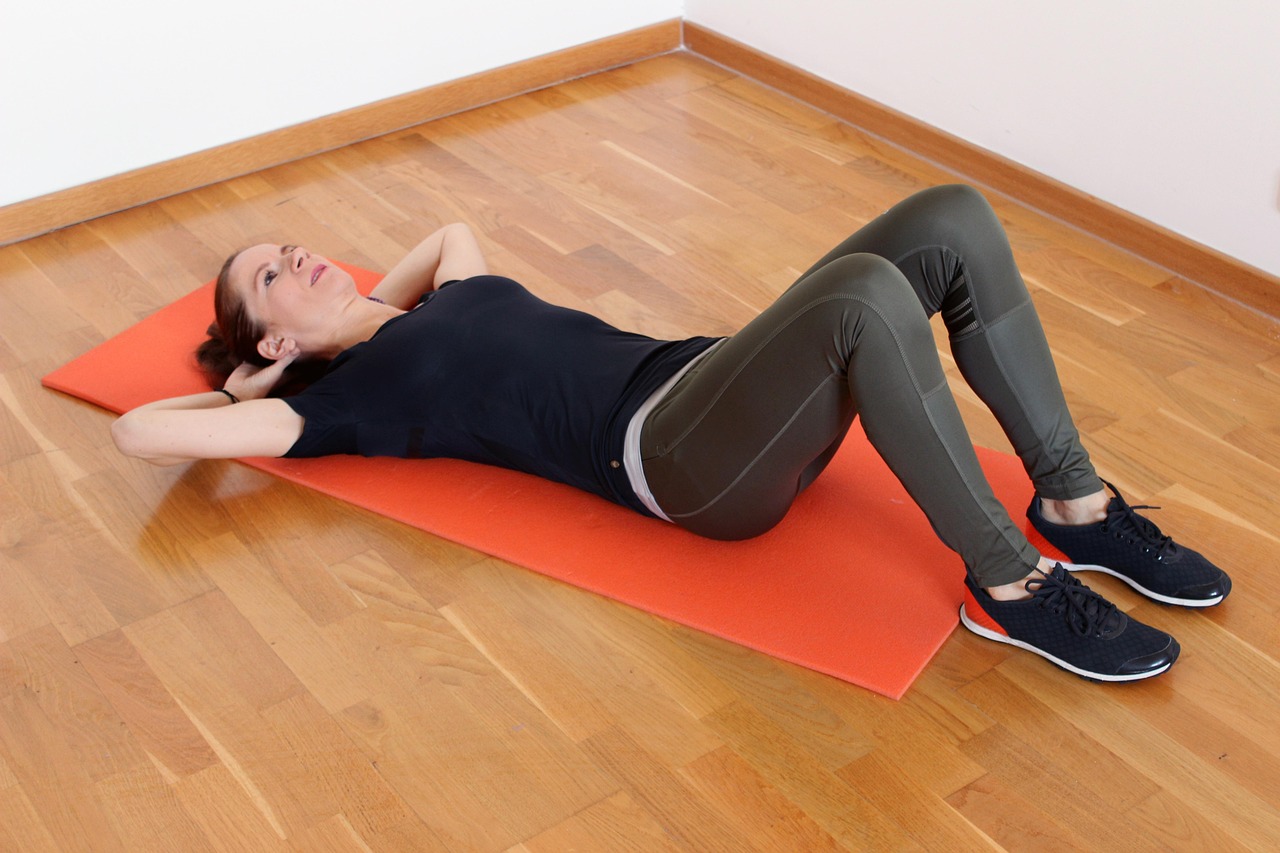

Integrating Core Workouts into Full Body Routines
Core workouts are essential for building a strong foundation in fitness. Integrating these exercises into full-body routines enhances overall strength, stability, and posture. The core includes muscles surrounding the abdomen, hips, and lower back, which work together to maintain balance and support movement. A robust core not only improves athletic performance but also protects against injury during workouts. One effective approach is to incorporate core exercises in between compound movements, thus maximizing the workout’s efficiency. For example, performing a set of squats followed by a plank can effectively target multiple muscle groups while keeping the heart rate elevated. As you plan your routines, consider adding variations to core workouts, such as stability ball exercises, medicine ball routines, or even Pilates or yoga poses. Not only do these additions maintain interest, they also challenge the muscles in new ways. Since core strength is foundational, it’s advisable to include these workouts two to three times per week as part of an overall fitness regimen. This will pave the way for improved results and better overall well-being.
To optimize core strength gains, you should integrate various core-focused exercises into your routine. Some essential exercises include planks, Russian twists, bicycle crunches, and leg raises. Each of these movements activates different parts of the core, contributing to balanced strength development. As you start, focus on quality over quantity, ensuring proper form to avoid injury. Gradually increase the intensity and complexity of the movements as you become more proficient. You can also use resistance bands or weights to add variety and challenge to your workouts. Consider partnering with a trainer to design a full-body workout plan that emphasizes your core. A well-designed program allows for recovery periods which help avoid burnout and enhance muscle growth. Aim for at least 30 minutes of combined core exercises within each full-body session. Consistency is key in reaping the benefits of these workouts, so establishing a regular schedule is crucial. Many athletes choose to incorporate core workouts at the end of their routine to ensure engagement and commitment. This will not only reinforce strength but also improves stability and enhances performance during other exercises.
Effective Core Exercises
For a balanced fitness regimen, it’s important to start incorporating effective core exercise variations. Standard crunches can be complemented by unique variations such as stability ball crunches or resistance band crunches, which activate the targeted muscles in different ways. Additionally, functional movements like woodchoppers and medicine ball slams engage the core dynamically, mimicking real-life movements. Performing these exercises in supersets can elevate heart rates while maintaining core engagement. This ensures that core workouts remain intense and beneficial. It is also advisable to focus on engaging the transverse abdominis, which plays a crucial role in sports and daily activities. Adding exercises like dead bugs or pelvic tilts can engage this critical muscle group effectively. The key to achieving a strong core lies in maximizing the variety, intensity, and modality of the workouts. This not only enhances muscle recruitment but also keeps workouts enjoyable and challenging. Moreover, variations help encourage proper alignment and posture during other workouts, enhancing overall performance and reducing injury risks. Make sure to regularly revise your workout plan, ensuring all muscle groups benefit from proper core engagement.
As you continue to build core strength, it’s vital to connect your breathing to your movements. Proper breathing techniques, such as exhaling during exertion, can help engage the core more effectively. This ensures that muscles work in unison for optimal performance. Pairing deep breathing with core exercises can create a relaxing, focused workout atmosphere. Utilizing mindfulness techniques can help maintain concentration during the workout. This not only increases the workout’s effectiveness but also improves mental resilience and focus. Aim for sessions that last no more than 60 minutes, ensuring that you include core and full-body exercises. Make sure to allow at least one day of rest before repeating core workouts, giving muscles time to recover and rebuild. To track progress, keep a journal detailing exercises, repetitions, and weights used. This will help motivate and provide accountability as you witness improvements over time. To keep yourself committed, consider finding a workout partner or joining a class to foster camaraderie. Remember that fitness is a journey; enjoy the process and celebrate the small victories along the way.
Considerations for Core Integration
When integrating core workouts into your full-body routine, consider the overall balance and effectiveness of the exercise selections. Avoid overemphasizing core workouts at the expense of other muscle groups, as a balanced approach ensures optimal results. It’s essential to choose exercises that engage the core while also focusing on other important muscle groups. One effective way is to incorporate core movements during upper and lower body workouts, such as performing kettlebell deadlifts alongside planks or push-ups with knee tucks. Additionally, be attentive to muscle fatigue levels. If performing a full circuit, rest as necessary to ensure you maintain proper form throughout the workout. As you adapt to your routine, monitor your body’s signals and adjust workout intensity accordingly, prioritizing safety and injury prevention. Make modifications to core workouts as needed, opting for less demanding exercises for recovery days. Keeping an open mindset will provide opportunities to explore different training styles and adjust your fitness goals when necessary. For holistic fitness improvement, also consider proper hydration and nutrition alongside workout consistency.
Moreover, engaging in core workouts can significantly improve athletic performance by enhancing functional strength and stability. This is particularly beneficial for weight-bearing activities such as running, cycling, or even swimming, where core strength is vital for maintaining form. Many athletes notice improvements in their endurance and overall output when core training is coupled with weight training. Additionally, when the core is strong, it can transfer force more effectively throughout the body, providing a solid foundation for explosive movements. Thus, athletes from various disciplines can greatly benefit from integrating these workouts into their training plans. Also, cross-training with different disciplines, such as martial arts, yoga, or Pilates, can yield comprehensive improvements in both core stability and overall athleticism. These activities teach control, balance, and strength in diverse ways, fostering well-rounded capabilities. As you progress, consider setting specific fitness goals to test the effectiveness of your core-focused routines. These can include increasing weights, performing exercises for longer durations, or even enhancing performance metrics in specific sports. Ultimately, implementing core workouts can lead to remarkable advancements across multiple facets of physical fitness.
Conclusion
In conclusion, effectively integrating core workouts into full-body routines is essential for anyone seeking to improve fitness levels. These workouts not only enhance core strength but also foster stability, balance, and injury prevention. An effective core workout regimen can involve various engaging exercises performed alongside compound movements. It is crucial to prioritize proper form and breathing to maximize strength gains. Keeping workouts enjoyable, including variety, will enhance your commitment to an overall fitness journey. Remember that the journey to improved fitness requires patience and consistency; celebrate each step along the way and find motivation in progress. Regularly evaluate your workout plans and stay adaptable to address your changing fitness needs. The beauty of fitness lies in its versatility and the multiple ways to engage the body and mind simultaneously. By making thoughtful choices in workouts, considering balance, and emphasizing gradual improvements, you’ll set a solid foundation for lasting fitness success. Always aim to enhance your skills, celebrate your achievements, and never hesitate to reach out for support or guidance when needed. Investing time and effort in core workouts is a rewarding approach to achieving your overall health and fitness goals.
As you begin to integrate core workouts into your full-body routines, consider the numerous benefits that lie ahead. With a healthy approach, you can develop a powerful core that serves as the backbone for all physical activities, making every routine more effective. Enhanced core strength improves stability, posture, and movement efficiency, which translates to better performance in your fitness activities. Incorporating various core exercises and maintaining balance is key to ensuring that all muscle groups receive attention. Performing various exercises not only keeps the training interesting but also challenges your body in new ways, making adaptations. Additionally, consistency in workouts is essential for achieving optimum results. Set realistic goals and celebrate milestones as you progress on your fitness journey. Stay aware of your body and listen to its signals throughout your workouts. Adapt your plan if necessary, ensuring safety and effectiveness while maximizing recoveries. With a robust strategy for integrating core workouts, you can embark on a rewarding fitness journey that not only transforms your body but also enhances your overall well-being. By embracing this balanced approach to exercise, you’ll cultivate a healthier, stronger lifestyle that lasts.