
The Role of Hydration in Outdoor Workout Recovery
After an intense outdoor workout, the body undergoes significant stress and dehydration can greatly hinder the recovery process. Hydration plays a vital role in restoring electrolyte balance, ensuring that nutrients are properly transported to the muscles. Water is essential for cellular function, and inadequate fluid intake can lead to fatigue, cramps, and prolonged recovery times. It’s crucial to replenish lost fluids post-exercise. Keeping hydrated helps to remove waste products generated during workouts, reducing soreness and enhancing recovery. In particular, outdoor activities like running, cycling, or hiking can elevate sweat loss, making it essential to drink enough water. Many athletes overlook hydration because they feel fine immediately after their workout. However, delaying hydration can lead to serious consequences, affecting performance in future sessions. To prevent dehydration, always carry a water bottle during workouts. Additionally, encourage the habit of sipping water throughout the day, not just during exercise. Also, incorporating electrolyte-rich drinks can be beneficial after intense sessions. A well-planned hydration strategy is not just about quenching thirst; it is fundamental for achieving optimal recovery.
When considering hydration strategies, it’s essential to understand the specific needs of your body. Factors influencing hydration requirements include exercise intensity, duration, and environmental conditions. For example, hotter temperatures increase sweat loss, therefore more fluids are necessary. Additionally, workouts lasting longer than an hour may necessitate a sports drink to replenish electrolytes. Not all hydration is created equal; the choice of fluids matters. While water suffices for short workouts, high-intensity sessions may benefit from electrolyte-rich beverages. Pay attention to signs of dehydration, such as dark urine, fatigue, and dizziness. To maximize recovery, create a hydration plan tailored to your workouts, ensuring you drink adequate fluids before, during, and after exercise. Keep in mind that hydration is not only crucial immediately post-workout; maintenance of hydration over the following hours is also necessary. Some athletes may find it helpful to use hydration tracking apps, reminding them to drink regularly. Maintaining optimal hydration will ensure improved recovery outcomes, thus enhancing performance in subsequent workouts, leading to long-term fitness progression.
Post-Workout Hydration Practices
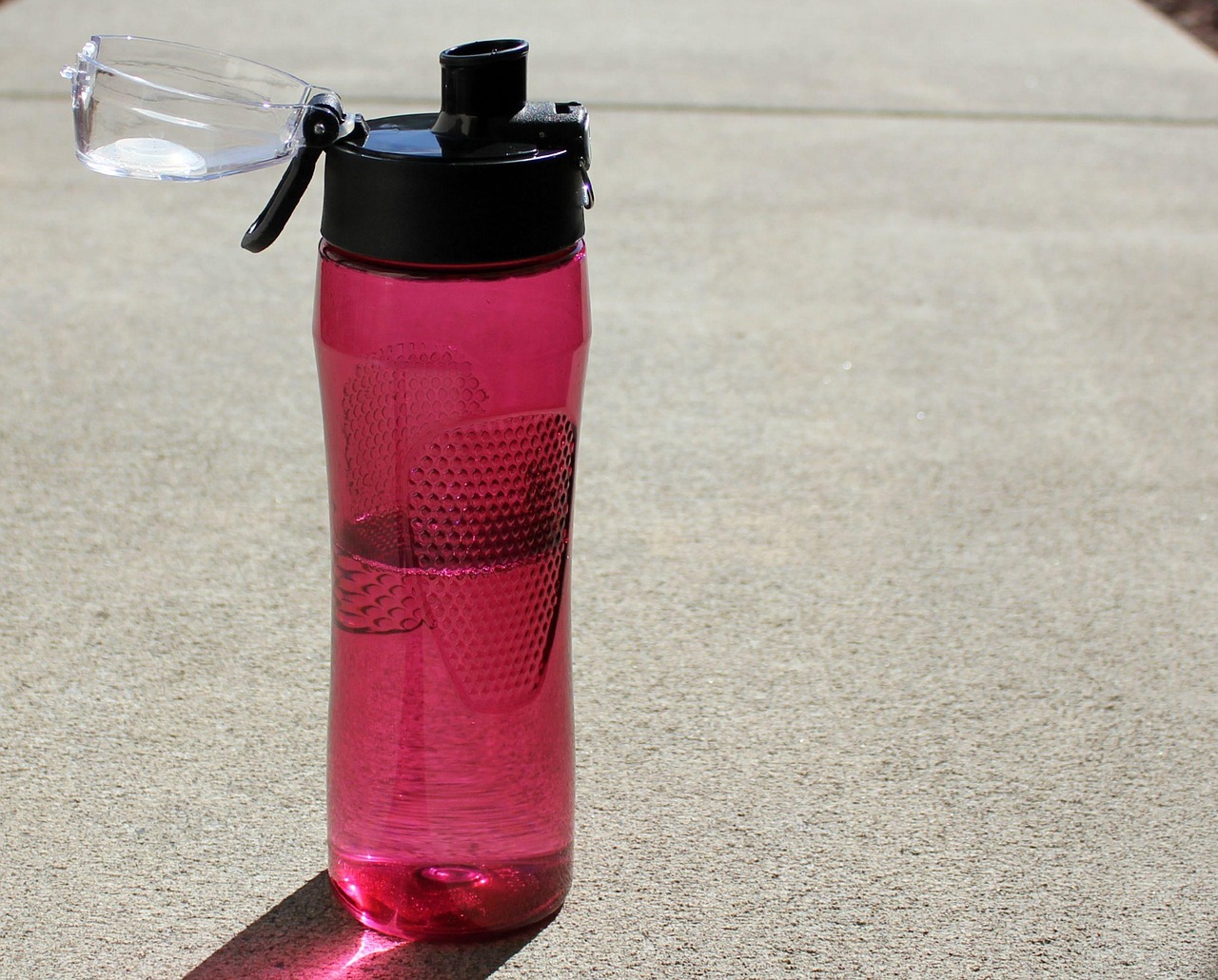
Implementing effective post-workout hydration practices can greatly enhance recovery. After completing a workout, aim to drink at least 16-24 ounces of fluid. This immediate post-exercise hydration should include both water and electrolyte replacements, particularly after intense activities. It’s advisable to consume a drink that contains sodium and potassium to help rejuvenate lost minerals. A good rule of thumb is to hydrate for every pound of water lost during exercise; this demands weigh-ins before and after workouts. When signalling your thirst, your body is already slightly dehydrated, so it is advisable to be proactive about fluid intake. Creative methods to encourage hydration include infusing water with fruits or choosing herbal teas. Another effective practice is to set reminders or use water bottles with marked measurements, indicating fluid intake goals. In certain cases, smoothies containing electrolytes and vitamins can be both hydrating and nourishing, promoting a compounded effect on recovery and muscle health. Regular attention to fluid consumption post-exercise will yield notable benefits over time, promoting overall health and performance improvements.
The timing of hydration is an often overlooked aspect of workout recovery. Studies suggest that fluids consumed immediately after exercising have a more significant impact than those consumed later. This critical window of hydration can help jumpstart the recovery processes within the muscles. After a workout, your muscles are primed to absorb nutrients effectively, making it an ideal moment to focus on fluid intake. Plan your post-workout nutrition to include both hydration and protein, as protein aids muscle repair. Items like chocolate milk combine hydration with protein, making them a convenient and delicious choice. Monitoring hydration levels consistently should become part of your outdoor workout routine. Establish a habit of drinking water throughout the day to prevent dehydration before it occurs. Note that hydration isn’t only about quantity but also quality, focusing on nutrient-dense beverages. This holistic approach to hydration supports energy levels and aids in the overall recovery phase. Additionally, engaging with others in hydration challenges or discussions can help keep you motivated to maintain proper hydration habits after your workouts.
Healthy Hydration Foods and Practices
Incorporating hydrating foods into your diet can further support recovery after outdoor workouts. Fruits like watermelon, oranges, and cucumbers contain high water content, making them excellent choices for rehydration. These foods not only replenish fluids but also provide essential vitamins and minerals, contributing to overall nutrition. Similarly, consuming soups or broths can be an effective way to hydrate while enjoying nutritious meals. Ensure your meals are balanced, containing carbohydrates, proteins, and healthy fats alongside hydration-focused options. Natural coconut water serves as a fantastic source of electrolytes and hydration. In addition, maintaining a consistent eating schedule throughout the day ensures your body remains well-nourished. Be cautious with sugary and caffeinated beverages; they may contribute to dehydration over time. Staying hydrated goes beyond just drinking fluids; it encompasses a comprehensive approach that includes consuming foods with high water content. Listening to your body’s needs regarding fluid intake is key to optimizing recovery after outdoor workouts and ensuring that you remain in peak physical condition.
Monitoring your hydration levels can enhance recovery even further. Here are some tips for effective hydration monitoring: regularly check urine color, aiming for a pale yellow as an indicator of proper hydration. Additionally, keep a hydration journal to track daily fluid intake and monitor exercise-related losses. Set hydration goals tailored to workout intensity, aligning your fluid consumption accordingly. Wearing specialized smart hydration trackers can also assist in maintaining optimal hydration levels by providing real-time feedback. Resources such as apps can help remind you to drink water throughout the day, increasing consistency. Engaging in a variety of fluids will reduce boredom and enhance hydration rates, incorporating different flavors and temperatures. Keep your favorite hydration source readily available during workouts to promote consistent consumption. Staying hydrated throughout active lifestyles helps to prevent fatigue and ensures that you recover well. Establishing a positive hydration habit makes a difference in athletic performance and allows for more enjoyable outdoor workouts in varying conditions. Commitment to hydration can yield long-lasting benefits both inside and outside of the gym.
Final Thoughts on Hydration
In conclusion, hydration is a cornerstone of effective recovery post-workout, significantly influencing overall performance and endurance in outdoor activities. A well-structured hydration plan is essential for individuals engaged in outdoor workouts, ensuring that fluid loss from sweat is compensated effectively. From the timing and quality of fluid intake to the incorporation of hydrating foods, consider every element that impacts recovery. Furthermore, awareness of the body’s signals and needs is vital in establishing successful hydration habits. Early preparation before workouts, including laying out your hydration options, makes it easier to prioritize fluid intake both during and especially after exercise. Use creative strategies to stay engaged in your hydration journey, enriching your overall health. Whether through infused water, enjoyable recovery drinks, or hydrating foods, the focus on hydration needs to be at the forefront of your workout routine. Better hydration not only facilitates recovery but it can also improve subsequent workout performance. So next time you finish an outdoor session, remember that a well-hydrated body is better equipped to tackle future challenges with resilience and strength.
Emphasizing hydration as a priority within your routine is essential. Make adjustments based on your workout’s demands and underline the importance of hydration in ensuring athletic longevity. As you embark on your outdoor fitness journey, remember that your body works hard and deserves proper nourishment and care. You’ll not only enjoy workouts more due to enhanced energy and less fatigue, but also achieve recovery goals efficiently. A strong hydration strategy fosters a sustainable outdoor fitness lifestyle and contributes to a more profound appreciation of the journey you are on. Always listen to your body, and if it craves fluids, satisfy that need promptly. Celebrate your accomplishments in staying hydrated as part of your overall fitness plan, making it a rewarding part of your outdoor approach. Transitioning slowly to a more hydration-centric mindset can significantly impact your outdoor workouts. Each ounce of water and nutrient-dense meal are steps towards effective recovery. Recognize that staying hydrated is a continuous process, one that is crucial not only for recovery but also for your overall well-being. Prioritize hydration now and create a lasting foundation for your health and fitness aspirations.