
Breathing Techniques to Combat Anxiety and Improve Focus
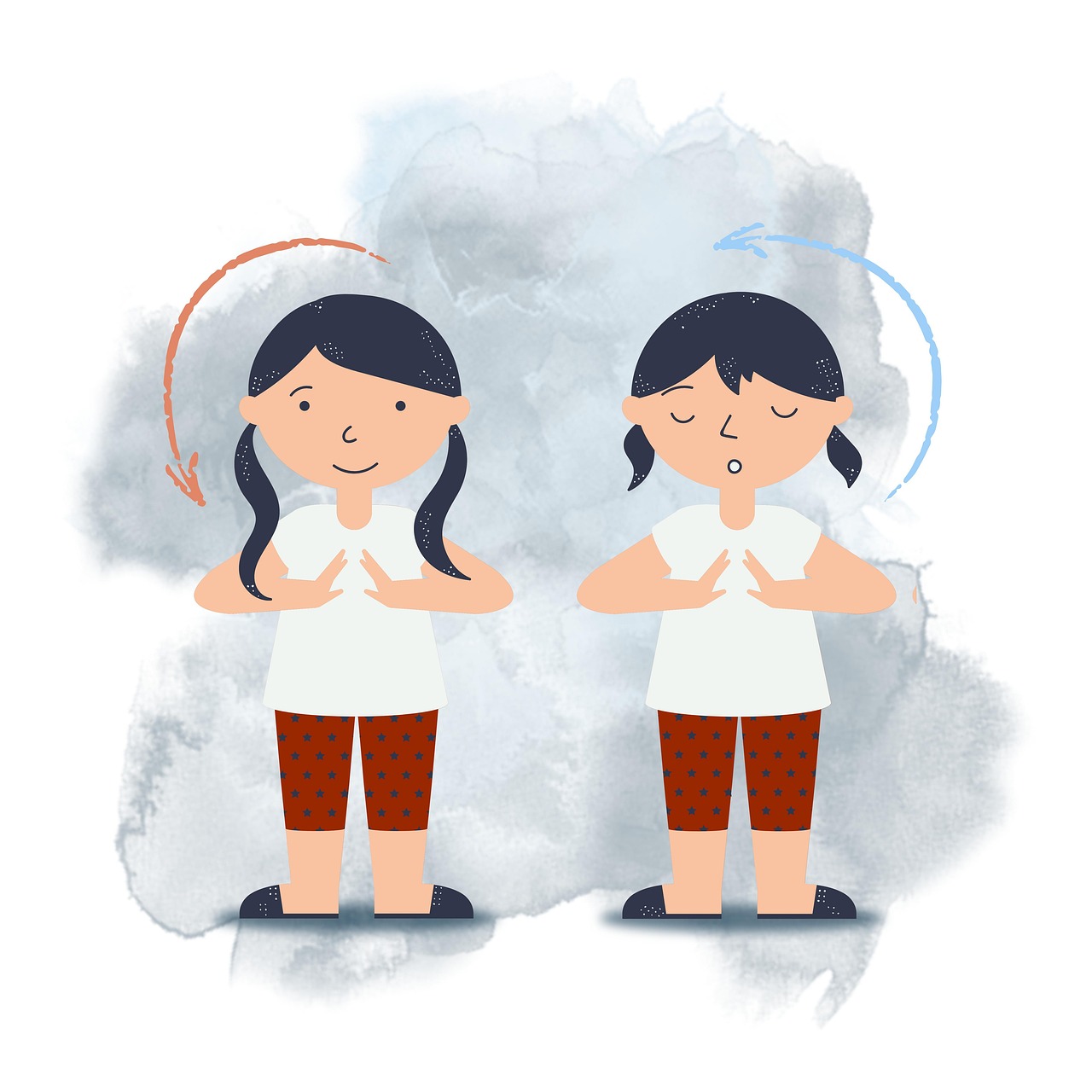
Anxiety often manifests in various ways, affecting not just mental well-being but also physical health. Engaging in effective breathing techniques can profoundly influence how anxiety is experienced and addressed. One popular technique is deep diaphragmatic breathing, which lowers heart rate and reduces stress. This method involves breathing deeply through the nose, ensuring that the diaphragm is engaged, and exhaling slowly through the mouth. This rhythmic practice not only calms the nervous system but also enhances focus and clarity. For beginners, it can be helpful to count each breath. Inhale for a count of four, hold for four, and exhale for a count of six. Consistent practice of this method leads to better emotional regulation and increased productivity, especially in high-pressure scenarios. Moreover, pairing breathing techniques with mindfulness or meditation further amplifies their benefits, creating a dual approach to managing anxiety. Understanding and implementing these strategies can foster a more balanced state of mind, leading to improved overall health and wellness.
The Role of Breathing in Stress Management
Breathing is not just a necessary biological function; it also serves as a powerful tool in managing stress and anxiety. The way we breathe can significantly impact our emotional and physical responses. Shallow breathing can contribute to feelings of panic and tension, while deep, deliberate breaths can promote relaxation and lower anxiety levels. One method worth exploring is box breathing, which consists of four equal parts: inhaling, holding the breath, exhaling, and pausing. Each phase lasts for four seconds. This technique is used by athletes and military personnel to maintain focus and composure in stressful situations. Additionally, engaging in breathing exercises for only a few minutes a day can help rewire the nervous system, promoting a state of calm. It can be beneficial to practice these techniques in a quiet setting, preferably every morning to start the day with an improved mindset. As one becomes consistent, the ability to manage stress effectively increases and becomes a natural response to anxiety-provoking situations.
Among various breathing techniques, the 4-7-8 method has gained popularity for its simplicity and effectiveness. This technique encourages relaxation by regulating breath, which calms the mind and body. The process begins with inhaling through the nose for four counts, holding the breath for seven counts, and then exhaling through the mouth for eight counts. This cycle is repeated four times. Practicing the 4-7-8 technique creates a sense of lightness and tranquility, especially when done just before sleep. It helps in reducing anxiety-induced insomnia, thus improving overall health. Furthermore, this breathing pattern triggers the parasympathetic nervous system, encouraging relaxation responses in the body. For those struggling with focus and concentration, incorporating these breathing exercises can provide a mental clarity that is often lost during stressful moments. To maximize the benefits, one can combine this method with visualization techniques where calming images or memories are envisioned during the breathing process. This engaging practice leads to a deeper state of relaxation, making it a valuable addition to daily routines.
Integrating Breathing Techniques into Daily Routine
Integrating breathing techniques into your daily routine can yield significant benefits for both mental clarity and emotional well-being. Creating consistent rituals around these practices is key to maximizing their advantages. Starting the day with a five-minute session of deep breathing can prepare the mind for challenges ahead. One effective approach is to set specific times during the day to focus on breathwork, such as during breaks at work, while stuck in traffic, or right before bedtime. Utilizing mobile apps designed for guided breathing exercises can make this process easier and more engaging. These apps often feature reminders that encourage users to practice mindfulness throughout their day, further reinforcing positive habits. Additionally, pairing breathing exercises with physical activity, such as yoga or tai chi, can enhance both the physical and mental results. Keeping a journal to reflect on the feelings experienced during each session can also foster a deeper understanding of personal growth over time. Establishing this practice may lead to a calmer, more mindful life, positively impacting relationships and personal perspective.
Breathing techniques can be particularly beneficial in high anxiety situations, such as public speaking or during stressful work periods. Utilizing a technique known as resonant or coherent breathing helps individuals regain control over their responses. This method involves inhaling and exhaling at the same rate, usually around five breaths per minute. Engaging in this practice stimulates the vagus nerve, promoting feelings of safety and calmness. Another powerful method is alternate nostril breathing, derived from yoga practices, which not only reduces anxiety but also promotes mental clarity. This technique balances the left and right hemispheres of the brain, leading to a more harmonious state of mind. To perform it, close one nostril with a finger, inhale through the open nostril, switch, and exhale through the opposite side. This cycle can continue for five to ten minutes. Incorporating such practices into everyday life can significantly mitigate feelings of nervousness. The more one practices, the more intuitive these techniques become, allowing for enhanced coping strategies in everyday life.
Breathing Techniques for Enhanced Focus
Enhanced focus can also be attained through mindful breathing techniques. By incorporating breathing into concentration tasks, individuals can find greater clarity in their thinking processes. The technique of breath counting, for instance, allows practitioners to hone in on their breath while counting each inhalation and exhalation. This method effectively helps to minimize distractions from anxious thoughts and enhances overall awareness. Utilizing breath counting during meditation can foster profound states of concentration, often leading to insightful breakthroughs. Another technique, known as single-nostril breathing, can be practiced to increase focus during study or work sessions. This involves closing one nostril and breathing deeply and fully through the other. After a few moments, switching to the opposite nostril continues this focused breathing. This practice centers the mind and enhances cognitive abilities. Both methods may seem simple but can be incredibly effective when practiced regularly. Implementing these techniques can allow for new levels of productivity and creativity in various personal and professional areas, contributing to success and well-being.
Lastly, consistency is crucial for the effectiveness of these breathing techniques. As with any skill, the more one practices these techniques, the more proficient and integrated they become. Setting aside dedicated time each day can transform how one navigates life’s challenges. Additionally, sharing these techniques with friends and family can create a supportive environment fostering collective growth. Engaging in group breathing sessions can also enhance motivation, making the practice feel less solitary. Whether it’s through workshops, community classes, or online platforms, learning together can introduce a sense of camaraderie and accountability. Exploring different techniques and finding what resonates most with individual needs is vital; everyone may respond differently. Above all, embracing the journey of breathwork can significantly enhance quality of life, promoting a meaningful approach to dealing with anxiety while cultivating a more focused mindset. In turn, this can lead to personal empowerment, greater self-awareness, and improved health outcomes. Through regular practice, confidence is nurtured, and any lingering anxious feelings can be managed more effectively.