
Hydration and Its Role in Injury Prevention During Training
Proper hydration is essential for optimal exercise performance and injury prevention. Without adequate water intake, your body can suffer from dehydration, leading to diminished physical capabilities. Dehydration can cause muscle fatigue and cramping, impairing your ability to train effectively. Furthermore, a dehydrated muscle is more susceptible to injuries such as strains or sprains. Staying well-hydrated helps maintain blood volume, allowing for efficient nutrient delivery to muscles. Additionally, hydration aids in regulating body temperature and maintaining joint lubrication. During prolonged training sessions, a drop in hydration levels can impact focus and reaction times, leading to dangerous falls or accidents. It’s essential for athletes to think about their hydration strategy before, during, and after training. Consuming fluids should be a part of an athlete’s routine, including the types of fluids beneficial for recovery. Whether through water, electrolytes, or sports drinks, having a hydration plan can make a significant difference in performance and safety. Remember, being proactive about hydration can lead to long-lasting results that enhance both training effectiveness and injury prevention. Your body will reward this conscious effort with improved performance and reduced risk of injury.
Hydration strategies cannot be overlooked, especially during intense workouts. Athletes should be mindful of their individual hydration needs, as these can vary based on several factors. Body weight, environmental conditions, workout intensity, and duration all play vital roles in determining how much fluid is necessary for safe training. For instance, warmer climates often result in increased perspiration loss, emphasizing the need for greater fluid intake. In contrast, colder environments may mask dehydration symptoms. Athletes must develop an understanding of their body’s signals, such as thirst or fatigue, which indicate hydration status. A general guideline for hydration is to drink at least 17-20 ounces of water two to three hours before exercising and continue sipping water throughout the session. Post-exercise hydration is equally important to replenish fluids lost during training. An effective approach often involves a combination of water and electrolyte-rich drinks to restore balance. Nutritional considerations also should not be ignored. Eating water-rich foods, like fruits and vegetables, can contribute to overall hydration needs. Monitoring urine color can also serve as a simple visual gauge for hydration status during workouts.
The Importance of Electrolyte Balance
Electrolytes play a crucial role in hydration during training and overall performance, as they help regulate fluid balance in your body. When sweat is lost, electrolytes such as sodium, potassium, and magnesium are also depleted, leading to an imbalance that can adversely affect muscle function. To maintain optimal hydration levels, athletes must replenish not only water but also essential electrolytes. Research shows that inadequate electrolyte levels can lead to cramps, fatigue, and decreased performance. Sports drinks formulated with electrolytes can aid in restoring these crucial minerals during and after intense workouts. Additionally, incorporating electrolyte-rich foods into the diet, such as bananas, oranges, and nuts, can contribute to overall recovery. Hydration drinks specifically designed for longer training sessions can help maintain high performance levels without causing gastrointestinal discomfort. While water is essential, relying solely on it during prolonged activities can neglect crucial electrolytes lost through sweat. Balancing hydration strategies can support training efforts, improve endurance, and help prevent injuries. Therefore, athletes must carefully consider their hydration sources during exercise, particularly in challenging environmental conditions that contribute to rapid fluid and electrolyte loss.
Injuries often sideline athletes and can have long-lasting effects on performance and well-being. Adequate hydration reduces injury risk by promoting optimal muscle function and recovery. When muscles are well-hydrated, they are less prone to strains and cramps, resulting in improved performance. Hydration also plays a role in maintaining joint health by ensuring synovial fluid is present, acting as a lubricant to decrease friction during movement. Consequently, hydrated joints are less likely to incur injuries due to overuse or impact. Furthermore, regular hydration helps rid the body of waste products, essential for recovery following intense workouts. Dehydration can lead to increased lactic acid levels, causing soreness and impacting training intensity. Additionally, a well-hydrated athlete finds it easier to focus, leading to better decision-making during training sessions or competitions. This mental clarity can prevent accidents and injuries caused by lapses in judgment. To focus specifically on hydration efforts, athletes should establish a routine that ensures consistent water intake. Ultimately, prioritizing hydration not only enhances performance but plays a vital role in long-term injury prevention.
Practical Tips for Staying Hydrated
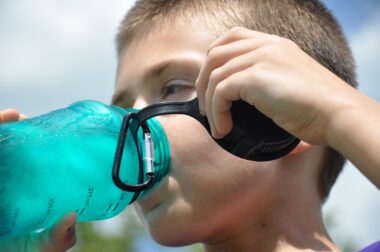
Implementing effective strategies for hydration during exercise can greatly enhance performance and injury prevention. Transitioning from hydration theory to practice requires specific actions in daily routines. First, athletes should start their day with water to initiate the hydration process. Carrying a refillable water bottle is a practical way to track fluid intake throughout the day and during workouts. Establishing an hourly hydration goal can help athletes consistently monitor their intake. Additionally, integrating hydration reminders, such as apps or alarms, can enhance awareness of fluid needs. If participating in longer training sessions, consuming small amounts of water every 15-20 minutes keeps hydration levels steady. Experimenting with flavored water or electrolytes during training can make this process more enjoyable and promote compliance. Post-exercise hydration is equally important for recovery; athletes should aim to consume fluids within 30 minutes after completing a workout. Tailoring hydration strategies to fit individual preferences and training demands will ensure success. Ultimately, proactive hydration habits will greatly enhance overall performance while significantly reducing injury risks during rigorous training regimens.
While hydration is critical during exercise, it’s also vital to consider its impact outside of training sessions. Consistent water intake throughout the day helps maintain optimum hydration levels, improving overall health and performance. Athletes should consume fluids not only during workouts but also in their regular daily intake to create a solid hydration foundation. Planning meals with a balance of water-rich foods, such as fruits and vegetables, can be beneficial for maintaining fluid levels. Regular hydration fosters better digestion, cognitive function, and energy levels, aiding performance in both training and competition. An often-overlooked aspect is mindful listening to one’s body. Recognizing subtle signs of dehydration, such as headaches or fatigue, empowers athletes to act before these issues escalate. Maintaining individual hydration plans, incorporating both fluid and food sources, can create a customized framework for success. Staying hydrated also facilitates quicker recovery between workouts, allowing for proper rest. By integrating these practices and maintaining a holistic approach toward hydration, athletes maximize their chances of succeeding in injury prevention while enhancing their overall exercise performance.
Conclusion
In conclusion, hydration is a critical factor in preventing injuries during training and optimizing exercise performance. Without proper hydration, athletes may face increased risks of muscle fatigue, cramps, and decreased focus, all of which can lead to injuries. Effective hydration strategies can be customized depending on the unique requirements of each individual. Regularly monitoring fluid intake, listening to bodily cues, and understanding the role of electrolytes can significantly enhance athletic performance and reduce injury risks. Maintaining hydration during training sessions with a combination of water and electrolyte-rich fluids can help restore balance, especially after intense workouts. The importance of hydration extends beyond the gym, impacting overall health, recovery, and daily energy levels. By prioritizing hydration and creating a routine that incorporates consistent fluid intake, athletes set themselves up for success. As the connection between hydration and injury prevention becomes increasingly evident, athletes are encouraged to break down barriers that often lead to neglecting hydration needs. Ultimately, the key to athletic excellence lies in the simple yet powerful act of staying hydrated throughout every aspect of training.
Understanding the consequences of dehydration is essential for anyone engaging in physical activity. It’s imperative to be aware that even mild dehydration can lead to a significant decline in exercise performance. Failure to maintain proper hydration can negatively impact endurance, strength, and overall energy levels. Additionally, cognitive functions such as decision-making can also suffer, increasing the risk of accidents during physical activities. This highlights the importance of staying ahead of your hydration needs, rather than waiting until you feel thirsty. Strategies like setting a hydration schedule or keeping track of fluid intake can be beneficial for sports enthusiasts. Collaborating with a nutritionist or coach can provide tailored hydration plans for individual athletes based on their training regimens and needs. Furthermore, understanding the signs of dehydration is crucial; these may include symptoms such as dizziness, dry mouth, or lethargy. Athletes must take these indicators seriously and act swiftly to rehydrate. Engaging in hydration education as part of training programs can ensure that athletes prioritize fluid intake consistently over time. This approach not only enhances performance but importantly contributes to preventing injuries associated with inadequate hydration.