
The Role of Aromatherapy in Enhancing REM Sleep
Aromatherapy has gained popularity as an alternative therapy for improving sleep quality and promoting restful rest. Essential oils, derived from plants, have been known for their therapeutic properties for centuries. A key benefit of aromatherapy is its potential to enhance REM (Rapid Eye Movement) sleep, a crucial phase for physical and mental recovery. Research suggests that certain scents such as lavender, chamomile, and bergamot can create a calming atmosphere conducive to deeper sleep. When inhaled, these scents interact with the brain’s limbic system, which influences emotions and memories. This process can help alleviate stress, anxiety, and sleep disturbances, leading to a more restorative sleep cycle. For optimal results, essential oils can be used in a diffuser, added to bathwater, or applied topically when diluted with carrier oils. Integrating aromatherapy into a bedtime routine may facilitate a significant improvement in sleep patterns. Creating a relaxing environment through scent can also support healthy habits, making it easier to transition into a state of relaxation for sleep. Incorporating these practices can ultimately lead to overall improved well-being and greater sleep satisfaction.
Choosing the right essential oils for sleep enhancement is crucial. Each essential oil possesses unique properties that can help target specific sleep issues. Here are some of the most popular essential oils used for promoting REM sleep:
- Lavender: Renowned for its calming effects, it can reduce anxiety and emotional stress, allowing for a peaceful night’s rest.
- Chamomile: Often consumed as herbal tea, chamomile also works wonders as an essential oil to calm the mind and body.
- Bergamot: Its citrusy aroma has been shown to lower heart rates and reduce feelings of stress.
- Ylang Ylang: This floral scent is known to decrease blood pressure and create a sense of tranquility.
When selecting oils, it’s essential to consider personal preferences. Individual scent response varies; what may be soothing for one person might not be for another. Experimenting with different combinations can help identify the ideal blend.
Methods of Using Aromatherapy
Understanding how to appropriately use essential oils is key to harvesting their benefits for sleep. Below are various methods to incorporate aromatherapy into your bedtime routine, ensuring an enhanced sleep experience that promotes REM sleep.
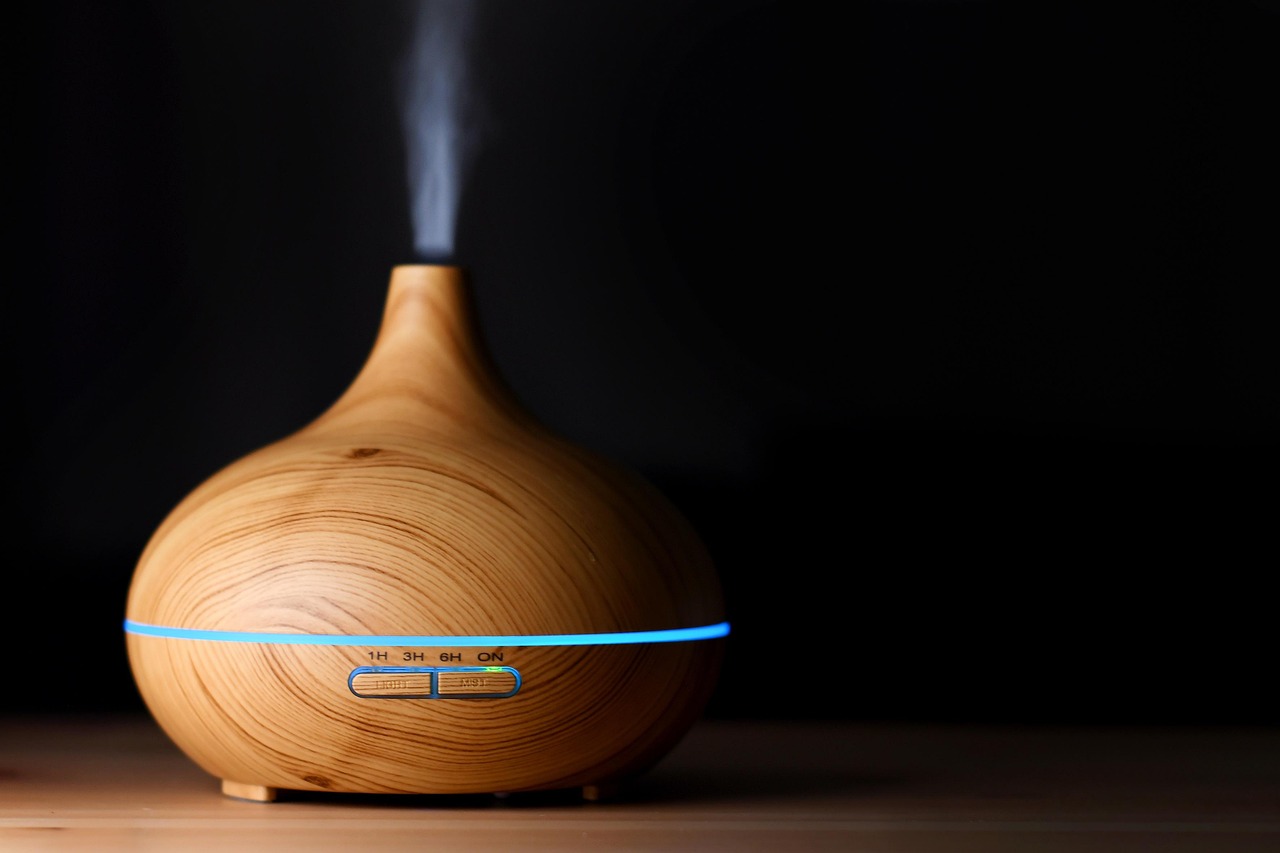
- Diffusion: Using an essential oil diffuser in your bedroom can disperse the scent gently throughout the space, creating a soothing atmosphere.
- Topical Application: Diluting essential oils with a carrier oil and massaging them onto pulse points, such as the wrists and neck, can offer calming effects as one drifts off to sleep.
- Bath Soaks: Adding essential oils to warm bath water right before bedtime can create a luxurious and relaxing experience ideal for preparing the body for sleep.
Being consistent with your chosen method enhances the likelihood of effective sleep results. Make it part of the nightly ritual, signaling to your body that it is time to wind down. Pairing these methods with other relaxation techniques can create a more comprehensive wind-down period.
Besides method selection, the environment plays a significant role in utilizing aromatherapy effectively. Ensuring the bedroom environment is conducive to sleep is essential for success. Here are some tips to create an ideal atmosphere:
- Dim Lighting: Reducing bright lights enhances the production of melatonin—a key hormone that regulates sleep cycles.
- Comfortable Bedding: Invest in a quality mattress and pillows that support healthy sleep posture.
- Temperature Control: A cool room is often more favorable for sleep, typically between 60-67°F (15-19°C).
- Minimal Noise: Consider using white noise machines or earplugs to block out potential disturbances that can disrupt sleep.
Creating a calming, serene environment where aromatherapy can flourish is essential for improving both sleep quality and duration. Prioritizing these factors can maximize the benefits of essential oil usage during sleep times, promoting restful rejuvenation.
Integrating Aromatherapy with Other Sleep Strategies
Aromatherapy can be even more effective when integrated with other sleep-enhancing strategies. Combining multiple approaches creates a holistic atmosphere conducive to restful sleep. In addition to aromatherapy, consider incorporating the following practices into your bedtime routine to support improving REM sleep:
- Mindfulness Meditation: Practicing mindfulness can help quiet the mind and reduce anxiety, making it easier to fall asleep.
- Limiting Screen Time: Avoiding screens at least an hour before bed allows the brain to unwind and prepares it for sleep.
- Regular Sleep Schedule: Going to bed and waking up at the same time daily promotes the body’s natural circadian rhythm.
These combinations not only enhance relaxation but also signal to the body that it is time to wind down. Incorporating aromatherapy oils along with such strategies elevates the sleep environment and increases the probability of reaching deeper sleep phases, including REM.
Individual responses to aromatherapy may vary based on several factors, such as overall health, stress level, and personal preference. It’s essential to keep in mind that while many people find these natural remedies beneficial, others may experience different results. Here is what to consider when evaluating the effects of using aromatherapy for sleep:
- Personal Tolerance: Some may find certain scents overly potent or even irritating, which could hinder relaxation.
- Consistency: Regular use of essential oils often leads to better results than sporadic applications.
- Health Considerations: Individuals with respiratory issues should take caution when using diffusers, opting for more subtle applications instead.
Prioritizing personal comfort and making conscious choices ensures that aromatherapy serves as a valuable addition to your sleep-enhancement efforts, yielding constructive outcomes and healthier sleep cycles over time.
Conclusion
Ultimately, the incorporation of aromatherapy into your nightly routine can foster significant improvements in sleep quality and aid in enhancing REM sleep. By understanding the various oils available and their effects, selecting methods of usage, and aligning them with other sleep-friendly practices, individuals can enhance their overall restfulness. Creating a tranquil sleep environment complemented by soothing scents can promote relaxation and encourage your body to enter deeper stages of sleep, including REM, which is critical for memory retention and emotional processing. With the correct combination of essential oils and effective sleep strategies, individuals may find themselves falling asleep more readily, waking up refreshed, and feeling rejuvenated. Experimenting with scents and techniques can lead to the discovery of what works best for each individual. Aromatherapy stands as a wonderful method of naturally encouraging better sleep and should be thoughtfully integrated into personal sleep hygiene routines, championing deeper, more fulfilling rest for everyone.
As the scientific community continues to explore the benefits of essential oils for sleep, the unique blend of nature and well-being will only grow stronger. Studies focusing on aromatherapy’s mechanisms should pave the way for solid confirmation of these ancient practices, thereby enhancing their validity for sleep enhancement. Incorporating these findings can inspire individuals to take charge of their sleep hygiene in an accessible way. Embracing the art of aromatherapy not only enhances sleep but also permits a deeper connection to nature’s healing powers. Naturally improving sleep through these holistic means can lead to further exploration of health and wellness strategies rooted in nature’s gifts. As our understanding deepens, aromatherapy may become an integral aspect of self-care regimens focused on nurturing peaceful sleep and providing optimal health benefits over time.