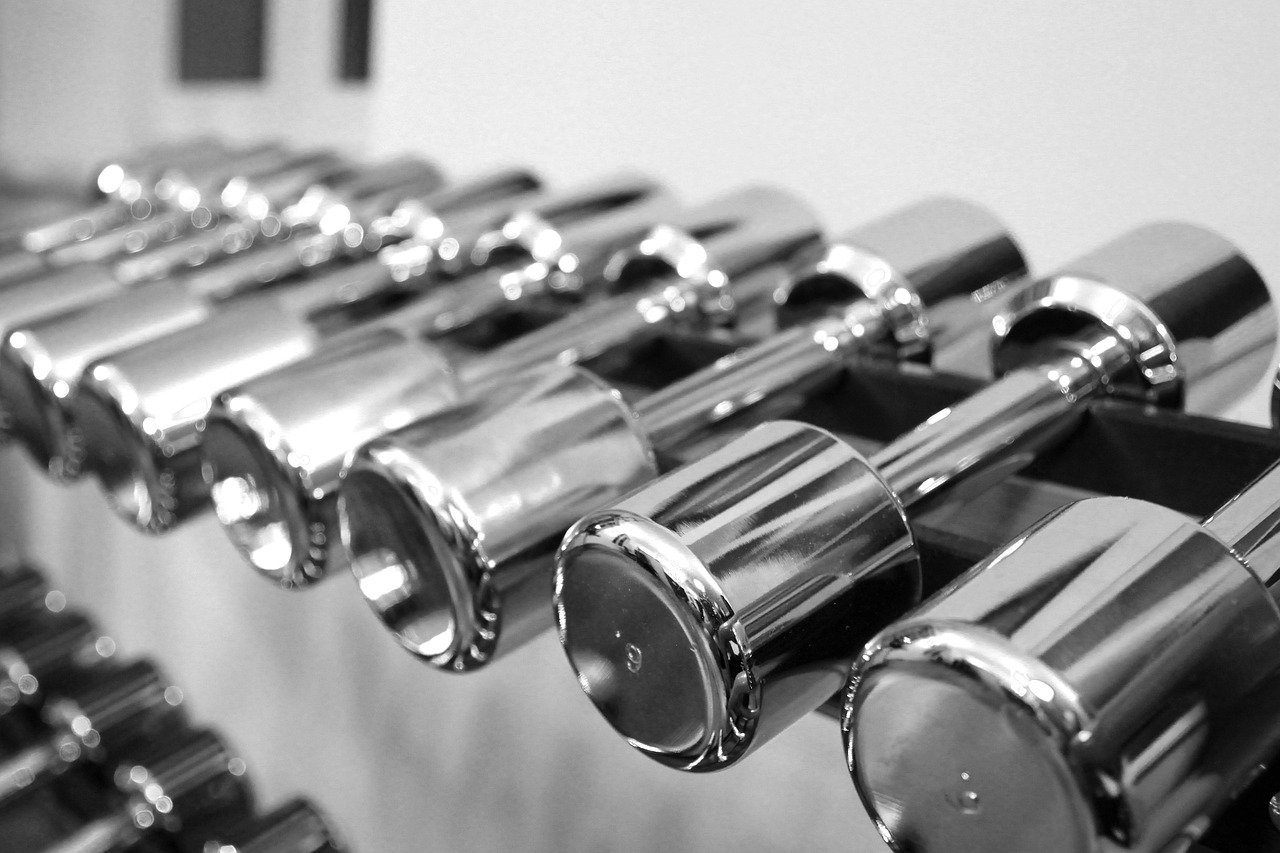

Using Dumbbells: Proper Techniques and Common Mistakes
When it comes to weight training, using dumbbells is a fantastic way to build strength and improve your fitness. However, to maximize your results and minimize the risk of injury, it’s crucial to employ proper techniques when handling dumbbells. First, ensure that you are selecting an appropriate weight that allows you to maintain form throughout your repetitions. A weight that’s too heavy may cause strain or injury, while one that’s too light will not yield significant benefits. Moreover, consider warming up before you start your workout to prepare your muscles for the exercises ahead. Another important aspect is to maintain control during your lifts; avoid swinging or jerking the weights. This control engages your muscles effectively and leads to better gains. Proper grip is also essential; always grasp the dumbbells firmly and with an appropriate hand position. Not only do these practices enhance safety, but they also contribute to more effective workouts. Always listen to your body, and if something feels off, lower the weights or consult a professional if necessary.
Next, let us discuss the significance of proper posture while using dumbbells during your workout. Overarchingly, maintaining the right posture can greatly influence your performance and damage control. For instance, keeping your back straight and chest up during exercises like dumbbell presses or rows helps engage the right muscles and prevents unnecessary stress on your spine. Moreover, depending on the exercise, your feet should be shoulder-width apart for balance. This stance will help stabilize your body, allowing for smoother movements while lifting the weights. It’s also important to ensure that your knees are slightly bent to avoid locking them out, thereby reducing stress on the knee joints. Additionally, breathing plays a role; exhale during the lifting phase and inhale as you lower the weights. This not only aids in muscle control but can also enhance endurance during exercises. Lastly, don’t forget to maintain a focused mentality as this helps in executing movements accurately, further ensuring effective weight training and ultimately leading to better physical results.
Common Dumbbell Exercises
When you start integrating dumbbells into your exercise regime, it’s important to familiarize yourself with various common exercises that can provide a balanced strength workout. Popular choices include the dumbbell bench press, which targets your chest and triceps, and the dumbbell deadlift, engaging both your upper and lower body. Another great exercise is the goblet squat which focuses on your quads and glutes while maintaining great core stability. Shoulder press exercises help enhance upper body strength, allowing for higher functional fitness. Consider using a full range of motion with each lift to target the applicable muscle group effectively. Remember to mix and match these exercises to avoid stagnation and ensure balanced muscle development. Not only does variety keep your workouts engaging, but it can also prevent overusing certain muscle groups. Incorporating these movements alongside adequate rest days will lead to more effective results and recovery. Additionally, always prioritize quality over quantity; focusing on performing fewer repetitions correctly is far more beneficial than rushing through an excessive number of poorly performed reps.
That being said, even proficient lifters can fall into common pitfalls when using dumbbells. One prevalent mistake is using incorrect form; swinging weights rather than controlled lifts not only minimizes workout effectiveness but also increases the risk of injury. Failing to breathe correctly can lead to excessive strain, so remember to inhale and exhale properly as you lift. Additionally, neglecting to engage your core during exercises can result in poor stability and form, affecting overall performance. Some individuals also focus too intently on heavier weights rather than mastering appropriate technique — this can lead to bad habits and physical set-backs. Another common error involves poor body alignment, especially in exercises targeting the upper body, leading to undue stress on the joints. Finally, it’s crucial to listen to your body and recognize when to take breaks. Push hard, but not to the point that you ignore pain signals. Incorporating recovery days into your routine allows muscles to adapt and grow stronger over time.
Cleaning and Maintaining Equipment
As a gym-goer, it’s your responsibility to maintain a clean and organized environment. Proper etiquette within the gym extends beyond your workout; it includes looking after the equipment, especially dumbbells. Always wipe down the dumbbells after each use to remove sweat, which can cause slippage and contribute to germs on equipment. Make use of paper towels or gym wipes typically available in dedicated areas of the gym to promote hygiene. Keeping equipment clean not only helps you stay safe while working out but also prevents transmitting any illnesses or germs to others. Additionally, consider returning dumbbells to their designated location once you’ve completed your set. This practice ensures that others looking to use the equipment can find it easily and also helps in maintaining an orderly gym space. Moreover, check that the dumbbells are undamaged; always report malfunctioning equipment to gym staff. By fostering a respectful atmosphere, everyone can enjoy their workouts and pursue their fitness goals effectively and seamlessly, minimizing inconvenience to others.
Importantly, integrating adequate rest into your dumbbell routine is paramount for effective workouts. Recovery is crucial in allowing the muscles time to heal and grow stronger. Overworking your muscles, particularly those that are often used during dumbbell exercises, can lead to fatigue and potential injury. Listen to your body; consider taking rest days and rotating between muscle groups to provide adequate recovery time. Days off are essential during this process, as they allow your body to restore muscle fibers. Notably, ensuring you consume proper nutrition supports muscle repair and aids recovery. This means prioritizing protein intake and consuming diverse nutrients to fuel your body effectively. Consider hydration too; keeping hydrated enhances performance during workouts and speeds up muscle recovery. Use your rest days not only to allow muscles to recuperate but also to reflect on workout routines or adjust as needed. Lastly, evaluate your progress regularly and set achievable goals. This practice not only keeps motivation high but also promotes consistency and helps guide your fitness journey in the right direction.
Conclusion: Building Strength Responsibly
In conclusion, proper dumbbell use involves a combination of understanding techniques, avoiding common mistakes, and asserting gym etiquette. Correct lifting form and postural awareness can enhance performance and reduce injury risk, while a range of exercises ensures balanced body strength. Avoiding mistakes such as using incorrect weights or neglecting core engagement promotes effective lifting, further safeguarding your physical health. Additionally, maintaining cleanliness of gym equipment and adhering to organizational practices contributes to a respectful gym environment, which benefits all users. Adequate rest, nutrition, and hydration play vital roles, allowing recovery, optimizing performance, and furthering muscle strength over time. Regular evaluations of progress keep motivation high and enhance training efficiency; ultimately, a well-rounded approach to exercise breeds more satisfying results. For anyone looking to incorporate dumbbells, understanding these principles is essential to achieve among the best results possible. Focus not only on the outcome but the process; balancing hard work with proper recovery brings long-term fitness success. With such practices in mind, you can embark on a rewarding strength training journey while promoting wellness and health effectively.