
Relaxation Techniques to Enhance Your Immune System
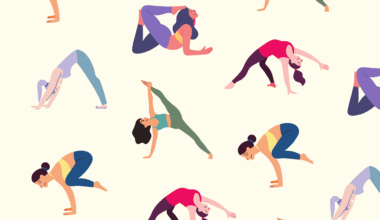
The immune system is crucial for overall health and well-being, acting as the body’s defense against illness. Stress has been shown to adversely affect this system, leading to increased susceptibility to infections. By incorporating relaxation techniques, individuals can effectively manage stress levels, ultimately enhancing immune function. Among the relaxation methods available, practices such as meditation and deep breathing exercises can be highly beneficial. These techniques help to lower blood pressure, reduce anxiety, and improve overall mental clarity. Another method worth exploring is progressive muscle relaxation, which focuses on systematically tensing and relaxing muscle groups. This practice not only alleviates tension but also promotes a sense of tranquility, helping the immune system to function optimally. Regular engagement in these techniques creates a sustainable habit that can lead to long-term stress management benefits. Such practices fortify your immune system, allowing it to perform efficiently. Moreover, a consistent routine in relaxation can enhance emotional regulation, providing a buffer against the negative impacts of stress. Incorporating yoga or tai chi into your weekly schedule, alongside these techniques, can yield positive results, contributing to a robust immune system.
To boost the immune system through relaxation, it is essential to incorporate mindfulness meditation into daily routines. Mindfulness involves paying attention to the present moment without judgment, which can significantly reduce stress levels. Studies indicate that even short sessions of mindfulness practice can lead to significant improvements in immune function, helping the body respond better to pathogens. Additionally, guided imagery, which involves visualizing calming and peaceful scenes, can further enhance relaxation. This mental imagery promotes relaxation by reducing anxiety and encouraging a state of calmness. In this relaxed state, the immune system can better prepare and respond effectively to threats. Another powerful tool is aromatherapy, where essential oils can invoke feelings of tranquility and peace. Scents like lavender or eucalyptus have been known to lower stress and foster a peaceful environment for relaxation. By adding these elements, individuals can create a multi-faceted approach to stress management, significantly benefiting their physical health. Prioritizing relaxation activities not only lessens stress but also serves to uphold the immune system’s integrity. Furthermore, journaling about daily experiences can provide an emotional release, allowing for even more profound relaxation.
The Role of Physical Activity
Regular physical activity combines physical and mental health benefits, contributing to stress reduction and boosted immune function. Engaging in exercises like aerobics, yoga, or simple walks can have profound effects on the body’s ability to manage stress. Physical activity encourages the release of endorphins, which act as natural stress relievers. This hormone also fosters an overall sense of well-being, helping the immune system function optimally. Moreover, outdoor activities enhance relaxation due to exposure to sunlight, which elevates serotonin levels. Incorporating a variety of exercises into daily routines ensures that the body remains flexible and resilient. Engaging in group sports or fitness classes serves a dual benefit, fostering social connections that also help alleviate stress. Furthermore, dancing or other rhythmic physical activities can enhance mood and promote relaxation. A consistent exercise routine, recommended at least 150 minutes per week, offers numerous health benefits, including better stress management and stronger immune response. The link between exercise and stress reduction is well established, making it essential for anyone looking to bolster their immune system through relaxation and physical fitness.
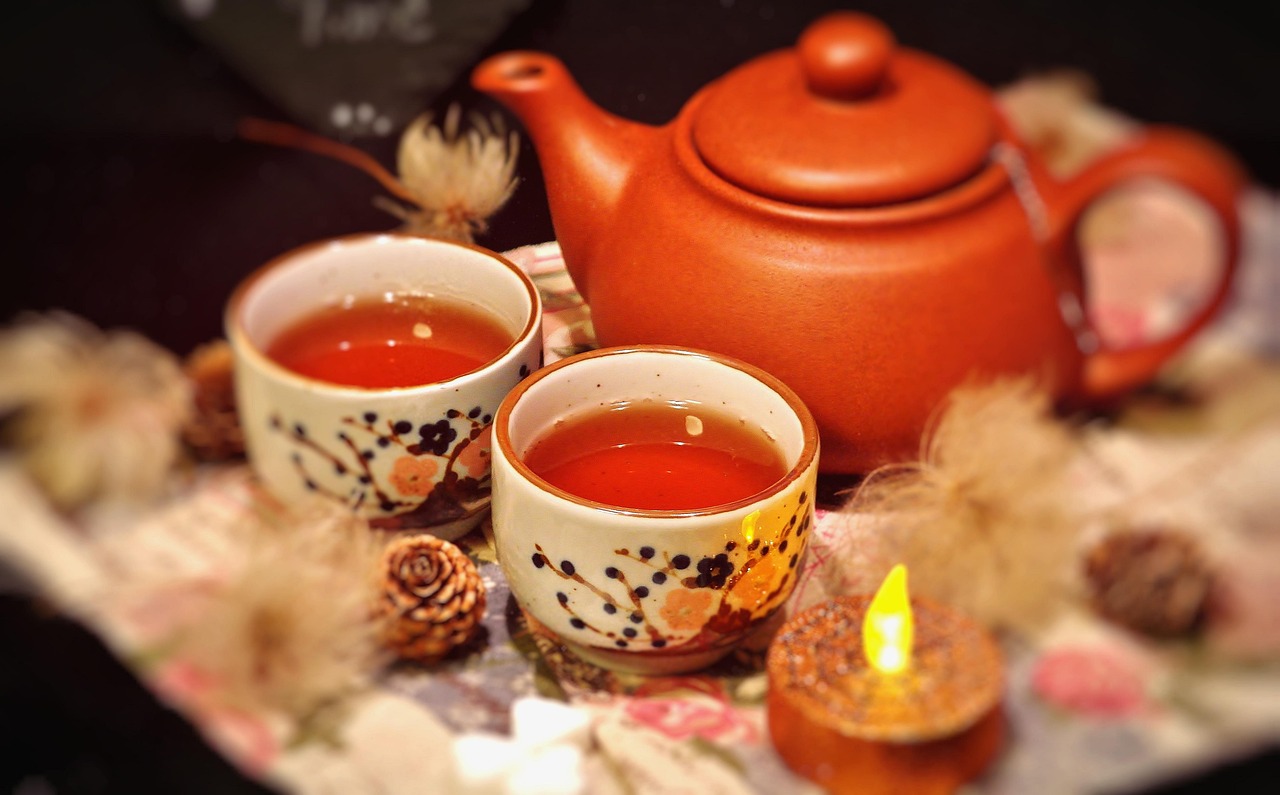
In addition to relaxation and physical exercise, nutrition plays a pivotal role in supporting immune function and managing stress. Consuming a balanced diet rich in vitamins and minerals enhances overall health and boosts immunity. Nutrients such as vitamin C, zinc, and probiotics contribute significantly to maintaining immune health. Foods like citrus fruits, nuts, seeds, and yogurt can provide essential nourishment. Moreover, staying hydrated aids in maintaining energy levels and mental clarity, thereby contributing to effective stress management. Herbal teas, such as chamomile and green tea, offer calming properties while also providing antioxidants that combat oxidative stress. Limiting processed foods and sugars is crucial, as these can negatively impact both mood and immune function. Additionally, practicing mindful eating can promote a relaxed state during meal times, transforming an everyday activity into a refreshing and restorative experience. Emphasizing healthy eating habits creates a supportive environment for relaxation and immune enhancement. Making small, practical changes to your diet can lead to significant improvements in overall health, helping individuals manage stress more effectively while bolstering their immune systems.
Sleep and Stress Management
Sleep is vital for physical and mental health and directly impacts immune function and stress levels. Getting sufficient quality sleep strengthens the immune system and helps the body recover from daily stresses. It’s essential to establish a regular sleep schedule, aiming for seven to nine hours per night. Sleep hygiene practices, such as maintaining a quiet, dark, and cool sleeping environment, can promote better sleep quality. Avoiding screens before bedtime can also be beneficial, as blue light disrupts the body’s natural ability to wind down. Individuals can enhance their sleep routine by incorporating relaxation techniques before going to bed, such as deep breathing exercises or gentle stretches. A calm bedtime routine can signal the body that it’s time to rest, helping to alleviate stress and anxiety. Complementing these methods with consistent sleep patterns significantly improves your overall health and supports a balanced immune response. Furthermore, the benefits of quality sleep extend beyond night’s rest, boosting daytime alertness and mood. Creating a sanctuary for restful sleep can be a game-changer in stress reduction and enhancing immune function.
To achieve a comprehensive stress management approach, social connections and emotional support are invaluable. Building and maintaining strong relationships can serve as a buffer against stress. Engaging in community activities or connecting with friends can significantly improve mood and provide emotional stability. Sharing experiences and feelings with trusted individuals fosters a sense of belonging and security. Moreover, participating in support groups centered around stress management can offer valuable insights and encouragement. These connections not only alleviate feelings of isolation but also create opportunities for shared relaxation experiences. Together, individuals can learn new relaxation techniques, enhance their social networks, and ultimately promote better stress management strategies. Volunteering in community service can also provide a sense of purpose, further enhancing emotional health. Additionally, fostering positive relationships enriches life and encourages relaxation. Maintaining an open dialogue about stress within social circles can promote awareness and understanding, ultimately supporting one another in stress reduction efforts. In turn, this stronger community connection fortifies individual immune systems, demonstrating the link between social engagement, relaxation, and overall well-being.
Conclusion: Integrating Stress Management and Relaxation
Integrating relaxation techniques into daily life is essential for managing stress and enhancing immune function. The multifaceted approach discussed throughout this article highlights various methods, from mindfulness and physical activity to nutrition, sleep, and social connections. Embracing these practices encourages individuals to prioritize their well-being actively. By reducing stress, the body can allocate resources to maintain a robust immune system, leading to improved health outcomes. It is crucial to remember that managing stress is not a one-size-fits-all approach; individuals should find what techniques resonate with them personally. Incorporating relaxation practices does not have to be a daunting commitment; even small changes over time can lead to significant improvements. Building a routine that includes a variety of stress management strategies ensures comprehensive support for both mental and physical health. Moreover, encouraging friends and family to join in these practices promotes both accountability and shared experiences. Ultimately, pursuing relaxation offers a path to improved health, resilience, and well-being. Take the first step today, and explore which relaxation techniques best suit your lifestyle and needs.
Integrating relaxation techniques into daily life is essential for managing stress and enhancing immune function. The multifaceted approach discussed throughout this article highlights various methods, from mindfulness and physical activity to nutrition, sleep, and social connections. Embracing these practices encourages individuals to prioritize their well-being actively. By reducing stress, the body can allocate resources to maintain a robust immune system, leading to improved health outcomes. It is crucial to remember that managing stress is not a one-size-fits-all approach; individuals should find what techniques resonate with them personally. Incorporating relaxation practices does not have to be a daunting commitment; even small changes over time can lead to significant improvements. Building a routine that includes a variety of stress management strategies ensures comprehensive support for both mental and physical health. Moreover, encouraging friends and family to join in these practices promotes both accountability and shared experiences. Ultimately, pursuing relaxation offers a path to improved health, resilience, and well-being. Take the first step today, and explore which relaxation techniques best suit your lifestyle and needs.