
Finding the Right Group Fitness Class for Your Adaptive Fitness Needs
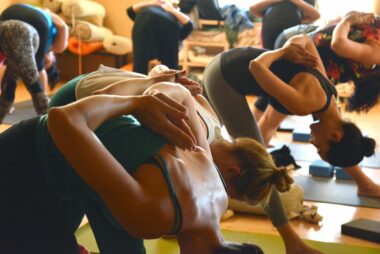
When contemplating participation in group fitness classes tailored for adaptive fitness, many individuals face unique challenges that must be addressed. It is crucial to find a class that not only accommodates varying physical abilities but also fosters an environment encouraging growth and community. Look for classes taught by qualified instructors with experience in adaptive fitness needs. These instructors are often better equipped to modify exercises, ensuring every participant enjoys a safe, encouraging workout. Moreover, establishing a rapport with fellow participants can lead to valuable social interactions and connections. When searching for the right class, consider the group size; smaller classes might allow for more personalized attention. Review the curriculum and approach the instructors take in promoting motivation and engagement. Initially trial classes are often available, presenting an excellent opportunity to gauge compatibility. Remember to focus on what brings you joy; the right class can significantly influence your commitment and enjoyment of exercise, greatly enhancing your overall fitness experience.
Consider also the different types of group classes available for adaptive fitness. These can range from strength training to yoga, dance, or aqua therapy. Each type of class will cater to different needs and preferences, enabling you to find something that suits your unique abilities. Research the types of adaptive modifications offered in various classes. Some programs may provide specialized equipment, such as resistance bands, stability chairs, or therapy balls. Others may emphasize low-impact activities, making them easier to navigate for those with limited mobility or other disabilities. Make sure to also check if the classes follow an inclusive model, creating an atmosphere that promotes participation regardless of ability. It is especially important to establish an open line of communication with instructors and participants. Express any concerns you might have or adaptations necessary for your success. A supportive atmosphere can help break down barriers and boost confidence. Online reviews or testimonials can help guide your search, as you gain insight from the experiences of others who have attended similar sessions.
Understanding Class Structure and Environment
Understanding the structure of the classes you are considering can also impact your experience. Most group classes typically last around 45-60 minutes, with warm-ups, the main workout, and a cooldown component. Inquire if the instructor allows for flexibility within the structure; important for accommodating varying paces. Additionally, ask about the environment of the class; does it promote a positive and inclusive atmosphere? A supportive environment can make a significant difference in motivation and overall enjoyment. Check to see if the class has a specific focus, such as building endurance, strength, mobility, or flexibility. Some instructors emphasize a holistic approach, integrating aspects of mental wellness, emotional balance, and social interaction into fitness. Together, these elements create a well-rounded experience. You may also want to consider finding local groups or organizations that specialize in fitness for individuals with disabilities. Often, they have insights on adaptive training methods and can connect you with suitable classes. An informed choice leads to enhanced participation in your fitness journey.
Additionally, you should consider your personal fitness goals when selecting a class. Are you looking to improve physical health, enhance social connections, or simply diversify your fitness routine? Identifying these goals can help you shortlist suitable classes. For example, if social interaction is important, group classes that encourage teamwork might be most beneficial. Create a list of your primary objectives and needs when evaluating various programs. It can be quite helpful to talk to instructors about your personal goals before enrolling in their classes. They can assist you in selecting workouts tailored specifically for you, facilitating your progress. Moreover, find groups promoting an inclusive philosophy and welcoming participants of varying abilities. This can greatly enhance your experience as you steer through exercises together as a community. Reach out to peers for recommendations; students who have undergone similar paths might provide first-hand insights into options that benefited them. Remember, the best adaptive fitness class will not only challenge you physically but will also be supportive and fun.
Seeking Professional Support and Guidance
Consider reaching out for professional support and guidance as you explore options. Engaging with a certified trainer specializing in adaptive fitness can make a world of difference. These professionals often have specialized knowledge about exercise modifications, ensuring your safety and effectiveness. Personal trainers may provide one-on-one sessions that focus on your needs before integrating facility-based group classes. They can assess your physical abilities, develop tailored workout plans, and monitor progression. Moreover, try to incorporate feedback from your trainers into your class selection process. They may suggest classes or instructors that align best with your goals. Most importantly, trainers can help you develop a better understanding of your body, how it responds to various workouts, and what adaptations are necessary. Attending workshops or sessions offered by local disability support organizations can broaden your understanding of available resources. Education plays a vital role in informing your experience in any fitness-related environment. With the right guidance, you can confidently transition into group fitness classes focused on adaptive needs.
Finding motivation can sometimes be a challenge, yet group fitness classes can serve as an excellent solution. It is known that being part of a group encourages adherence to fitness routines. The camaraderie and shared goals found within these environments can fuel consistency and motivation. Seek classes where instructors foster a sense of community rather than competition. Look for those embracing participation versus performance, making the journey enjoyable. Effective classes often celebrate achievements collectively, encouraging participants to support one another. Evaluate peer testimonies to ascertain if similar sentiments are prevalent among class participants. Participation rates also provide insight; larger, well-attended classes generally indicate positive experiences. Be aware that each class may differ in approach and philosophy, so don’t hesitate to visit several options before making a commitment. Remember to give yourself grace as you explore, understanding that this journey is uniquely yours. Allow your feelings to guide your decisions on class selections; if something feels right, follow that intuition. Ultimately, developing a supportive network can significantly impact your endurance and success in adaptive fitness endeavors.
Conclusion and Next Steps
In conclusion, when searching for the right group fitness class for your adaptive fitness needs, take a strategic approach. Prioritize accessibility, community, and a supportive environment. Focus on personal goals, engage with instructors, and attend classes meeting your desired qualifications. Research the different options regarding class structure, type, and instructor background; each piece of information is crucial in making an informed decision. Do not hesitate to seek professional guidance, enhancing your adaptation as you start or continue your fitness journey. Communicate your needs openly and explore various classes until you find the best fit, all while fostering connections within your group. Group fitness classes should empower you, promoting a positive mindset alongside shared experiences. Create a list of all suitable classes in your area, noting their strengths and weaknesses. Consider attending trial sessions before final commitments, allowing you to gauge compatibility better. Remember that your fitness journey is personal and can flourish in the right environment with the appropriate support. With the right mindset and resources, you can achieve a successful and fulfilling adaptive fitness experience.
Lastly, ensure to evaluate your experience after attending classes for some time. Reflect on your progress and overall enjoyment; adjustments may be necessary if you feel dissatisfied. Tracking your personal growth provides valuable insights into your evolving needs. Connecting with instructors and fellow participants regularly will help you maintain motivation. They can offer encouragement and celebrate your achievements, helping foster a sense of belonging. Adaptive fitness is not merely about physical capacities, but overall well-being and community. As you journey forward, consider volunteering at adaptive sports organizations or fitness programs, sharing your insights and experiences. Your unique perspective can help bring awareness and improve resources for others experiencing similar situations. Building relationships within these networks can lead to new friendships and alliances. With dedication and the right group, your adaptive fitness journey can be a transformative experience. Your efforts and commitment can inspire others to pursue their goals too. By embracing your unique path, you will contribute meaningfully to the broader conversations around adaptive fitness and wellness for everyone.