
Pelvic Floor Rehabilitation: Tips for New Mothers
After childbirth, many women experience a variety of physical changes, and one of the most critical areas needing attention is the pelvic floor. The pelvic floor supports important organs and maintains urinary, bowel, and sexual functions. However, during pregnancy and delivery, this area may weaken significantly. Hence, pelvic floor rehabilitation becomes vital for new mothers, allowing them to strengthen the muscles that support these functions. It’s essential to start pelvic floor exercises at an appropriate time post-delivery; consult your healthcare provider for guidelines tailored to your recovery. Additionally, be patient with yourself as your body adjusts and heals. Utilize resources such as specialized physiotherapists who focus on postpartum recovery for optimal support. They can teach techniques that strengthen these muscles effectively and safely. Incorporate gentle exercises into your daily routine as they promote recovery without straining your body too much. Similarly, consider adopting good bladder and bowel habits to support the healing process. In this journey, remember to celebrate small victories, as every strengthening exercise contributes significantly to your overall well-being.
Understanding Pelvic Floor Exercises
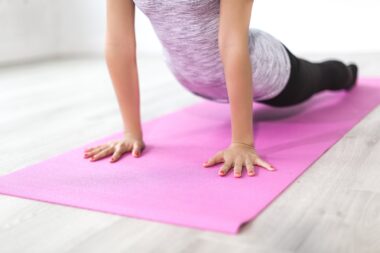
Pelvic floor exercises, often known as Kegel exercises, are specifically designed to strengthen the pelvic floor muscles. New mothers can perform these exercises easily during daily activities or even while sitting. The basic technique involves identifying the pelvic floor muscles, which can be located by trying to stop urination mid-stream. Once you have identified them, squeeze and hold for a few seconds before releasing. Aim for ten repetitions at a time, and gradually increase the hold duration and repetitions as your strength improves. Remember the importance of breathing; avoid holding your breath while exercising. To enhance your routine, consider using a stability ball or a yoga mat to perform variations of these exercises, adding extra challenges as you progress. Consistency is key; try to integrate pelvic floor exercises into your daily routine. Additionally, consider joining a group class or online sessions focused on postpartum fitness for community support. It can be motivating and beneficial to share experiences with other new mothers dealing with similar challenges. Always listen to your body and modify the exercises as needed, ensuring comfort and safety at every stage.
Many new mothers overlook the importance of pelvic health, yet it can profoundly affect their overall well-being. Understanding the anatomy behind the pelvic floor can encourage new mothers to prioritize this area. This collection of muscles and tissues is responsible for functions involving urinary control, bowel control, and sexual health. Pregnancy and labor significantly stress these muscles, leading to various issues like incontinence or pelvic pain if not addressed. Awareness of potential problems is crucial; many women may experience these difficulties silently after childbirth. As a new mother, it’s important to share your concerns with your healthcare provider, who can offer tailored treatments or refer you to a specialist. They can guide you through customized pelvic floor rehabilitation programs that effectively address your needs. Additionally, consider exploring pelvic health resources available in your community, such as workshops and support groups. Building connections with other mothers can provide encouragement and motivation as you navigate this journey. Your health and recovery should be a priority, and engaging in pelvic floor exercises is a proactive step towards reclaiming your strength and confidence.
Signs You Need to Strengthen Your Pelvic Floor
Recognizing when to engage in pelvic floor exercises is essential for new mothers. Common signs indicating a need for pelvic floor rehabilitation include experiencing urinary leakage during activities, such as coughing, sneezing, or exercising. These symptoms often arise postpartum due to weakened muscles. Additionally, if you face challenges with bowel control or notice a sensation of heaviness or pressure in your pelvic region, it’s time to address your pelvic health. Pain during sexual intercourse is another significant indicator that pelvic floor muscles may be too tight or weak, necessitating professional assessment. Moreover, changes in posture or back pain could indicate pelvic floor issues. If any of these symptoms resonate with you, consulting with a healthcare provider specializing in pelvic health is advised. They can conduct thorough assessments and recommend the most effective pelvic floor exercises. Early intervention can prevent chronic issues and assist in regaining function. Connecting with other mothers experiencing similar challenges can offer emotional support and shared tips for recovery. Embracing your body and prioritizing its needs will ultimately lead to better health and well-being.
Integrating pelvic floor exercises into your daily routine can be a game-changer for postpartum recovery. Here are some practical tips to get started. First, schedule specific times each day to perform your exercises to build consistency. Mornings or before bed are ideal moments to dedicate to your pelvic health. Next, find a comfortable position, whether it’s sitting, standing, or lying down, enabling easier focus on your muscles. Visualize success; as you engage in exercises, envision the muscles strengthening. Incorporating mindfulness can make the experience more holistic, promoting relaxation and reducing stress. Additionally, consider using reminders like phone alarms to prompt exercise sessions. Seek out resources such as apps designed for postpartum workouts; many offer guided pelvic floor exercises and tracking features to monitor your progress. Join online fitness communities or groups focusing on postpartum recovery, where you can share insights and keep each other motivated. Remember to allow yourself grace and understand that healing takes time; celebrate each small milestone along the way. Prioritizing these exercises now will yield long-term benefits for your pelvic health and overall quality of life.
Conclusion and Next Steps
As you embark on your journey to recover pelvic floor strength, stay informed and proactive about your health. Continuous learning about pelvic health can empower you to make better choices in your recovery. Engage with your healthcare provider and ask questions about any concerns you may recognize. Having open and candid conversations surrounding the difficulties of postpartum recovery can create a supportive environment. Consider creating a personal action plan, detailing when and how often you intend to practice your pelvic floor exercises. Remember to acknowledge your body’s signals and respect any limitations as you progress through rehabilitation. Gradually increase the difficulty and variety of exercises as you gain confidence and strength. If you encounter persistent challenges, do not hesitate to seek help. There are numerous resources, from books to online courses, dedicated to motherhood and pelvic health that can provide valuable insights. Surround yourself with a supportive community of fellow mothers who share similar struggles and triumphs in their postpartum journeys. Your decision to focus on pelvic floor health will contribute significantly to a fulfilling and active motherhood experience.
Finally, take time to reflect on the transformative journey of motherhood, recognizing the incredible changes your body experiences. Fostering a positive mindset during this phase is essential, as it influences how you cope with challenges such as pelvic floor rehabilitation. Surrounding yourself with encouraging friends and family can have a substantial impact on your recovery process. Incorporate moments of self-care and relaxation into your routine to recharge and nurture your well-being. Embrace the journey with patience, and understand that every woman’s experience is unique. Share your progress and challenges with others; this openness fosters connection and encouragement. Use social media platforms or local community resources to find support groups that cater to postpartum health. Regularly check in with your healthcare provider, and consider attending workshops focused on pelvic floor health. Education is a vital part of your recovery. Reaffirm your commitment to pelvic floor exercises; consistent practice will lead to long-term improvements in strength and comfort. Celebrate your achievements, no matter how small, as each contributes to broader health goals.
Additional Resources
For new mothers seeking further information and support on pelvic floor rehabilitation, several excellent resources can enhance your knowledge and practice. Websites like the International Pelvic Pain Society offer a wealth of information on pelvic health, including tips tailored to postpartum recovery, exercise guidelines, and workshops. Local health programs frequently host classes and seminars focusing on pregnancy and postpartum health. Also, consider reading books dedicated to pelvic health, such as ‘The Woman’s Guide to Pelvic Health’ or ‘Kegel Camp,’ which provide practical tips and exercises for recovery. Additionally, seek out online platforms such as forums and social media groups, where mothers connect, share stories, and provide emotional support for one another. Online resources such as articles or videos can serve to illustrate the exercises and techniques recommended, allowing for better comprehension. If possible, find a local pelvic floor physical therapist for personalized guidance and care tailored to your needs. This specialized support can make a significant difference in your recovery journey, addressing concerns and enhancing your comfort for the long term.